

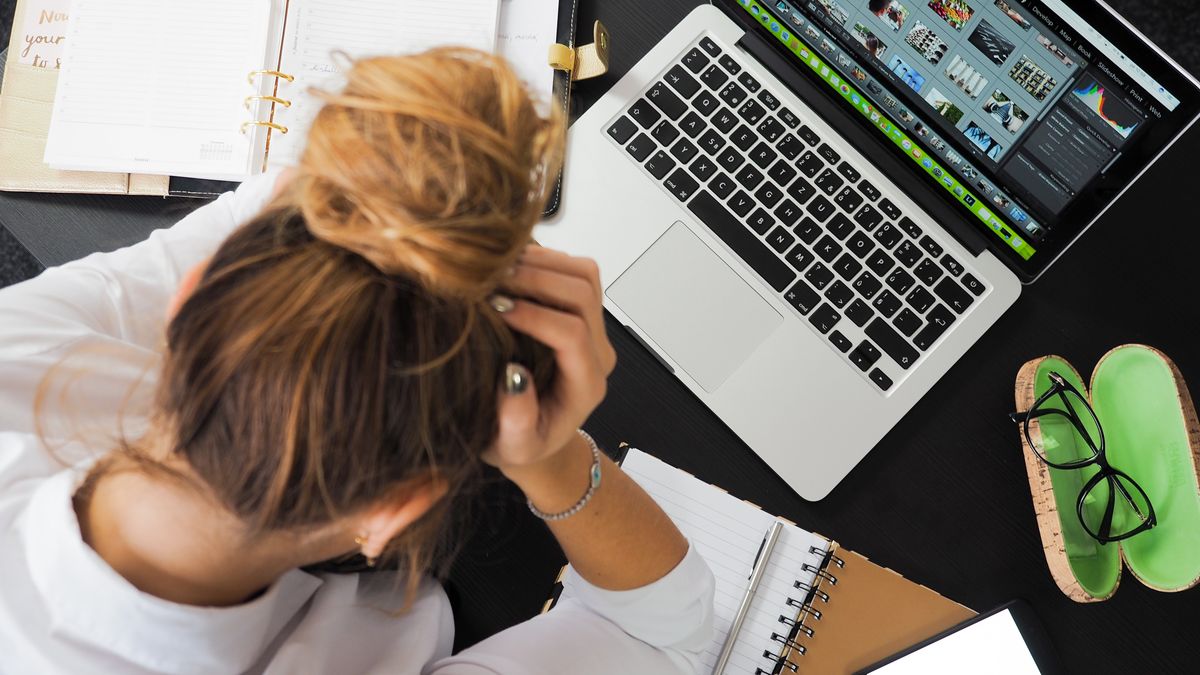
Do you find yourself scrolling through Instagram for hours without realizing it? Maybe you pick up your phone to check one notification and suddenly thirty minutes have passed. If this sounds familiar, you might be dealing with Instagram addiction.
Instagram is designed to keep you engaged. The colorful photos, short videos, and constant stream of new content make it hard to put down. While enjoying social media is perfectly normal, there comes a point when casual use turns into something more concerning. When Instagram starts affecting your daily life, relationships, or mental health, it might be time to take a closer look at your habits.
The good news is that recognizing the problem is the first step toward change. In this article, we will explore five clear signs that you might have an Instagram addiction and share practical steps you can take to build healthier habits starting today.
What Is Instagram Addiction?
Instagram addiction refers to a compulsive need to use the app that interferes with your daily life. It goes beyond simply enjoying the platform. When you feel unable to stop checking Instagram even when you want to, or when your use causes problems in other areas of your life, that crosses into addictive territory.
Understanding social media addiction helps explain why this happens. Like other behavioral addictions, Instagram use can trigger dopamine releases in your brain. Every like, comment, and new follower gives you a small reward that makes you want to come back for more. Over time, your brain starts craving these rewards, making it harder to step away.
Instagram’s design plays a big role in this. The app uses an infinite feed design that removes natural stopping points. Unlike reading a book where chapters end or watching a TV show with credits, Instagram’s feed never runs out. You can scroll forever, and the algorithm keeps serving content it thinks you will like. This makes it incredibly easy to lose track of time and keep scrolling long past when you intended to stop.
The platform also uses notifications strategically. It might alert you when someone you have not heard from in a while posts something, or when a post is getting lots of engagement. These notifications pull you back into the app repeatedly throughout the day, reinforcing the habit of constant checking.
That growing pattern of compulsive use isn’t just a personal concern anymore. It’s become a legal one. Families and state attorneys general across the country have filed claims arguing that Instagram’s design features were built to hook younger users and that Meta knew about the mental health risks long before acting on them. You can explore how these behaviors connect to the broader Instagram lawsuit movement, which frames the same addictive patterns discussed here as evidence of corporate negligence rather than simple user habit.
Sign 1: You Check Instagram First Thing in the Morning

Think about what you do in the first few minutes after waking up. If reaching for your phone to check Instagram is one of your first actions, this could be a warning sign. Many people have developed this habit without even realizing it.
Checking Instagram before getting out of bed, brushing your teeth, or even saying good morning to family members suggests that the app has become a priority in your life. Your brain has learned to expect that morning dopamine hit from seeing new notifications, likes, and posts. Understanding mobile device usage patterns reveals just how common this behavior has become.
This habit sets a problematic tone for the rest of your day. Instead of starting with intention and focus, you begin by passively consuming content. You might see something that makes you feel jealous, anxious, or inadequate before you have even had breakfast. This can affect your mood for hours.
Morning Instagram checking also trains your brain to seek external stimulation immediately upon waking. Over time, this makes it harder to be present with your own thoughts or to start your day with activities that actually benefit you, like stretching, meditating, or planning your tasks.
A helpful test is to notice how you feel when you try not to check Instagram in the morning. If you feel restless, anxious, or keep thinking about what you might be missing, that reaction itself is telling. Healthy habits do not create distress when you skip them.
Sign 2: You Feel Anxious When You Cannot Access Instagram
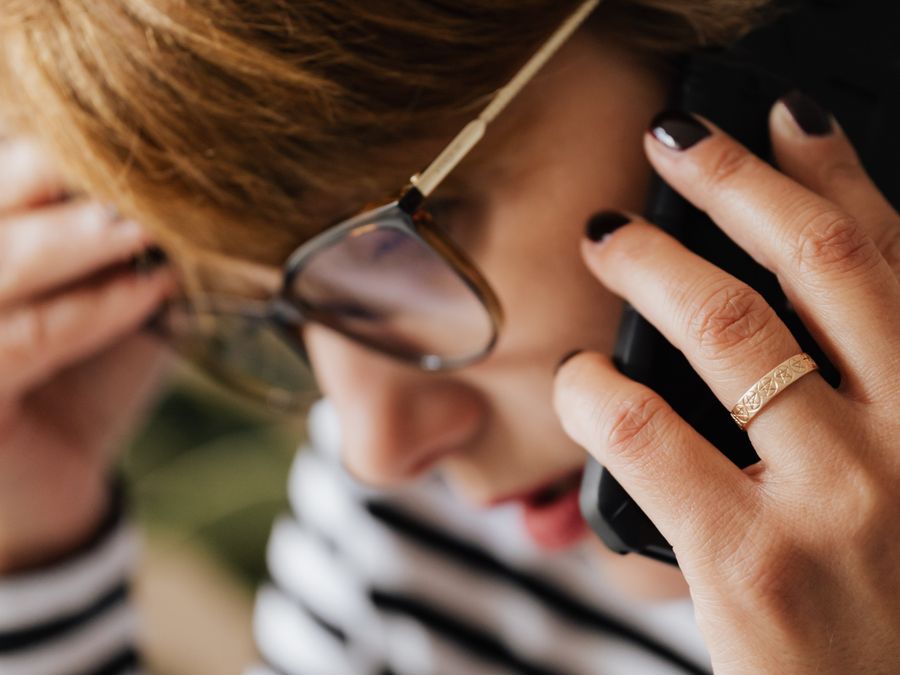
Imagine your phone dies and you cannot charge it for several hours. Or picture being somewhere with no internet connection. How does that make you feel? If the thought of being unable to access Instagram causes genuine anxiety or discomfort, this is a significant sign of dependency.
This anxiety often shows up in specific ways. You might feel restless and unable to focus on other activities. You might worry about missing important updates or feel disconnected from your social circle. Some people experience physical symptoms like increased heart rate or difficulty relaxing. The anxiety about Instagram notifications can become overwhelming when you cannot check them.
This reaction happens because your brain has come to rely on Instagram for emotional regulation. When you feel bored, lonely, or uncomfortable, you have trained yourself to reach for the app. Without that option, you are left with feelings you have not learned to manage in other ways.
Fear of missing out, commonly called FOMO, plays a major role here. You might worry that everyone else is seeing exciting content, participating in conversations, or having experiences that you are excluded from. This fear is often irrational, but it feels very real in the moment.
Healthy social media use does not create distress when you step away. If you can enjoy Instagram when you use it but also feel perfectly fine without it, that suggests a balanced relationship with the platform. Anxiety about access suggests something deeper is going on.
Sign 3: You Lose Track of Time While Scrolling
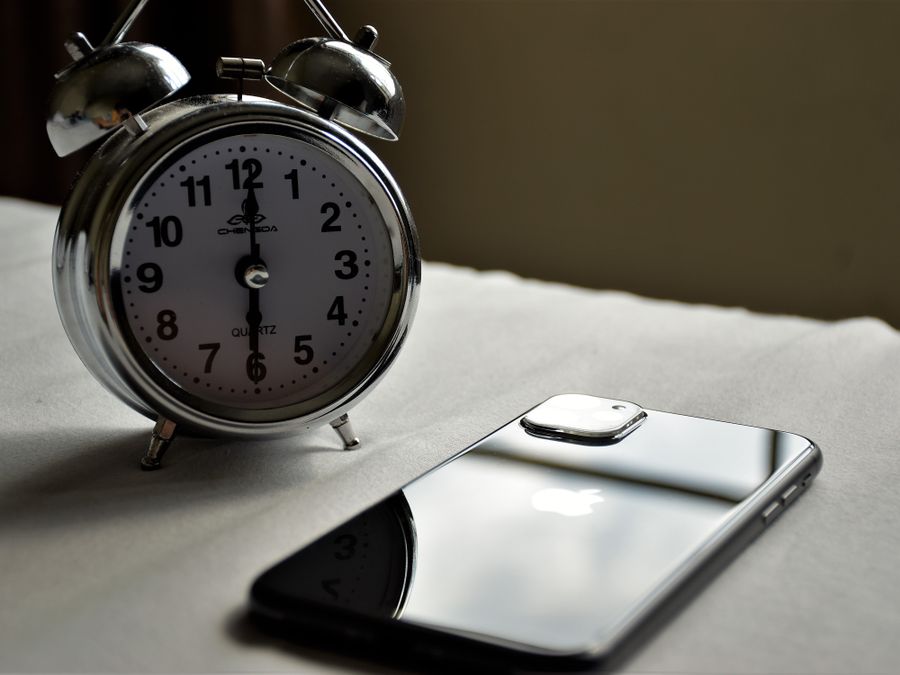
Have you ever opened Instagram to check one thing and suddenly realized an hour has passed? This experience of losing time is one of the clearest signs of problematic use. When scrolling becomes so absorbing that you lose awareness of time, responsibilities, and your surroundings, the app has too much control over your attention.
This happens because Instagram is designed to capture and hold your focus. The content is varied and unpredictable, which keeps your brain engaged. You never know if the next post will be something amazing, so you keep scrolling to find out. Engaging with private Instagram communities and exclusive content can make this even more compelling, as you feel you might miss something special if you stop.
The consequences of losing time to Instagram can be serious. You might miss deadlines at work or school. You might stay up too late and not get enough sleep. You might neglect household tasks, exercise, or other responsibilities. Over time, these small losses add up to significant impacts on your life.
Time loss also affects your sense of accomplishment. At the end of a day spent scrolling, you often feel empty rather than fulfilled. You have consumed a lot of content but have not created anything, learned anything meaningful, or made progress on your goals. This can lead to feelings of guilt and frustration.
Paying attention to how often this happens and how much time you actually spend on Instagram is important. Many people are shocked when they check their screen time statistics and see the real numbers. What feels like a few minutes here and there often adds up to hours each day.
Sign 4: Instagram Affects Your Mood and Self-Esteem
Social media platforms like Instagram show a curated version of life. People share their best moments, most flattering photos, and greatest achievements. When you spend a lot of time viewing this highlight reel, it is easy to start comparing yourself unfavorably to others.
If you notice that using Instagram regularly makes you feel worse about yourself, your life, your appearance, or your accomplishments, this is a serious warning sign. You might feel inadequate after seeing someone’s vacation photos. You might feel unattractive after scrolling through fitness influencers. You might feel unsuccessful after seeing peers announce promotions or achievements.
These comparisons are unfair to yourself. You are comparing your everyday reality to everyone else’s carefully selected best moments. But knowing this logically does not always stop the emotional impact. The more time you spend on Instagram, the more opportunities you have for these harmful comparisons.
Focusing on building genuine online communities can help counter this effect. When you connect with people authentically rather than just viewing their polished content, you get a more realistic picture of their lives. Real relationships involve sharing struggles as well as successes.
Your mood after using Instagram is a useful indicator. If you consistently feel worse after scrolling than you did before, that is important information. Healthy activities generally leave you feeling neutral or better, not drained and dissatisfied.
Sign 5: You Neglect Real-Life Relationships and Activities
Perhaps the most concerning sign of Instagram addiction is when it starts replacing real-life experiences. If you find yourself choosing Instagram over spending time with friends and family, pursuing hobbies, or engaging in activities you used to enjoy, the app has become too central to your life.
This might look like scrolling through your phone during dinner with loved ones. It might mean skipping social events because you would rather stay home and browse Instagram. It might involve losing interest in hobbies because they seem less immediately rewarding than the constant stimulation of the app.
People who are managing multiple social accounts may find this problem intensified. The need to check and maintain several profiles can make compulsive behavior even worse, as there is always another account that needs attention.
Real-life relationships require effort and presence that Instagram does not demand. Having a conversation with a friend means actively listening and responding. Pursuing a hobby means accepting that progress takes time and practice. These activities are more challenging than passive scrolling, but they are also more rewarding in the long run.
When Instagram replaces these experiences, you miss out on the deeper satisfaction they provide. You might have thousands of followers but feel lonely. You might see amazing content but never create anything yourself. The app gives you the illusion of connection and activity without the substance.
Notice if people in your life have commented on your phone use. If friends or family members have expressed concern or frustration about how much time you spend on Instagram, take their feedback seriously. They can often see patterns that you cannot see yourself.
How to Build Healthier Instagram Habits
Recognizing that you have a problem with Instagram is the first step. The next step is taking action to change your relationship with the app. Here are practical strategies that can help you regain control.
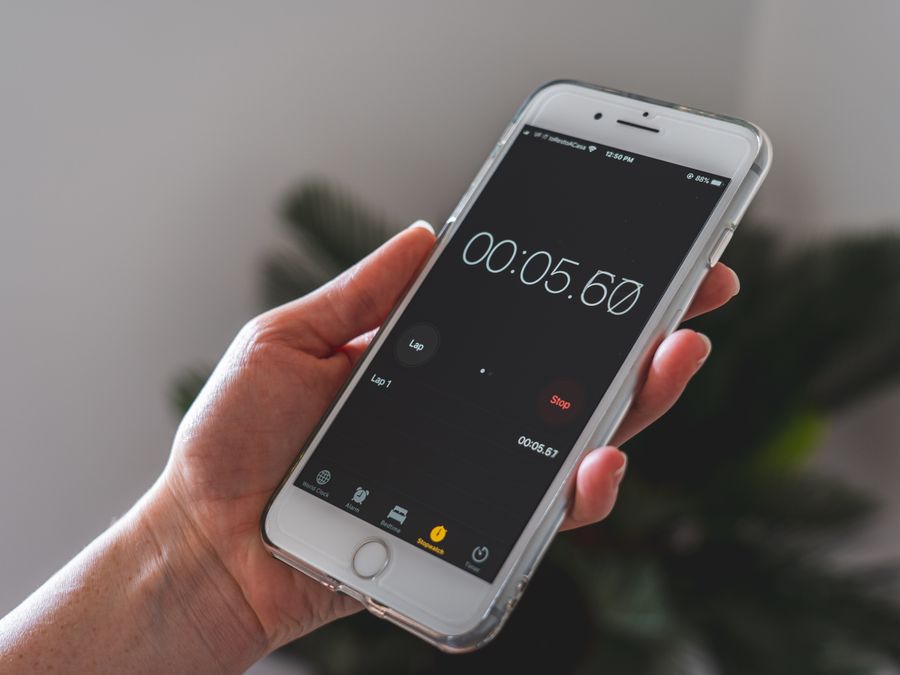
Start by setting specific time limits for Instagram use. Decide in advance how much time you want to spend on the app each day, and stick to that limit. iPhone users can use Screen Time to set app limits that will remind you when you have reached your daily allowance. Android users can take advantage of Digital Wellbeing features to monitor and control their usage.
Create phone-free zones and times in your life. Keep your phone out of the bedroom so you are not tempted to check Instagram first thing in the morning or last thing at night. Designate meal times as phone-free to be more present with family or to simply enjoy your food without distraction.
Turn off notifications for Instagram. Without constant alerts pulling you back to the app, you can check it on your own schedule rather than reacting to every ping. You will find that most notifications are not actually urgent or important.
Replace scrolling time with other activities. If you usually reach for Instagram when you are bored, have alternatives ready. Keep a book nearby, start a simple hobby, or go for a walk. Learning about productive social media strategies can also help you shift from mindless consumption to purposeful use.
Curate your feed intentionally. Unfollow accounts that make you feel bad about yourself and follow ones that inspire or educate you. Seeking out financial wellness content on Instagram is one example of using the platform for personal growth rather than endless entertainment.
Consider taking periodic breaks from Instagram. A day, a weekend, or even a week away from the app can help reset your habits and show you that life goes on perfectly well without constant checking. Many people find these breaks refreshing and eye-opening.
Be patient with yourself. Changing ingrained habits takes time. You might slip up and spend more time on Instagram than you intended. That is normal. What matters is that you keep trying and gradually build healthier patterns.
When Instagram Use Becomes Work
It is important to distinguish between addictive behavior and legitimate professional use of Instagram. For many people, Instagram is not just a social platform but a genuine work tool. Content creators, small business owners, marketers, and influencers may need to spend significant time on the app as part of their jobs.
If you use Instagram as a career platform, your relationship with the app will naturally look different from casual users. You might need to post regularly, engage with followers, analyze performance, and stay current with trends. This is not addiction; it is work.
However, even professional users can develop unhealthy habits. The key is to separate work time from personal time. When you are working on Instagram, be intentional and focused. When you are not working, set boundaries so that the app does not consume your personal life too.
Professional users should also watch for signs that work use is bleeding into compulsive personal use. If you find yourself scrolling for entertainment long after your work tasks are done, or if you cannot stop checking even during vacations and time off, the line between professional and problematic use may have blurred.
Setting clear work hours for Instagram, using separate accounts for business and personal use, and taking regular breaks can help professional users maintain a healthy relationship with the platform while still meeting their career needs.
Where to Find More Help
If you have tried to reduce your Instagram use on your own but continue to struggle, additional resources are available. You do not have to figure this out entirely by yourself.
The Instagram Help Center offers information about the platform’s built-in tools for managing your time. Features like daily reminders and activity dashboards can help you become more aware of your usage patterns and set limits directly within the app.
For more serious concerns, consider speaking with a mental health professional. Therapists and counselors can help you understand the underlying reasons for compulsive behavior and develop personalized strategies for change. Cognitive behavioral therapy has been shown to be effective for various behavioral addictions.
Support groups, both online and in-person, can connect you with others who are working on similar challenges. Knowing that you are not alone and hearing how others have successfully changed their habits can be encouraging and informative.
Books and podcasts about digital wellness, mindfulness, and intentional living can also provide helpful perspectives and practical advice. Many people find that addressing their relationship with technology as a whole, rather than just Instagram specifically, leads to more lasting change.
Remember that seeking help is a sign of strength, not weakness. Recognizing that you need support and taking steps to get it shows that you are serious about improving your life and your relationship with technology.
