


Your website and your social media profiles are two of the most important pieces of your online presence. But here’s the thing: they work much better when they’re connected. When your website domain and social media links work together, you create a seamless experience for your audience. People can find you easily, trust your brand more quickly, and engage with your content across multiple channels.
Think about how you discover new brands or businesses. You might see a post on Instagram, click through to a website, and then follow that brand on another platform. This kind of journey happens all the time, and it only works smoothly when website and social media integration is done right. Without that connection, you risk losing potential customers who can’t find their way from one platform to another.
In this article, we’ll explore why connecting your website domain with your social media links matters so much. We’ll look at the practical benefits, the tools that make it easier, and the strategies that help you get the best results from both channels working together.
What Does Website and Social Media Integration Mean?
Website and social media integration simply means creating clear connections between your website and your social media profiles. This includes adding social media buttons to your website, linking back to your website from your social profiles, and making sure your branding stays consistent across all platforms.
Your domain name serves as the central hub for your online identity. It’s the address where people can find your main content, products, or services. Your social media profiles, on the other hand, are where you connect with people in a more casual, conversational way. When these two elements work together, they create a complete picture of who you are and what you offer.
The foundation of this integration starts with building a social media presence that reflects your website’s identity. This means using the same logo, colors, and messaging across all channels. When someone visits your Instagram profile and then clicks through to your website, they should immediately recognize that they’re in the right place.
Integration also means making it easy for people to move between your website and social profiles. Your website should have visible social media icons that link to your profiles. Your social media bios should include your website URL. This two-way connection helps people find all the ways they can interact with your brand.
Benefits of Connecting Your Website to Social Media
When your website and social media work together, you unlock several important advantages that can help your brand grow. Let’s look at the key benefits you can expect.
Increased visibility is one of the most immediate benefits. When you share content from your website on social media, you reach people who might never have found your site through search engines alone. Every share, like, and comment extends your reach to new potential customers.
Maintaining branded social media profiles that match your website creates a consistent experience that builds trust. When your visual identity stays the same across all platforms, people recognize your brand more easily. This consistency makes your business look more professional and established.
Easier audience navigation is another major benefit. When someone discovers you on social media and wants to learn more, they can quickly find your website. When someone visits your website and wants to follow you for updates, they can easily find your social profiles. This smooth navigation keeps people engaged with your brand longer.
Integration also helps you build stronger relationships with your audience. Social media allows for direct conversations and quick responses, while your website provides detailed information and resources. Together, they give people multiple ways to connect with you based on their preferences.
Finally, connected platforms give you better insights into your audience. You can see how people move between your website and social profiles, which content performs best on each platform, and where your most engaged followers come from.
How Social Media Links Drive Traffic to Your Website
Social media profiles can become powerful traffic sources for your website when you use them strategically. The key is understanding how to guide your followers from social content to your website in a natural way.
Different platforms offer different opportunities for driving traffic. Instagram allows one link in your bio plus links in Stories for accounts that qualify. Facebook lets you share links directly in posts. Twitter makes it easy to include URLs in tweets. LinkedIn is excellent for sharing professional content with links to your website.
Understanding link-building strategies for social media helps you create a traffic loop between your platforms. You share valuable content on social media that encourages people to visit your website. On your website, you encourage visitors to follow you on social media for updates. This creates a cycle where each platform feeds the other.
The content you share matters a lot. Posts that tease valuable information and encourage clicks perform better than posts that give everything away. For example, instead of sharing an entire blog post on social media, share a compelling snippet with a link to read more on your website.
Timing also plays a role in driving traffic. Sharing content when your audience is most active increases the chances that people will see and click your links. Most social platforms provide analytics that show when your followers are online.
Call-to-action phrases help guide people to your website. Simple prompts like “Learn more on our website” or “Click the link in our bio” tell people exactly what to do next.
Tools That Help You Connect Website and Social Profiles
Several tools make it easier to manage the connection between your website and social media profiles. These tools save time and help you maintain a consistent presence across all platforms.
Linktree is a popular tool that helps consolidate multiple links in one place. This is especially useful for platforms like Instagram that only allow one link in your bio. With a link-in-bio tool, you can direct followers to a landing page that includes links to your website, other social profiles, and specific content you want to promote.
Social media management platforms let you schedule posts across multiple networks from one dashboard. These tools often include features for tracking which posts drive the most traffic to your website. You can see which content resonates with your audience and adjust your strategy accordingly.
Website plugins and widgets make it easy to add social media functionality to your site. You can add share buttons that let visitors share your content on their own profiles. You can embed social media feeds directly on your website to show visitors your latest posts. You can add follow buttons that make it simple for people to connect with you on their preferred platform.
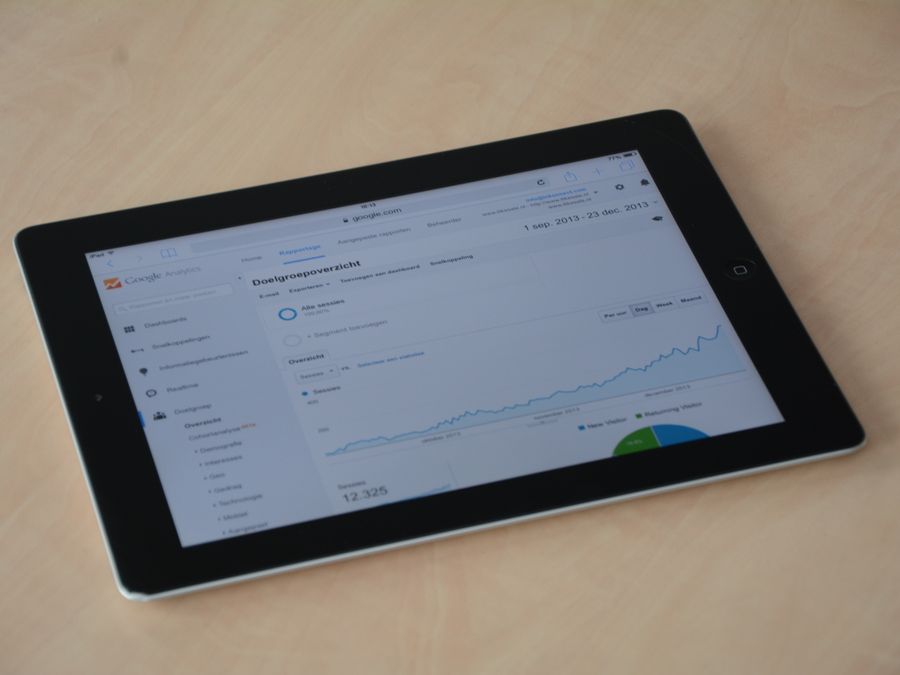
Analytics tools help you understand how traffic flows between your website and social profiles. You can track which social platforms send the most visitors, which pages they land on, and what actions they take after arriving. This information helps you focus your efforts on the channels that work best for your audience.
Email marketing tools often integrate with both websites and social media, allowing you to coordinate your messaging across all channels and track how subscribers interact with your content.
SEO Benefits of Website and Social Media Integration
Connecting your website with social media can support your search engine optimization efforts in several ways. While social media signals aren’t direct ranking factors, the indirect benefits can be significant.
When you focus on SEO implementation on your website, social media becomes a valuable distribution channel for your optimized content. Sharing your blog posts and pages on social media increases their visibility and can lead to more backlinks as people discover and reference your content.
Resources like Moz offer guidance on how social media activity can complement your overall search strategy. While likes and shares don’t directly boost rankings, the increased exposure can lead to more organic links and mentions that do help with search visibility.
Social profiles themselves often rank in search results for brand names. When someone searches for your business, they might see your website, Facebook page, Instagram profile, and LinkedIn page all on the first page of results. This gives you more opportunities to make a good first impression and control what people see about your brand.
Tools like Semrush help analyze website and social performance together, giving you a complete picture of your online presence. You can see how your content performs across different channels and identify opportunities to improve.
Consistent branding across your website and social profiles also helps search engines understand what your business is about. When your name, address, and other business information match across all platforms, it builds trust with search engines and can improve local search visibility.
Social media can also help you discover what topics your audience cares about. The questions people ask and the content they engage with on social media can inform your website content strategy, helping you create pages that answer real questions people have.
Building a Website That Works With Your Social Channels
Designing your website with social media integration in mind from the start makes everything easier. Here are some practical ways to structure your site for better connection with your social profiles.
Place social media icons in visible locations on your website. The header and footer are common spots because they appear on every page. Make sure the icons are easy to find but don’t distract from your main content or calls to action.
Add social sharing buttons to your blog posts and other shareable content. When visitors can share your content with one click, they’re more likely to do it. Position these buttons where people naturally pause while reading, such as at the beginning or end of articles.
Consider building a website that leverages Instagram if visual content is important to your brand. You can embed Instagram feeds on your homepage or create galleries that showcase your social content. This keeps your website fresh with regularly updated visuals.
Create landing pages specifically for social media traffic. When you share a link on social media, you can direct people to a page designed for that audience. These pages can have messaging that matches your social posts and clear next steps for visitors to take.
Make sure your website loads quickly on mobile devices. Most social media browsing happens on phones, so when someone clicks through to your website from a social app, they need a fast, mobile-friendly experience. Slow loading times cause people to leave before they even see your content.
Include social proof on your website by displaying testimonials, reviews, or user-generated content from social media. This shows visitors that real people engage with and trust your brand.
Cross-Channel Marketing Strategies for Better Results

Creating marketing campaigns that use both your website and social media together can produce better results than using either channel alone. Here’s how to coordinate your efforts effectively.
Start by planning campaigns that span multiple channels. If you’re launching a new product, for example, you might tease it on social media, reveal details on your website, and then use social media to drive traffic to the product page. Each channel plays a specific role in the customer journey.
Understanding cross-channel marketing integration helps you coordinate messaging across all your digital touchpoints. When your website, social media, and email marketing all work together, you create a more powerful and consistent brand experience.
Repurpose content across channels to get more value from your efforts. A blog post on your website can become multiple social media posts. A popular social media post can inspire a more detailed article on your website. This approach keeps your content consistent while adapting it for each platform’s format.
Many businesses benefit from digital PR services for businesses that help expand their reach through coordinated digital efforts. Professional guidance can help you develop strategies that make the most of both your website and social media presence.
Track results across all channels to understand what’s working. Look at how social media campaigns affect website traffic and conversions. See which website content gets shared most on social media. Use these insights to refine your approach over time.
Skills Needed to Manage Website and Social Media Together
Managing an integrated website and social media strategy requires a mix of technical and creative abilities. Here are the key skills that help you succeed.
Content creation is fundamental. You need to produce engaging content for both your website and social media profiles. This includes writing, visual design, and understanding what resonates with your audience on each platform.
Developing strong social media management skills helps you handle the day-to-day work of maintaining active profiles while also coordinating with your website strategy. This includes scheduling posts, responding to comments, and analyzing performance.
Basic technical knowledge helps you implement integration features on your website. You should understand how to add social media widgets, set up tracking codes, and troubleshoot common issues. You don’t need to be a developer, but familiarity with your website platform’s tools is valuable.
Analytics skills allow you to measure what’s working and make data-driven decisions. You should be comfortable reading reports from both your website analytics and social media insights. Understanding how to connect these data sources gives you a complete picture of your performance.
Strategic thinking helps you see the big picture and plan campaigns that use both channels effectively. This means understanding your audience’s journey, knowing when to use each platform, and aligning your efforts with business goals.
Communication skills matter because you’ll often need to explain your strategy to others, whether that’s team members, clients, or stakeholders. Being able to articulate why website and social media integration matters helps you get support for your initiatives.
Adaptability is essential because both websites and social media platforms change frequently. New features, algorithm updates, and shifting user behaviors mean you need to stay current and adjust your approach as needed.
Finally, time management helps you balance the ongoing demands of both channels. Social media requires consistent attention, while website updates might happen less frequently but require more focused effort. Finding the right rhythm for both is key to sustainable success.
Website and social media integration isn’t just a nice-to-have feature anymore. It’s become essential for building a strong online presence. When your website domain and social media links work together seamlessly, you create more opportunities to connect with your audience, build trust, and grow your brand. Start by making small improvements to how your platforms connect, and you’ll see the benefits add up over time.
