



Building a successful business today takes more than just offering great products or services. You need people to know about you, trust you, and choose you over the competition. That’s where smart marketing comes in, and one of the most effective strategies gaining momentum is digital PR services.
Unlike traditional advertising where you pay for attention, digital PR helps you earn it. When respected websites, journalists, and online publications talk about your business, it carries weight. People trust recommendations and coverage from sources they already follow. This kind of credibility is hard to buy but incredibly valuable to build.
More businesses are recognizing this shift. They’re moving beyond simple ads and investing in strategies that create lasting impressions. Digital PR services help companies get featured in online publications, build relationships with journalists, and create content that naturally attracts attention. The result is stronger brand recognition, better search visibility, and genuine trust from potential customers.
In this article, we’ll explore why digital PR has become such an important investment for growing businesses. You’ll learn how it works, what benefits it offers, and how you can start using it to strengthen your own brand presence online.
What Is Digital PR and How Does It Work?
At its core, digital PR is about getting your business mentioned and featured on websites, blogs, podcasts, and online news outlets. It combines traditional public relations tactics with modern digital marketing strategies to help brands reach wider audiences online.
Traditional PR focused heavily on print newspapers, magazines, television, and radio. While those channels still matter, digital PR shifts the focus to online publications, influential blogs, and social media platforms where most people now consume information.
Here’s how digital PR typically works in practice:
- Content creation: PR professionals develop newsworthy stories, research reports, expert commentary, or unique data that journalists and bloggers want to cover.
- Media outreach: They reach out to relevant journalists, editors, and content creators to pitch these stories and secure coverage.
- Relationship building: Over time, they develop ongoing relationships with media contacts who become reliable sources for future coverage.
- Link building: When online publications feature your business, they often include links back to your website, which helps with search engine visibility.
The key difference from traditional PR is the emphasis on digital outcomes. Every mention, feature, or interview has the potential to include a clickable link that drives traffic directly to your website. These backlinks also signal to search engines that your site is trustworthy and authoritative.
Digital PR isn’t about paying for placements or running advertisements. It’s about creating genuine value that makes journalists and publishers want to feature your business. This earned approach builds credibility in ways that paid advertising simply cannot match.
The Difference Between Earned Media and Paid Advertising
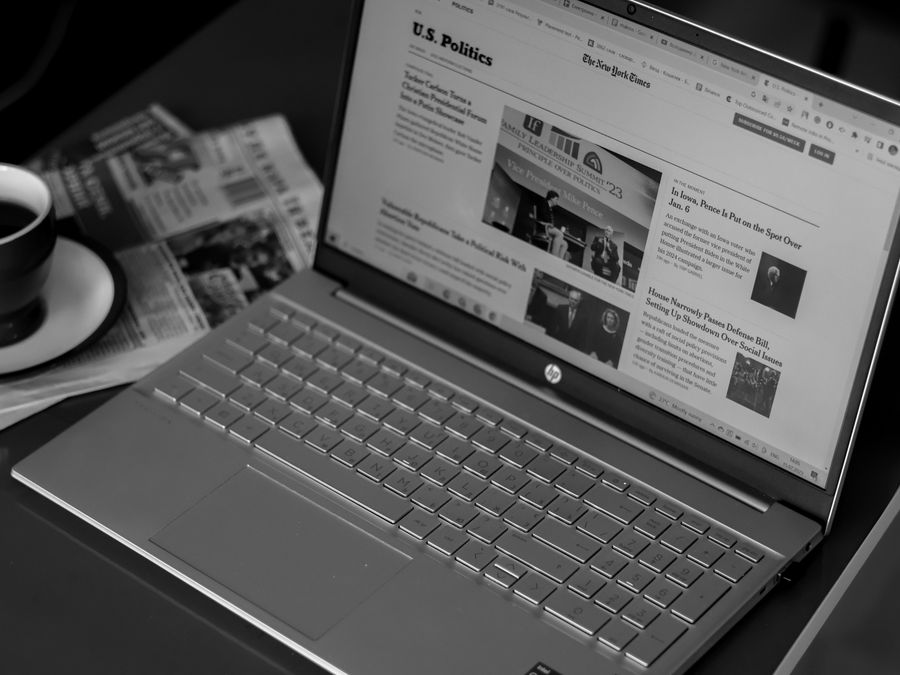
Understanding the distinction between earned media and paid advertising helps explain why digital PR has become so valuable for businesses.
Paid advertising is straightforward. You pay money to place your message in front of people. This includes social media ads, search engine ads, sponsored content, and display banners. You control the message completely, but audiences know it’s an advertisement. While paid ads can be effective, people often scroll past them or view them with skepticism.
Earned media works differently. Instead of paying for placement, you earn coverage by providing something valuable. When a journalist writes about your company, when a blogger reviews your product, or when an industry publication features your expertise, that’s earned media. You didn’t pay for the coverage directly, which makes it more trustworthy in the eyes of readers.
Think about how you react to recommendations. If a friend tells you about a great restaurant, you’re more likely to try it than if you see an ad for that same restaurant. Earned media works on the same principle. Third-party validation carries more weight than self-promotion.
The trust factor matters enormously. When potential customers see your business featured in publications they already respect, they transfer some of that trust to your brand. This kind of credibility takes time to build but creates lasting value that continues working for you long after the initial coverage.
Smart businesses invest in both paid and earned strategies, but they recognize that earned media through digital PR creates a foundation of trust that advertising alone cannot achieve.
Key Benefits of Digital PR for Business Growth

Investing in digital PR services delivers multiple advantages that compound over time. Let’s look at the main benefits businesses experience when they commit to this strategy.
Building Credibility and Trust
When respected publications feature your business, you borrow their credibility. Readers who trust those sources begin to trust you. This third-party validation is incredibly powerful for converting skeptical prospects into customers.
Increasing Online Visibility
Every piece of coverage expands your reach. New audiences discover your brand through publications they already follow. This exposure introduces your business to people who might never have found you through traditional advertising. Learning essential SEO techniques alongside your PR efforts helps maximize this visibility.
Improving Search Engine Rankings
Quality backlinks from authoritative websites tell search engines that your site deserves higher rankings. Digital PR naturally generates these valuable links as publications reference and link to your content. Over time, this improves your position in search results for relevant keywords.
Generating Referral Traffic
Links from popular websites don’t just help with search rankings. They also send direct visitors to your site. When readers click through from an interesting article, they arrive already interested in what you offer.
Supporting Long-Term Brand Building
Unlike ads that stop working when you stop paying, earned media coverage stays online. Articles featuring your business continue appearing in search results and driving traffic for months or years. This creates compounding returns on your initial investment. You can boost visibility for your business through consistent PR efforts that build momentum over time.
Creating Competitive Advantage
Businesses with strong media presence stand out from competitors who rely solely on advertising. When potential customers research options, finding positive coverage about your company influences their decision in your favor.
How Digital PR Services Build Brand Credibility
Professional Digital PR services help businesses establish themselves as trusted authorities in their industries. This credibility-building process involves several strategic approaches.
Expert Positioning
PR professionals help position company leaders as experts in their fields. They secure opportunities for executives to contribute articles, provide quotes for news stories, and participate in industry discussions. When your CEO is regularly quoted in trade publications, it elevates your entire company’s reputation.
Thought Leadership Content
Creating valuable content that demonstrates expertise attracts media attention naturally. This might include original research, industry analysis, or practical guides that journalists reference in their own reporting. Incorporating visual storytelling on social media can amplify these thought leadership efforts and make your content more shareable.
Media Relationship Management
Experienced PR teams maintain relationships with journalists and editors across relevant publications. These connections make it easier to secure coverage when you have newsworthy announcements or valuable insights to share.
Crisis Communication Support
When problems arise, having established media relationships and a positive reputation provides protection. Journalists who already know and trust your brand are more likely to give you fair coverage during challenging situations.
Consistent Brand Messaging
Professional PR services ensure your brand message stays consistent across all media coverage. This consistency reinforces your positioning and helps audiences understand exactly what your company stands for.
Building credibility takes time and sustained effort. Quick wins are possible, but the real value comes from consistent presence in relevant media over months and years. Each piece of coverage adds to your reputation and makes future coverage easier to secure.
Connecting Digital PR With Your Social Media Strategy
Digital PR and social media work together to amplify your brand message. When these strategies align, they create powerful synergies that neither could achieve alone.
Media coverage gives you valuable content to share on social platforms. When a respected publication features your business, sharing that coverage with your followers extends its reach and reinforces your credibility. Your audience sees that others recognize your expertise, which strengthens their trust in your brand. Developing a solid social media strategy for brands helps you maximize the impact of your PR wins.
Social media also supports PR efforts by building your audience and demonstrating engagement. Journalists often check a company’s social presence before deciding whether to cover them. An active, engaged social following signals that your brand matters to people and that coverage will reach interested readers.
Here are practical ways to connect these strategies:
- Share media coverage: Post links to articles featuring your business with commentary that adds value for your followers.
- Engage with journalists: Follow and interact with reporters who cover your industry on social platforms.
- Amplify PR content: Turn press releases and media pitches into social content that reaches your existing audience.
- Monitor conversations: Track social discussions about your brand and industry to identify PR opportunities.
Different industries approach this integration in various ways. Looking at social media strategies for business success across different sectors reveals how companies adapt these principles to their specific audiences and goals.
The key is treating PR and social media as complementary rather than separate efforts. When your teams coordinate, every piece of coverage works harder and reaches more people.
Tools That Support Digital PR Campaigns
Running effective digital PR campaigns requires the right tools to manage outreach, track coverage, and measure results. Several platforms help businesses and PR professionals work more efficiently.
Media Database and Outreach Tools
Finding the right journalists and managing outreach at scale requires specialized software. Cision is a platform many PR professionals use for media monitoring and distribution. It provides access to journalist databases, helps track media coverage, and offers analytics to measure campaign performance.
Marketing and CRM Platforms
Managing relationships with media contacts works similarly to managing customer relationships. HubSpot offers tools that businesses use for managing marketing and PR workflows, helping teams track communications and coordinate campaigns across channels.
Media Monitoring Services
Knowing when and where your brand gets mentioned online is essential. Monitoring tools alert you to new coverage so you can respond, share, and track the impact of your PR efforts.
Content Creation and Distribution
Creating compelling content that attracts media attention requires planning and coordination. Project management tools help teams develop content calendars, assign tasks, and ensure deadlines are met.
Analytics and Reporting
Measuring the results of PR campaigns helps justify investment and improve future efforts. Analytics tools track website traffic from media coverage, monitor backlink acquisition, and measure brand mention sentiment.
Exploring automation strategies for audience engagement can help scale your PR outreach while maintaining personal touches that journalists appreciate. The right combination of tools makes it possible to run sophisticated campaigns without overwhelming your team.
How Digital PR Improves Your Search Rankings

One of the most valuable benefits of digital PR is its positive impact on search engine optimization. The connection between PR coverage and search rankings creates lasting value for businesses.
Quality Backlinks
When authoritative websites link to your content, search engines interpret this as a vote of confidence. These backlinks signal that your site provides valuable information worth referencing. Unlike low-quality link building tactics, links earned through genuine PR coverage come from trusted sources that search engines respect.
Brand Mentions
Even when coverage doesn’t include a direct link, brand mentions still matter. Search engines increasingly recognize unlinked brand mentions as signals of authority and relevance. Consistent mentions across reputable publications build your brand’s presence in search algorithms.
Increased Domain Authority
Over time, accumulating quality backlinks from diverse authoritative sources increases your website’s domain authority. Higher domain authority makes it easier to rank for competitive keywords and helps new content gain visibility faster.
Content Amplification
PR coverage often leads to secondary sharing and linking. When one publication features your story, others may pick it up and reference the original coverage. This amplification effect multiplies the SEO benefits of each successful PR placement.
Understanding effective SEO implementation helps you maximize the search benefits from your PR efforts. Coordinating your PR and SEO strategies ensures that coverage targets keywords and topics that matter for your business goals.
Long-Term Compounding
Unlike paid advertising that stops delivering when you stop paying, the SEO benefits of digital PR compound over time. Links and mentions continue influencing your rankings long after the initial coverage. This makes digital PR one of the most cost-effective long-term investments for search visibility.
Turning PR Visibility Into Business Results
Media coverage and brand awareness are valuable, but ultimately businesses need to convert that visibility into tangible results. Here’s how to turn PR success into leads, sales, and customer relationships.
Optimize Your Website for Conversions
When PR coverage drives traffic to your site, make sure visitors find clear paths to take action. Strong calls to action, easy navigation, and compelling offers help convert curious visitors into leads or customers.
Capture and Nurture Leads
Not everyone who discovers your brand through PR coverage is ready to buy immediately. Offer valuable content in exchange for email addresses so you can nurture these leads over time. Email sequences that provide ongoing value keep your brand top of mind until prospects are ready to purchase.
Leverage Social Proof
Display media logos and quotes from coverage on your website. This social proof reinforces credibility and helps convince visitors that your business is trustworthy. Learning how to turn social media into a sales pitch helps you leverage PR wins across all your marketing channels.
Track and Measure Results
Use analytics to understand which PR placements drive the most valuable traffic. Track not just visits but also conversions, time on site, and other engagement metrics. This data helps you focus future PR efforts on the publications and topics that deliver the best business results.
Follow Up on Opportunities
PR coverage often generates direct inquiries from potential customers, partners, or investors. Respond quickly and professionally to these opportunities. The credibility boost from media coverage makes these conversations more productive.
Getting Started With Digital PR for Your Business
Ready to invest in digital PR services for your business? Here’s how to approach this decision thoughtfully and set yourself up for success.
Define Your Goals
Start by clarifying what you want to achieve. Are you focused on building brand awareness, improving search rankings, establishing thought leadership, or driving direct traffic? Different goals may require different approaches and help you evaluate potential PR partners.
Understand Your Audience
Effective PR requires knowing where your target customers consume information. Which publications do they read? Which journalists do they follow? This understanding helps focus your efforts on coverage that actually reaches the people who matter to your business.
Assess Your Resources
Digital PR requires consistent effort over time. Consider whether you have internal resources to manage PR activities or whether working with an agency makes more sense. Many businesses find that professional PR services deliver better results because they bring established media relationships and specialized expertise.
Evaluate Potential Partners
If you decide to work with a PR agency or consultant, look for partners with experience in your industry. Ask about their media relationships, past results, and approach to measurement. The best partners will be transparent about what’s realistic and how they’ll demonstrate value.
Set Realistic Expectations
Digital PR is a long-term investment, not a quick fix. Building media relationships and earning coverage takes time. Expect to invest several months before seeing significant results, but know that those results will compound over time.
Start With a Strong Foundation
Before launching PR campaigns, make sure your website and social media presence are ready to receive increased attention. Ensure your messaging is clear, your site loads quickly, and your social profiles are active and professional.
Commit to Consistency
The businesses that see the best results from digital PR are those that commit to ongoing effort. Sporadic campaigns produce sporadic results. Consistent presence in relevant media builds the kind of sustained visibility and credibility that transforms business growth.
Digital PR services represent one of the smartest investments growing businesses can make. By earning media coverage rather than simply buying advertising, you build genuine credibility that resonates with customers. The combination of improved visibility, stronger search rankings, and lasting brand trust creates value that compounds over time. Whether you’re just starting to explore PR or ready to scale your efforts, the principles remain the same: provide genuine value, build real relationships, and stay committed to the long game.
