



Starting a business is exciting, but waiting until launch day to think about social media means missing out on a huge opportunity. When you build social media presence before launch, you create a foundation of interested followers who are ready to support your business from day one. Instead of starting from zero when you open your doors, you can hit the ground running with an engaged audience that already knows and trusts your brand.
Think about it this way: would you rather announce your grand opening to an empty room or to a crowd of people who have been eagerly waiting for this moment? Building your social media presence early gives you time to experiment, find your voice, and connect with potential customers without the pressure of needing immediate sales. This guide walks you through everything you need to know to establish a strong social media foundation before your business officially launches.
Why Building a Social Media Presence Before Launch Matters
Many new business owners make the mistake of treating social media as an afterthought. They focus on product development, inventory, and operations, then scramble to create social accounts the week before launch. This approach leaves money on the table and makes the early days of business much harder than they need to be.
When you start building your social media presence months before launch, you give yourself time to understand what resonates with your target audience. You can test different types of content, learn which platforms work best for your business, and build genuine relationships with potential customers through communities such as social media girls. By launch day, you will have valuable insights about what your audience wants and needs.
Having a social media strategy for brands from the very beginning helps you stay focused and consistent. Without a clear plan, it is easy to post randomly or give up when you do not see immediate results. A strategy keeps you on track and ensures every piece of content serves a purpose in building toward your launch.
Early social media presence also builds credibility. When potential customers discover your business, they often check your social profiles to learn more. An active account with engaged followers signals that your business is legitimate and worth their attention. An empty or brand-new account can make people hesitant to trust you with their money.
Setting Up Your Business Foundation First
Before you dive into creating social media accounts, take care of some basic business setup steps. Having your legal and financial foundation in place protects you and makes your social media efforts more effective in the long run.
Registering your business properly should be one of your first priorities. This step ensures you can legally operate, open business bank accounts, and protect your personal assets. Many entrepreneurs are surprised to learn about resources that explain how to start an LLC for free, making this process more accessible than ever before.
Along with legal registration, think about building long-term financial security as a creator from the start. Setting up proper accounting systems, understanding your tax obligations, and creating a budget for marketing expenses will serve you well as your business grows. These might not be the most exciting tasks, but they create stability that allows you to focus on creative work.
Once your business basics are handled, secure your brand name across social media platforms. Even if you do not plan to use every platform immediately, claiming your username prevents others from taking it. Consistent usernames across platforms make it easier for customers to find and recognize you.
Choosing the Right Social Media Platforms

Not every social media platform is right for every business. Spreading yourself too thin across many platforms leads to mediocre results everywhere. Instead, focus your energy on the platforms where your target customers actually spend their time.
If your business relies heavily on visual content and you want to reach consumers interested in lifestyle, fashion, food, or creative products, Meta for Business offers powerful tools through Instagram and Facebook. These platforms excel at showcasing products through photos, stories, and reels. The built-in shopping features also make it easy to transition from building awareness to driving sales when you launch.
For businesses that want to reach audiences through entertaining short-form video content, TikTok has become an essential platform. The algorithm rewards creative, authentic content and can help small businesses reach large audiences without paid advertising. If your brand has personality and you enjoy creating video content, this platform deserves serious consideration.
Business-to-business companies and professional service providers often find their best results on LinkedIn. This platform connects you with decision-makers and professionals who are actively looking for solutions to business problems. The content style is more polished and informative, focusing on industry insights and professional expertise.
Consider your own strengths and preferences when choosing platforms. If you hate being on camera, building a presence on video-first platforms will feel like a chore. If writing long posts feels natural, platforms that favor text content might be your sweet spot. Authenticity matters more than being everywhere at once.
Creating Your Brand Identity for Social Media

Before you post anything, take time to define your brand identity. This includes your visual style, your voice, and the core messages you want to communicate. Consistency in these elements helps people recognize and remember your brand.
Start with your visual identity. Choose colors, fonts, and a logo that reflect your brand personality. Are you playful and fun, or sophisticated and professional? Your visual choices should match the feeling you want customers to have when they interact with your brand. Understanding visual storytelling on social media helps you communicate your brand values through images and design elements.
Tools like Canva make it easy to create professional-looking graphics even without design experience. You can build templates for different types of posts, ensuring your content looks cohesive across all your social media accounts. Having templates ready also speeds up your content creation process.
Your brand voice is equally important. Think about how you want to sound in your posts and comments. Are you casual and conversational, or more formal and authoritative? Write down some guidelines for yourself, including words and phrases you want to use often and ones you want to avoid. This helps maintain consistency, especially if you eventually have team members helping with social media.
Define your core messages as well. What do you want people to know about your business? What problems do you solve? What makes you different from competitors? Having clear answers to these questions makes content creation much easier and ensures your posts always reinforce your brand positioning.
Planning Your Pre-Launch Content Calendar
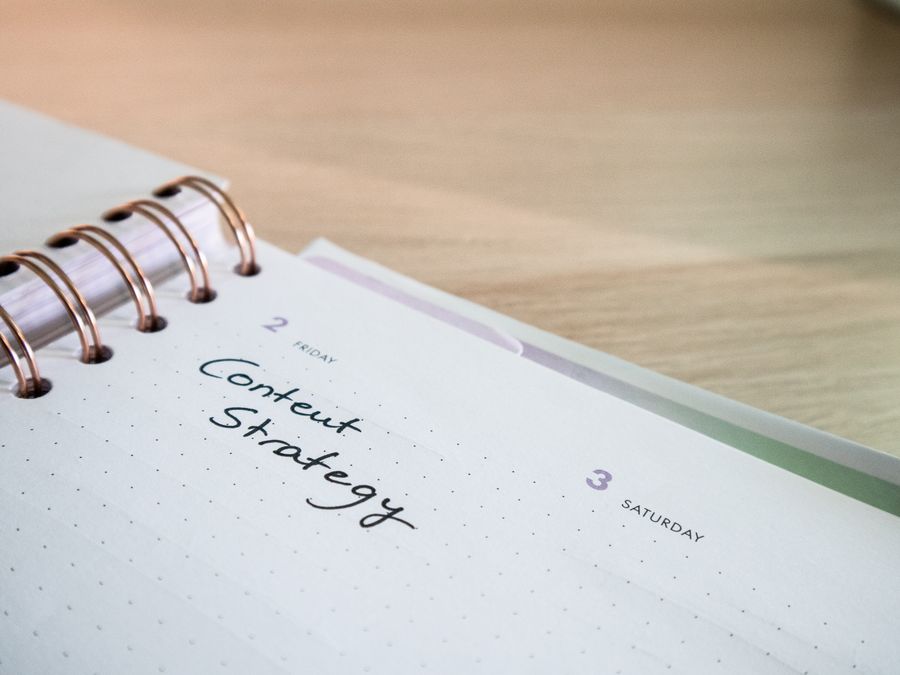
A content calendar keeps you organized and ensures you post consistently. When you are building a social media presence before having products to sell, planning ahead becomes even more important because you need to create value for your audience without relying on promotional content.
Start by deciding how often you want to post on each platform. Consistency matters more than frequency. Posting three times a week every week is better than posting daily for two weeks and then disappearing for a month. Be realistic about what you can maintain alongside all your other launch preparations.
The key to staying consistent with Instagram posting and other platforms is batching your content creation. Set aside dedicated time each week or month to create multiple posts at once. This approach is more efficient than trying to come up with something new every day, and it helps you maintain quality even when you are busy with other aspects of your business.
Plan your content themes in advance. You might dedicate certain days to specific types of content, like behind-the-scenes Mondays or tip Tuesdays. This structure makes planning easier and gives your audience something to look forward to. It also ensures variety in your content mix.
Build flexibility into your calendar for timely content. Leave some slots open for responding to trends, sharing spontaneous moments, or addressing topics that come up in your industry. A rigid calendar that ignores what is happening in the world can make your brand seem out of touch.
Types of Content to Post Before Your Launch
When you do not have products to sell yet, you might wonder what to actually post. The good news is that pre-launch content can be some of the most engaging content you ever create because it focuses on storytelling and connection rather than sales.
Behind-the-scenes content performs exceptionally well during the pre-launch phase. Show your audience the process of building your business. This might include setting up your workspace, developing products, making decisions about packaging, or dealing with the challenges of entrepreneurship. People love feeling like insiders who get to watch something being built from the ground up.
Share your founder story and the why behind your business. What problem are you solving? What personal experiences led you to start this company? Authentic storytelling creates emotional connections that turn casual followers into loyal supporters. Do not be afraid to share struggles and setbacks along with wins.
Educational content establishes your expertise and provides value to your audience. Share tips, insights, and information related to your industry. If you are launching a skincare brand, post about skincare routines and ingredient education. If you are starting a consulting business, share advice related to your area of expertise. This content builds trust and positions you as an authority.
Video content deserves special attention because it typically generates higher engagement than static posts. Learning about creating social media videos that drive engagement can help you make the most of this format. You do not need professional equipment to start. Smartphone videos with good lighting and clear audio work perfectly well for social media.
Teaser content builds anticipation for your launch. Give sneak peeks of products, share hints about what is coming, and create curiosity. Just be careful not to tease for too long without delivering. Balance mystery with enough information to keep people interested.
Building an Audience Before You Have a Product

Growing followers when you have nothing to sell requires a different approach than traditional marketing. Focus on providing value and building genuine relationships rather than promoting products.
Engage actively with your target audience. Find accounts that your ideal customers follow and participate in conversations. Leave thoughtful comments, answer questions, and be genuinely helpful. This organic engagement introduces your brand to potential followers in a natural way.
Collaborate with others in your space. Partner with complementary businesses or creators for joint content, takeovers, or shoutouts. These collaborations expose your brand to new audiences who are already interested in related topics. Look for partners whose values align with yours and whose audiences overlap with your target customers.
If you want to accelerate your growth, consider exploring trusted Instagram growth services that can help you reach more potential followers. These services can be particularly useful during the pre-launch phase when you are trying to build momentum quickly.
As your audience grows, you may find it challenging to keep up with engagement. Learning about Instagram automation strategies for engagement can help you scale your efforts without sacrificing the personal touch that builds real connections.
Create opportunities for your audience to participate. Ask questions, run polls, and invite people to share their opinions. User-generated content campaigns, even simple ones like asking followers to share their experiences related to your industry, increase engagement and make people feel invested in your brand.
Build an email list alongside your social media following. Social media algorithms change, and platforms can disappear or lose popularity. An email list gives you a direct line to your audience that you control. Offer something valuable in exchange for email signups, like early access to your launch or exclusive content.
Preparing Your Social Media for Launch Day
As your launch date approaches, shift your content strategy to build maximum anticipation. The weeks before launch are crucial for converting your engaged followers into paying customers.
Create a countdown campaign that builds excitement. This might include daily posts counting down to launch, special reveals, or exclusive previews for your social media followers. Make your audience feel like they are part of something special by giving them information before the general public.
Start thinking about turning social media into a visual sales pitch as you transition from pre-launch content to launch content. Your posts should begin highlighting the benefits of your products or services and addressing common questions or objections. This shift should feel natural, not abrupt.
Prepare your launch day content in advance. Have posts ready for the moment you go live, including announcements, product showcases, and calls to action. You will be busy on launch day, so having content scheduled and ready to go reduces stress and ensures nothing falls through the cracks.
Plan for engagement on launch day. Set aside time to respond to comments, answer questions, and thank people for their support. The personal attention you give on launch day can turn first-time buyers into lifelong customers. Consider having someone help you manage social media if you expect high volume.
Create a special offer for your social media followers. This could be a discount code, early access, or a bonus gift with purchase. Rewarding the people who supported you before launch encourages loyalty and gives them a reason to buy immediately rather than waiting.
After launch day, continue nurturing your social media community. Share customer reactions, answer questions about your products, and keep providing valuable content. The relationships you built during the pre-launch phase are just the beginning. Maintaining those connections turns one-time buyers into repeat customers and brand advocates who spread the word about your business.
Building a social media presence before your business launches takes time and effort, but the payoff is worth it. You will start your business with an audience that knows, likes, and trusts you. You will have valuable insights about what your customers want. And you will have momentum that carries you through the challenging early days of entrepreneurship. Start building today, and you will thank yourself on launch day.
