



You’ve probably noticed it before. You read a social media post and something feels off. The words are correct, the grammar is fine, but the whole thing sounds like it was written by a machine. That’s because it probably was.
AI writing tools have made content creation faster than ever. Brands and creators can now produce posts, captions, and updates in seconds. But speed comes with a trade-off. Much of this content lacks the warmth, personality, and natural flow that makes people want to engage.
This is where an AI humanizer for social media becomes valuable. These tools take robotic-sounding text and transform it into something that feels like a real person wrote it. The result? Content that connects with your audience instead of pushing them away.
In this article, we’ll explore why AI content often misses the mark, how AI humanizers work, and practical ways to use them for better social media posts. Whether you’re managing a brand account or building your personal presence, understanding this process can help you create content that truly resonates.
Why AI Content Often Sounds Robotic
To fix a problem, you first need to understand it. AI writing tools are impressive, but they have patterns that make their output feel mechanical. Once you know what to look for, you’ll spot these issues everywhere.
One major problem is repetitive phrasing. AI models tend to fall back on certain words and sentence structures. You might notice phrases like “in today’s digital landscape” or “it’s important to note that” appearing over and over. Real people don’t talk this way. We use varied language and don’t repeat ourselves constantly.
Another issue is predictable sentence structure. AI often produces sentences that follow the same pattern: subject, verb, object, repeat. This creates a monotonous rhythm that feels unnatural. Human writing has variety. We use short punchy sentences. Then we might follow with something longer and more detailed that takes its time to make a point.
The lack of personality is perhaps the biggest giveaway. When you read AI-generated social content, it often feels generic. There’s no voice, no quirks, no sense that a real person with opinions and experiences wrote it. This matters because social media is fundamentally about human connection.
AI also struggles with context and nuance. It might produce content that’s technically accurate but misses the emotional tone your audience expects. A post about a product launch might read like a press release instead of an exciting announcement. A response to a trending topic might feel detached rather than engaged.
Understanding these patterns is the first step toward using AI-generated content for social media more effectively. The goal isn’t to avoid AI tools entirely but to recognize their limitations and address them.
What Is an AI Humanizer?
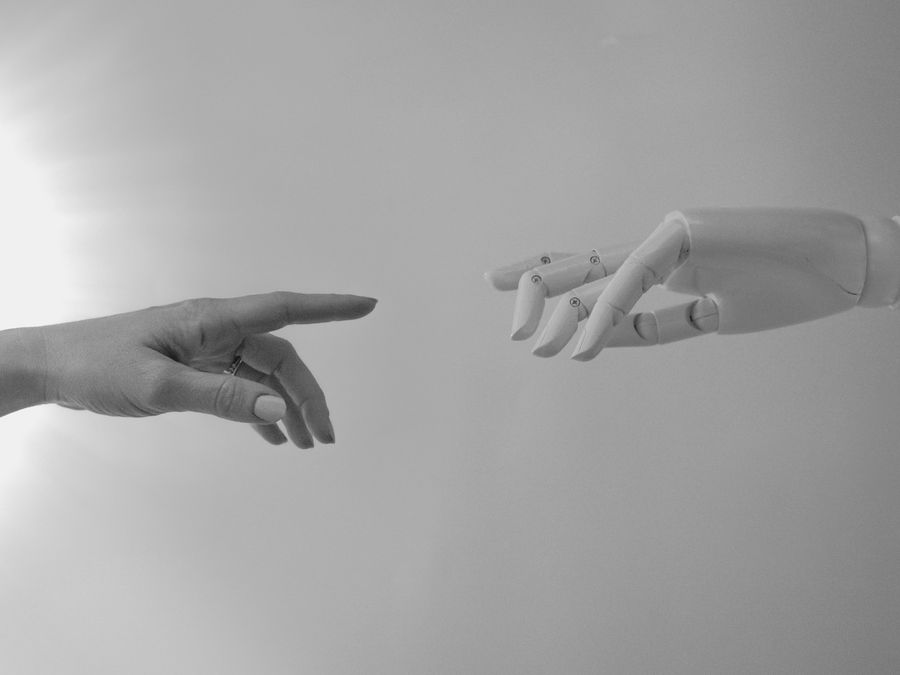
An AI humanizer is a tool designed to take machine-generated text and make it sound more natural. Think of it as a translator between robot-speak and human conversation.
These tools analyze text for the patterns we discussed earlier. They look for repetitive phrases, predictable structures, and missing personality. Then they rewrite or adjust the content to feel more authentic.
The technology behind AI humanizers varies. Some use their own AI models trained specifically to recognize and fix robotic patterns. Others apply rules-based systems that swap out common AI phrases for more natural alternatives. Many combine both approaches.
You can find AI humanizer tools at AIHumanize.io and similar platforms. These services typically let you paste in your AI-generated text and receive a more natural version in return. Some offer different style options, letting you choose how casual or formal you want the output to be.
What makes a good AI humanizer for social media? Look for tools that understand the specific needs of social content. Social posts are different from blog articles or business reports. They need to be conversational, engaging, and often brief. The best humanizers recognize these requirements and adjust accordingly.
It’s worth noting that AI humanizers aren’t magic. They work best when you start with decent AI-generated content and use the humanizer to polish it. If your original text is completely off-topic or factually wrong, humanizing it won’t fix those fundamental problems.
Signs Your Social Media Content Needs Humanizing
How do you know if your content needs work? Here are some clear signs that your posts might be coming across as robotic.
First, check your engagement rates. If people are scrolling past your posts without liking, commenting, or sharing, the content might not be connecting emotionally. Robotic content rarely inspires action because it doesn’t make people feel anything.
Read your posts out loud. This simple test reveals a lot. If the words feel awkward in your mouth or you stumble over phrases, that’s a sign the writing isn’t natural. Real conversation flows smoothly. Your social content should too.
Look for generic phrases that could apply to any brand. Statements like “We’re committed to excellence” or “Our customers are our priority” say nothing specific. They’re the kind of filler that AI produces when it doesn’t have enough context. Your content should reflect your unique voice and perspective.
Notice if your posts lack emotional hooks. Good social content makes people feel something, whether that’s curiosity, excitement, humor, or even mild frustration. If your posts are purely informational without any emotional element, they’re probably not resonating.
Consider whether your content sounds like everyone else in your industry. AI tools are trained on existing content, so they tend to produce output that sounds like an average of everything out there. If your posts could be swapped with a competitor’s without anyone noticing, you have a differentiation problem.
Building a strong social media strategy for brands requires content that stands out. Robotic posts blend into the background noise. Humanized content cuts through.
How AI Humanizers Improve Your Posts
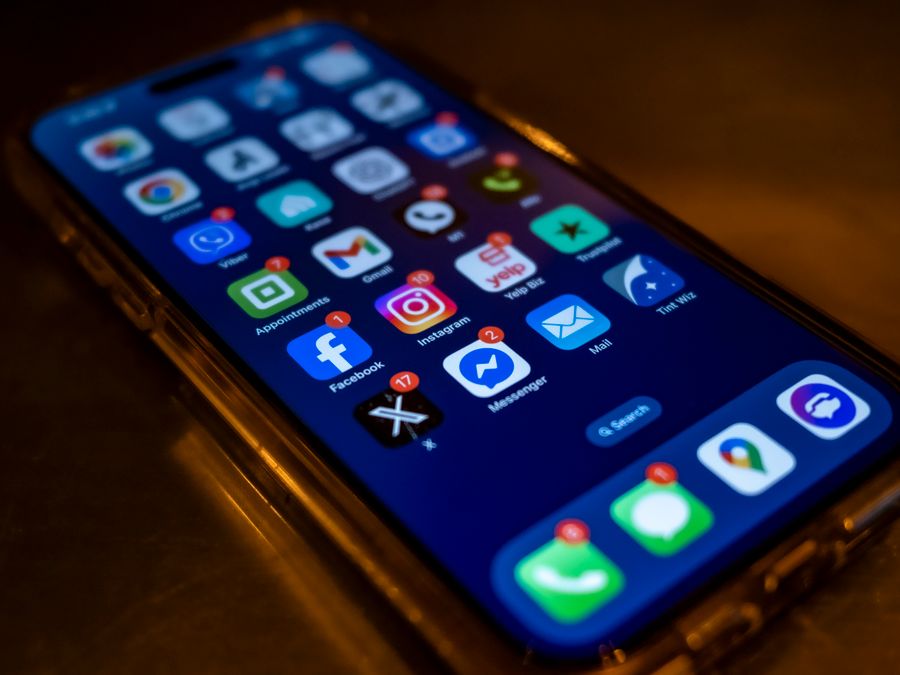
Let’s get specific about what AI humanizers actually do to improve your content. Understanding these changes helps you use the tools more effectively and even make some improvements manually.
One key improvement is varying sentence length. AI tends to produce sentences of similar length, which creates a monotonous reading experience. Humanizers break this pattern by mixing short sentences with longer ones. This creates rhythm and keeps readers engaged.
The concept of sentence cadence matters more than most people realize. Good writing has a natural flow, almost like music. Sentences rise and fall. Some punch quickly. Others take their time, building toward a point that rewards the reader’s patience. AI humanizers help create this natural rhythm.
Another improvement is adding conversational elements. This includes contractions (using “you’re” instead of “you are”), informal transitions (“So here’s the thing…”), and direct address to the reader. These small changes make content feel like a conversation rather than a lecture.
Humanizers also work on removing AI-typical phrases. Those “in today’s fast-paced world” openings get replaced with something more specific and interesting. Generic statements become concrete examples. The result is content that feels grounded in reality rather than floating in abstraction.
Word choice gets attention too. AI often uses formal or technical language when simpler words would work better. A humanizer might change “utilize” to “use” or “facilitate” to “help.” These swaps make content more accessible and friendly.
When you focus on crafting Instagram posts that convert, these improvements matter. Posts that sound natural get more engagement. People are more likely to trust and respond to content that feels human.
Using Humanized AI Content for Captions and Threads

Now let’s talk about practical applications. How do you actually use humanized AI content for specific social media formats?
Instagram captions are a great place to start. The best captions tell a story, ask questions, or share insights that make people want to engage. AI can generate caption ideas quickly, but they often need humanizing to hit the right tone.
When humanizing Instagram captions, focus on the opening line. This is what people see before they tap “more.” It needs to grab attention immediately. Generic AI openings like “Check out our latest product” don’t cut it. A humanized version might start with a question, a surprising statement, or a relatable observation.
Consider the call to action at the end of your caption. AI often produces bland requests like “Let us know in the comments.” A humanized version might be more specific and engaging: “Tell me your biggest challenge with this, I’m curious if it matches what I’ve been hearing.”
For longer content, Threads on X (formerly Twitter) offer a great format. These multi-post sequences let you share detailed thoughts while keeping each individual post digestible. AI can help draft thread content, but humanizing is essential for maintaining reader interest across multiple posts.
When creating threads, each post needs to stand somewhat on its own while connecting to the larger narrative. AI often struggles with this balance, producing posts that are either too disconnected or too dependent on context. Humanizing helps create smooth transitions and maintains the conversational flow.
Following solid Instagram posting tips means paying attention to these details. The difference between a post that gets scrolled past and one that stops someone in their tracks often comes down to how natural and engaging the writing feels.
Remember that different platforms have different expectations. What works on Instagram might feel too casual for LinkedIn. What works on X might be too brief for Facebook. An AI humanizer for social media should help you adjust tone for each platform.
Pairing Humanized Text with Visual Storytelling
Great social media content isn’t just about words. The best posts combine compelling text with strong visuals. When you humanize your AI-generated captions, you should also think about how they work with your images and videos.
Understanding visual storytelling on social media helps you create posts where text and images support each other. Your humanized caption should complement what people see, not just describe it. If your image shows a behind-the-scenes moment, your caption might share the story behind that moment in a conversational way.
Think about the emotional tone of your visuals and match your text accordingly. A bright, energetic photo pairs well with enthusiastic, upbeat copy. A moody, atmospheric image might work better with more reflective, thoughtful text. AI often misses these nuances, producing generic captions that don’t match the visual mood.
When you’re focused on turning social media into a visual sales pitch, the connection between text and image becomes even more important. Your humanized copy needs to guide viewers from the visual hook to the action you want them to take. This requires a natural flow that AI alone rarely achieves.
Consider how your text appears visually too. Long blocks of text can overwhelm, especially on mobile. Humanized content often includes natural break points, line breaks, and formatting that makes it easier to read. This visual consideration is part of creating content that truly connects.
Keeping Your Content Original and Authentic
One concern people have about using AI tools is originality. If everyone uses the same AI to generate content, won’t everything start to sound the same? This is a valid worry, and it’s another reason why humanizing matters.
AI humanizers help differentiate your content from the generic output that AI produces by default. When you humanize, you’re adding elements that reflect your unique voice, perspective, and brand personality. The result is content that’s distinctly yours, even if AI helped create the first draft.
Understanding plagiarism risks in social media is important here. While AI-generated content isn’t plagiarism in the traditional sense, it can sometimes produce text that closely resembles existing content it was trained on. Humanizing helps you put your own stamp on the material and reduce the risk of accidentally duplicating someone else’s work.
Authenticity goes beyond just avoiding copied content. It means creating posts that genuinely reflect who you are or what your brand stands for. AI can’t know your values, experiences, or unique perspective. That’s something you bring to the process. Humanizing is the step where you inject that authenticity into AI-generated drafts.
Think of AI as a starting point, not a finish line. The tool gives you raw material to work with. Humanizing is where you shape that material into something that truly represents you. This approach lets you benefit from AI’s speed while maintaining the authenticity your audience expects.
Balancing Automation with a Human Touch

The goal isn’t to eliminate automation from your social media workflow. That would mean giving up the efficiency gains that AI tools provide. Instead, the goal is to find the right balance between automated processes and human oversight.
An AI humanizer for social media fits into this balance perfectly. You can use AI to generate content quickly, then use humanizing tools to polish it, and finally add your own review to ensure everything meets your standards. This workflow is faster than writing everything from scratch but produces better results than pure AI output.
Consider how humanized content fits into your broader automation strategies for audience engagement. You might schedule posts in advance, use automated responses for common questions, or employ tools that help you post at optimal times. Humanized content ensures that even within these automated systems, your actual posts feel personal and engaging.
The key is knowing when human input matters most. For routine updates or informational posts, AI with light humanizing might be sufficient. For important announcements, responses to customer concerns, or content that represents your brand values, you’ll want more human involvement in the process.
Build checkpoints into your workflow. Before any post goes live, someone should read it and ask: Does this sound like us? Would I be comfortable if a customer saw this? Does it feel natural? These simple questions catch robotic content before it reaches your audience.
Remember that your audience can tell the difference. People have become increasingly good at spotting AI-generated content. They might not consciously identify it, but they’ll feel that something is off. Humanizing helps you avoid that reaction and maintain the trust you’ve built with your followers.
The social media landscape keeps evolving, and AI tools will only become more sophisticated. But the need for human connection won’t change. People follow brands and creators because they want to connect with something real. An AI humanizer for social media helps you deliver that connection while still benefiting from the efficiency of modern tools.
Start by identifying where robotic content is hurting your engagement. Test humanizing tools on a few posts and compare the results. Pay attention to what resonates with your specific audience. Over time, you’ll develop a workflow that combines the best of AI efficiency with the authenticity that makes social media meaningful.
