



If you’ve ever tried to write a long caption on Instagram only to find your text suddenly cut off, you’ve run into one of the platform’s character limits. Instagram sets specific boundaries on how much text you can include in different areas of the app, from your bio to your captions, comments, and even direct messages.
Understanding Instagram character limits helps you plan your content better and avoid frustrating surprises. Whether you’re a casual user sharing moments with friends or a creator building your brand, knowing these limits lets you communicate more effectively within the space you have.
This guide covers all the important Instagram character limits you need to know about. We’ll walk through each feature, explain the exact limits, and share practical tips for making the most of every character available to you.
What Are Instagram Character Limits?
Instagram character limits are the maximum number of characters you can type in different parts of the app. A character includes letters, numbers, spaces, punctuation marks, and emojis. Instagram sets these limits to keep content readable and ensure the platform runs smoothly for everyone.
Different features have different limits because they serve different purposes. Your bio, for example, is meant to be a quick snapshot of who you are, so it has a shorter limit. Captions give you more room to tell stories or share information about your posts. Comments are designed for quick interactions, while direct messages allow for longer conversations.
These limits exist for several practical reasons. They help maintain a clean, visually appealing feed where content doesn’t overwhelm viewers. They also encourage users to be concise and thoughtful about what they share. When you have limited space, every word matters more.
Understanding these boundaries helps you craft better content. Instead of writing freely and then scrambling to cut text, you can plan ahead and make sure your most important message fits. Resources like Social Report provide helpful guidance on optimal post lengths across various social media platforms.
The good news is that Instagram’s limits are generally generous enough to let you express yourself fully. Once you know what they are, working within them becomes second nature.
Instagram Bio Character Limit
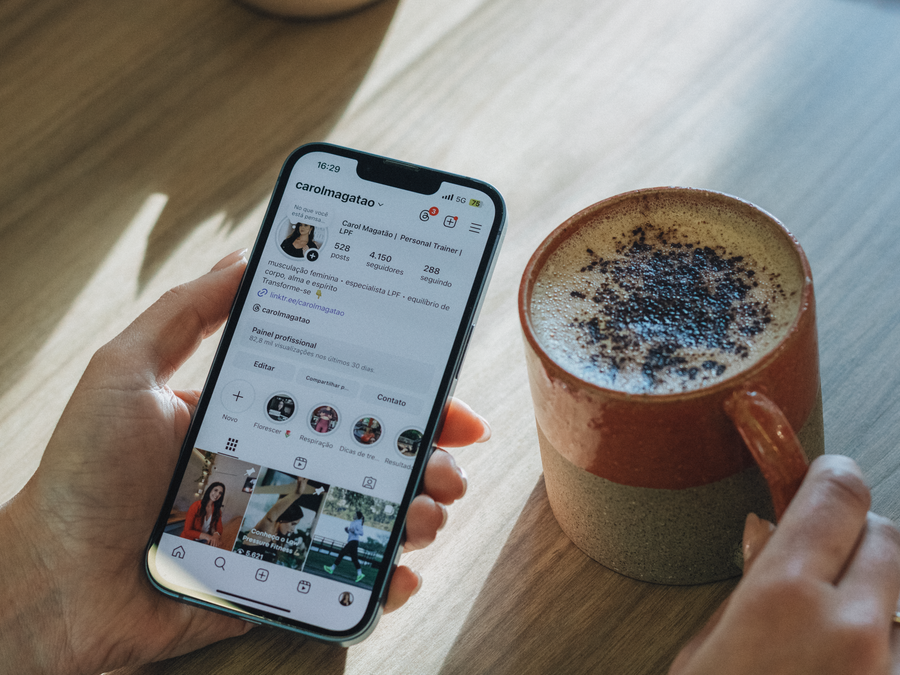
Your Instagram bio has a limit of 150 characters. This includes all letters, spaces, punctuation, and emojis. It might sound short, but it’s enough to introduce yourself, share what you do, and give visitors a reason to follow you.
The bio appears right below your profile picture and username, making it one of the first things people see when they visit your profile. Since many users check who views your Instagram profile, having a well-crafted bio matters for making a strong first impression.
Here are some tips for making the most of your 150 characters:
- Lead with the most important information. Put your main identifier or value proposition first. If you’re a photographer, say that upfront.
- Use line breaks wisely. Breaking your bio into short lines makes it easier to scan. You can add line breaks by typing your bio in a notes app first, then copying it over.
- Include a call to action. Tell visitors what you want them to do, whether that’s checking out your latest post, visiting your website, or sending you a message.
- Use emojis strategically. Emojis can replace words and add visual interest, but don’t overdo it. One or two well-placed emojis work better than a string of them.
- Skip unnecessary words. Words like “I am” or “I love” take up space. Instead of “I am a travel blogger,” try “Travel blogger” to save characters.
If you’re using Instagram for connecting with others, whether for networking or exploring Instagram dating features, your bio becomes even more important. It’s your chance to show personality and give people a sense of who you are in just a few words.
Remember that your bio can include a clickable link, but that link doesn’t count toward your 150 characters. The link field is separate, so use it to direct traffic to your website, latest project, or link-in-bio tool.
Instagram Caption Character Limit

Instagram captions can be up to 2,200 characters long. That’s roughly 300 to 400 words, giving you plenty of room to share stories, provide context, ask questions, or include calls to action.
However, there’s an important detail to keep in mind. Instagram only shows the first 125 characters of your caption before adding a “more” link. Viewers have to tap to see the rest. This means your opening line needs to grab attention and encourage people to keep reading.
Think of your caption as having two parts: the hook and the body. The hook is those first 125 characters that appear without tapping. Make them count by starting with something interesting, surprising, or valuable. The body is everything else, where you can expand on your message.
Here are some best practices for writing engaging captions:
- Start strong. Your first sentence should make people want to read more. Ask a question, share a surprising fact, or make a bold statement.
- Match your caption length to your content. A simple photo might only need a short caption, while a tutorial or story might benefit from using more of your available characters.
- Break up long text. Use line breaks and spacing to make longer captions easier to read. Walls of text can feel overwhelming on mobile screens.
- End with engagement. Ask a question or include a call to action at the end to encourage comments and interaction.
When planning your content strategy, consider how your captions work alongside your visuals. Learning about Instagram banner strategies can help you create cohesive content where images and text complement each other.
Scheduling tools like Later can help you plan and preview your captions before posting. These tools often show you exactly how your caption will appear, including where the “more” cutoff happens, so you can adjust your hook accordingly.
While you have 2,200 characters available, you don’t always need to use them all. Sometimes a short, punchy caption works better than a long one. Let your content and goals guide your caption length.
Instagram Comment Character Limit
Comments on Instagram can be up to 2,200 characters, the same as captions. However, most effective comments are much shorter. Comments are meant for quick interactions, reactions, and conversations, not lengthy essays.
When leaving comments, focus on being genuine and adding value to the conversation. A thoughtful comment that shows you actually engaged with the content will always perform better than a generic “Nice post!” or a string of emojis.
Here are some tips for meaningful comments:
- Be specific. Instead of “Great photo,” try “I love how you captured the light in this shot. The golden hour really makes the colors pop.”
- Ask questions. Engaging questions can start conversations and show genuine interest in the content creator.
- Share related experiences. If someone posts about a place you’ve visited or a topic you know about, share your own perspective.
- Keep it appropriate. Remember that comments are public. Keep your tone friendly and respectful.
Your commenting habits are part of your overall Instagram usage habits. Engaging authentically with others’ content can help build genuine connections and grow your own presence on the platform.
One thing to note: Instagram limits how many hashtags you can include in a comment to 30, the same as in posts. Some users add hashtags in the first comment rather than the caption to keep their captions cleaner, though this strategy has become less common as Instagram’s algorithm has evolved.
Instagram Hashtag Limits

Instagram allows a maximum of 30 hashtags per post. This limit applies whether you put hashtags in your caption or in a comment. If you try to add more than 30, your post or comment won’t publish.
While you can use up to 30 hashtags, that doesn’t mean you always should. The ideal number depends on your content, audience, and goals. Some accounts see great results with 10 to 15 well-chosen hashtags, while others benefit from using more.
Here’s how to approach hashtag strategy effectively:
- Mix hashtag sizes. Use a combination of popular hashtags with millions of posts, medium-sized hashtags with hundreds of thousands of posts, and smaller niche hashtags. This gives you a chance to be discovered in different ways.
- Stay relevant. Only use hashtags that genuinely relate to your content. Using unrelated popular hashtags might get you views, but they won’t be from people interested in what you actually share.
- Create hashtag groups. Save sets of hashtags for different types of content you post regularly. This saves time and ensures consistency.
- Research before using. Check what kind of content appears under a hashtag before using it. Some hashtags have been overrun by spam or inappropriate content.
- Track what works. Pay attention to which hashtags bring you the most engagement and adjust your strategy accordingly.
Tools like Buffer can help you manage and organize your hashtag strategies, making it easier to save hashtag groups and analyze which ones perform best for your content.
Each hashtag also has its own character limit. Individual hashtags can be up to 30 characters long, not including the # symbol. This is usually plenty of room, but it’s worth knowing if you’re creating branded hashtags or using longer phrases.
Remember that hashtag effectiveness can change over time. What works well one month might become oversaturated the next. Regularly reviewing and updating your hashtag strategy helps you stay visible to the right audiences.
Instagram Stories Character Limits

Instagram Stories have different text limits depending on how you add text. When you use the text tool to add text directly to a Story, you can type quite a bit, but there’s a practical limit based on what fits on the screen.
The text sticker in Stories allows for approximately 2,200 characters, similar to captions. However, fitting that much text on a single Story frame would make it unreadable. In practice, you’ll want to keep Story text short and scannable.
Here are some guidelines for Story text:
- Keep it brief. Stories are meant to be consumed quickly. Aim for short phrases or sentences that viewers can read in a few seconds.
- Use large, readable fonts. Small text is hard to read on mobile screens, especially when people are tapping through Stories quickly.
- Contrast matters. Make sure your text color stands out against your background. Use the color picker to match your text to elements in your image or video.
- Break up longer messages. If you have more to say, spread it across multiple Story frames rather than cramming everything into one.
Story captions, which appear when you share a feed post to your Story, are limited to what fits in the caption sticker. The full caption from your original post won’t appear, so consider adding key points as text on the Story itself.
Some users like to view Instagram Stories anonymously to check out content without leaving a trace. Knowing this, you might want to make your Story text compelling enough that viewers feel encouraged to engage directly rather than just watching silently.
Social media management platforms like Hootsuite can help you plan and schedule your Stories content in advance, letting you preview how text will appear and ensure your messages are clear and readable.
For Stories with interactive elements like polls, quizzes, or question stickers, each element has its own character limits. Poll questions can be up to 140 characters, and poll options are limited to 24 characters each. Question stickers allow up to 140 characters for your question.
Instagram Reels Character Limits
Instagram Reels captions follow the same 2,200 character limit as regular post captions. This gives you plenty of room to describe your video, add context, include hashtags, and encourage engagement.
However, Reels are often discovered through the Reels tab or Explore page, where captions are less prominent. Many viewers watch Reels without reading the caption at all, especially if they’re scrolling quickly through content.
This means your Reel itself needs to communicate your message visually and through audio. The caption becomes supplementary information rather than the main content.
Here’s how to optimize Reels captions:
- Front-load important information. If viewers do read your caption, they’ll likely only see the first line or two. Put your most important message there.
- Include relevant hashtags. Hashtags help your Reels get discovered by people interested in your topic. The same 30-hashtag limit applies.
- Add a call to action. Encourage viewers to follow, comment, share, or check out related content.
- Provide context when needed. If your Reel references something that needs explanation, the caption is the place to add it.
On-screen text in Reels has practical limits based on readability. You can add text overlays to your videos, but keep them short enough to read during the clip. Fast-paced Reels need shorter text that appears long enough for viewers to process.
If you’re creating video content for Instagram, you might also be interested in learning about pre-recorded live videos and how character limits apply to different video formats on the platform.
Reel titles, which appear when your Reel is displayed in the grid, are automatically generated from the first part of your caption. Keep this in mind when writing your opening line, as it becomes the title that represents your content in various places on Instagram.
Instagram DM Character Limits
Instagram Direct Messages have a generous character limit of around 1,000 characters per message. This gives you plenty of room for conversations, whether you’re chatting with friends, responding to followers, or handling business inquiries.
Unlike public content, DMs are private conversations between you and the recipient. This changes how you might approach writing them. You can be more casual, more detailed, or more personal depending on your relationship with the person you’re messaging.
Here are some tips for effective Instagram DMs:
- Be clear and direct. Get to your point without unnecessary padding. People appreciate messages that respect their time.
- Break up long messages. If you have a lot to say, consider sending multiple shorter messages rather than one massive block of text.
- Use voice messages for longer content. Instagram allows voice messages in DMs, which can be easier than typing out lengthy explanations.
- Respond thoughtfully. When replying to message requests or follower questions, take time to give helpful, genuine responses.
Your DM settings connect to your overall privacy preferences. If you have private Instagram profiles, you have more control over who can message you directly. Understanding these settings helps you manage your inbox effectively.
Group DMs follow the same character limits per message. You can have conversations with multiple people, and each message you send can be up to the same length as individual DMs.
For business accounts, DMs often serve as a customer service channel. Having enough character space to provide detailed responses, answer questions thoroughly, and maintain professional communication is essential for building good relationships with customers and followers.
Tips for Writing Within Instagram Character Limits
Now that you know all the specific Instagram character limits, here are some practical strategies for creating effective content within these boundaries.
Plan before you write. Before typing directly into Instagram, draft your content in a notes app or document. This lets you see your character count, edit freely, and save drafts for later. Many phones show character counts in notes apps, making it easy to stay within limits.
Edit ruthlessly. Your first draft probably has words you don’t need. Look for filler phrases like “I think that,” “in order to,” or “the fact that.” Cut them to save characters without losing meaning.
Use abbreviations wisely. Common abbreviations can save space, but don’t sacrifice clarity. “DM” works for “direct message,” but obscure abbreviations might confuse your audience.
Embrace emojis. A single emoji can replace several words and add visual interest. Instead of writing “I love this,” a heart emoji communicates the same sentiment in one character.
Prioritize your message. Decide what’s most important before you start writing. If you only had half the characters available, what would you absolutely need to include? Start there and add supporting details if space allows.
Test different lengths. Pay attention to how your audience responds to different caption lengths. Some accounts thrive with long, storytelling captions, while others perform better with short, punchy text. Let your analytics guide you.
Keep your app updated. Instagram occasionally adjusts features and limits. Make sure to update your Instagram app regularly so you’re always working with the current limits and features.
If you consistently find yourself wanting more space than Instagram allows, consider whether some of your content might work better on other platforms. Medium.com and similar platforms are designed for longer-form content and might be better suited for detailed articles, essays, or in-depth explanations that don’t fit Instagram’s format.
Use your link wisely. Your bio link doesn’t count toward character limits and can direct followers to longer content elsewhere. Use link-in-bio tools to share multiple links if you have various resources to offer.
Create templates. If you post similar types of content regularly, create templates with placeholder text. This helps you stay consistent and ensures you’re using your available characters effectively each time.
Working within Instagram character limits becomes easier with practice. Over time, you’ll develop an instinct for how much you can say in each space and how to make every character count. The constraints can actually make you a better writer by forcing you to be clear, concise, and intentional with your words.
Remember that these limits exist to create a better experience for everyone on the platform. By working within them thoughtfully, you create content that’s easier for your audience to consume and engage with, which ultimately helps you achieve your goals on Instagram.
