



Instagram has become one of the most powerful platforms for businesses to connect with their audience. But with so much content competing for attention, how do you make your brand stand out? One effective approach is using Instagram banners for brand promotion. These eye-catching graphics can help you communicate your message quickly, build recognition, and encourage people to take action.
Whether you’re launching a new product, announcing a sale, or simply trying to strengthen your brand presence, well-designed banners can make a real difference. In this guide, we’ll walk through everything you need to know about creating Instagram banners that work. From design basics to writing compelling calls to action, you’ll learn practical strategies to help your brand shine on the platform.
What Are Instagram Banners and Why Do They Matter
Instagram banners are promotional graphics designed to grab attention and deliver a clear message to your audience. They typically feature a combination of images, text, and brand elements arranged in a visually appealing way. You can use banners in various places on Instagram, including feed posts, Stories, Highlights covers, and even as part of carousel content.
These graphics serve several important purposes for your brand. First, they help you communicate key information quickly. In a fast-scrolling environment, you have just seconds to capture someone’s attention. A well-designed banner can convey your message at a glance, whether it’s a discount offer, event announcement, or brand statement.
Second, banners create visual consistency across your profile. When someone visits your Instagram page, they should immediately recognize your brand through consistent colors, fonts, and style. This recognition builds trust and makes your content more memorable.
Third, Instagram banners for brand promotion can drive specific actions. Whether you want people to visit your website, sign up for a newsletter, or make a purchase, banners provide a clear visual prompt that guides viewers toward your goal. For more ways to strengthen your presence on the platform, check out these Instagram marketing tips that can complement your banner strategy.
Building a Strong Visual Brand Identity
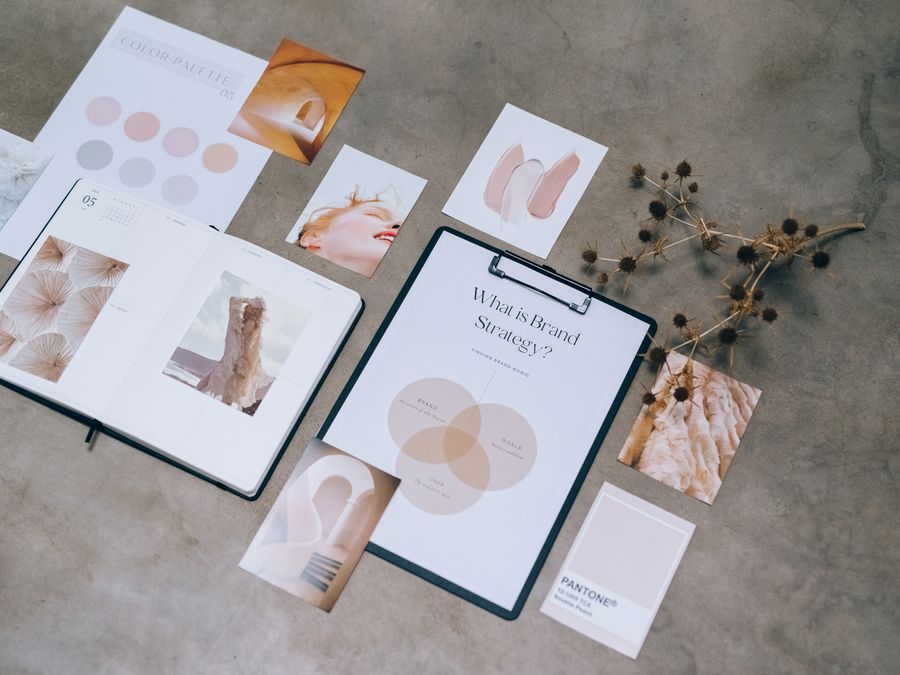
Before you start creating banners, you need to establish a clear visual brand identity. This means defining the visual elements that will represent your brand consistently across all your content. Think of it as creating a visual language that your audience will come to recognize and associate with your business.
Start with your color palette. Choose three to five colors that reflect your brand personality and use them consistently. If your brand is energetic and youthful, you might choose bright, bold colors. If you’re going for a more sophisticated feel, muted tones or classic combinations might work better. Whatever you choose, stick with it across all your banners and content.
Typography is equally important. Select one or two fonts that match your brand voice. A playful brand might use rounded, friendly fonts, while a professional services company might prefer clean, modern typefaces. Using the same fonts repeatedly helps people recognize your content instantly, even before they see your logo.
Visual branding on Instagram goes beyond just colors and fonts. It includes the overall style of your imagery, the way you compose your graphics, and even the mood your visuals create. Some brands use bright, airy photos while others prefer dark, moody aesthetics. The key is consistency.
When you’re building your brand identity, document everything in a simple style guide. This ensures that anyone creating content for your brand maintains the same look and feel. Your style guide should include your exact color codes, font names, logo usage rules, and examples of on-brand imagery.
Essential Design Elements for Effective Banners

Creating effective Instagram banners requires attention to several key design elements. When these components work together harmoniously, your banners will look professional and communicate your message clearly.
Color Schemes That Work
Your color choices do more than just look pretty. They evoke emotions and create associations. Warm colors like red and orange can create urgency and excitement, making them great for sale announcements. Cool colors like blue and green feel calming and trustworthy, which works well for service-based businesses. Use contrast strategically to make important elements stand out. A bright button color against a neutral background naturally draws the eye.
Typography That Communicates
Keep text minimal on your banners. Instagram is a visual platform, and too much text can overwhelm viewers. Stick to short, punchy headlines and use font sizes that are easy to read on mobile devices. Create hierarchy by making your most important message the largest and most prominent. Supporting information can be smaller but should still be legible.
Imagery and Graphics
High-quality images are non-negotiable. Blurry or pixelated graphics make your brand look unprofessional. Use images that support your message and resonate with your target audience. If you’re promoting a product, show it in an appealing context. For service-based businesses, lifestyle imagery that represents your ideal customer can work well.
Logo Placement
Your logo should appear on your banners, but it shouldn’t dominate the design. Place it in a consistent location, typically a corner, where it’s visible but doesn’t compete with your main message. If you need to create or update your logo, an AI logo generator can help you develop professional options quickly.
Remember that your banner designs should boost your Instagram aesthetic overall. Each banner is part of your larger visual presence, so consider how it will look alongside your other content in your feed.
Writing Compelling Calls to Action

A beautiful banner is only effective if it inspires action. That’s where your call to action comes in. A Call to Action (CTA) is a prompt that tells viewers exactly what you want them to do next. Without a clear CTA, even the most stunning banner might not achieve your goals.
Effective CTAs are short, specific, and action-oriented. Instead of vague phrases like “Learn More,” try specific commands like “Shop the Sale,” “Download Your Free Guide,” or “Book Your Spot.” The more specific your CTA, the clearer the path forward for your audience.
Consider the action you’re asking people to take and make sure it matches where they are in their relationship with your brand. Someone who just discovered you might respond well to “See Our Story” or “Browse Our Collection.” A loyal follower might be ready for “Buy Now” or “Join Our VIP List.”
The visual presentation of your CTA matters too. Make it stand out from the rest of your banner through color contrast, size, or placement. Many effective banners use a button-style design for the CTA, which signals to viewers that it’s clickable or actionable.
When you’re focused on crafting Instagram posts that convert, your CTA becomes the bridge between interest and action. Test different CTAs to see which ones resonate most with your audience. Sometimes a small change in wording can significantly impact your results.
Driving Engagement Through Banner Content
Instagram banners for brand promotion aren’t just about broadcasting your message. They can also spark conversations and build community when designed with engagement in mind. The more people interact with your content, the more Instagram’s algorithm will show it to others.
One effective strategy is creating banners that ask questions or invite opinions. A banner that says “Which color would you choose?” alongside product options encourages comments. Similarly, banners that share relatable content or behind-the-scenes glimpses can prompt saves and shares.
Consider creating banner series that keep people coming back. This could be weekly tips, motivational quotes, or educational content related to your industry. When followers know to expect valuable content from you regularly, they’re more likely to engage consistently.
Interactive elements work well in Stories banners. Use polls, quizzes, and question stickers to turn passive viewers into active participants. These features not only boost engagement but also provide valuable insights into your audience’s preferences and opinions.
To engage audiences effectively, think about what your followers actually want to see. Content that educates, entertains, or inspires tends to perform better than purely promotional material. Balance your sales-focused banners with content that provides genuine value.
If you want to increase engagement on Instagram, remember that timing matters too. Post your banners when your audience is most active, and respond promptly to comments to keep the conversation going.
Using Banners for Promotions and Sales

When it comes to driving sales, Instagram banners are incredibly effective. They allow you to showcase products, highlight special offers, and create urgency that motivates purchases. For e-commerce businesses especially, promotional banners can directly impact your bottom line.
Product Showcase Banners
Feature your products in their best light. Use high-quality images that show details and context. Lifestyle shots that show products in use often perform better than plain product photos. Include key information like product names and prices, but keep the design clean and focused.
Sale and Discount Banners
When running a sale, your banner needs to communicate the offer clearly and create excitement. Use bold text for discount percentages or amounts. Include the sale duration to create urgency. Phrases like “Limited Time” or “While Supplies Last” can encourage faster action.
New Arrival Announcements
Build anticipation for new products with teaser banners before launch, then follow up with reveal banners when items become available. This creates a sense of exclusivity and excitement that can drive early sales.
Seasonal and Holiday Promotions
Align your banner designs with seasons and holidays relevant to your audience. Holiday-themed banners feel timely and can tap into the buying mindset that often accompanies these periods. Plan your seasonal content in advance so you’re ready when the time comes.
To maximize the impact of your promotional banners, integrate them with Instagram shopping features. This allows viewers to move from seeing your banner to purchasing your product with minimal friction.
Targeting the Right Audience With Your Banners
Even the most beautifully designed banner won’t perform well if it’s not reaching the right people. Understanding your audience is essential for creating banners that resonate and convert.
Start by defining who your ideal customer is. Consider their age, interests, challenges, and what motivates them. This information should guide every design decision, from the images you choose to the language you use. A banner targeting young professionals will look and sound different from one aimed at parents or retirees.
Pay attention to what content your audience already engages with. Look at which of your posts get the most likes, comments, and saves. This data reveals what resonates with your followers and can inform your banner strategy.
Consider creating different banner variations for different audience segments. If you serve multiple customer types, a one-size-fits-all approach might not be as effective as tailored content for each group. You might create separate banners highlighting different benefits that matter to different segments.
When you’re targeting Instagram audiences with paid promotions, you can get even more specific. Instagram’s advertising tools allow you to reach people based on demographics, interests, behaviors, and more. This precision targeting means your banners can reach exactly the people most likely to be interested in your offer.
Test different approaches and pay attention to the results. What works for one audience might not work for another. Continuous learning and adjustment will help you refine your banner strategy over time.
Repurposing Banner Content for Ads
Once you’ve created effective organic banners, you have a valuable asset that can extend beyond your regular posts. Repurposing your best-performing banner content for paid advertising can amplify your reach and results.
Start by identifying which organic banners have performed best. High engagement rates, saves, and shares indicate content that resonates with your audience. These proven performers are excellent candidates for paid promotion because you already know they work.
When adapting banners for ads, consider the different placements available. Feed ads, Stories ads, and Explore ads each have different dimensions and viewing contexts. You may need to adjust your designs to work optimally in each format while maintaining your core message and branding.
Paid ads allow you to include clickable links, which opens up new possibilities for your CTAs. While organic posts rely on the link in your bio, ads can send viewers directly to product pages, landing pages, or sign-up forms. Make sure your CTA reflects this capability.
You can also repurpose content for Instagram ads by combining your banner designs with other content types. For example, you might use banner graphics as the opening frame of a video ad or incorporate them into carousel ads that tell a longer story.
Track the performance of your ad banners carefully. Instagram provides detailed analytics that show you how your ads are performing in terms of reach, engagement, and conversions. Use this data to refine your approach and improve results over time.
Remember that advertising requires a budget, so start small and scale up as you learn what works. Even a modest investment can significantly expand your reach when combined with well-designed banner content that has already proven its appeal.
Creating effective Instagram banners for brand promotion is both an art and a science. It requires creativity in design and strategy in execution. By building a strong visual identity, mastering essential design elements, writing compelling CTAs, and understanding your audience, you can create banners that not only look great but also drive real results for your business. Start with the basics, test different approaches, and continuously refine your strategy based on what you learn. With practice and attention to what works, your Instagram banners will become powerful tools for building your brand and growing your business.
