



If you’re an Instagram creator or business owner, you already know how powerful the platform can be for connecting with your audience. But relying solely on Instagram has its limits. What happens when the algorithm changes? What if you want to sell products, collect emails, or share longer content? That’s where having your own website comes in.
Building an Elementor Instagram website gives you the best of both worlds. You get a professional online home that you fully control, while still showcasing the visual content that makes your Instagram feed shine. The good news is that you don’t need to be a tech expert to make this happen. With the right approach, you can create a website that works hand-in-hand with your Instagram presence to grow your brand and reach more people.
In this guide, we’ll walk through everything you need to know about using Elementor to build a website that leverages your Instagram power. From planning your layout to embedding feeds and creating consistent branding, you’ll learn practical tips you can start using today.
Why Connect Your Website and Instagram
Having both a website and an Instagram account might seem like extra work, but the combination creates something more powerful than either platform alone. Your Instagram is great for discovery and engagement, while your website gives you a permanent home where you control the rules.
When someone finds you on Instagram, they might love your content but forget about you by tomorrow. A website gives them a place to learn more, sign up for updates, or make a purchase. It’s your chance to turn casual scrollers into loyal followers and customers.
A website also helps you build credibility. When brands or potential collaborators want to work with you, having a professional website shows you’re serious about what you do. It’s a place to showcase your best work, share your story, and make it easy for people to contact you.
Understanding Instagram growth and revenue is important, but a website opens up additional income streams. You can sell digital products, offer services, run ads, or collect email addresses for future marketing. These options give you more stability than depending on a single social platform.
Think of your website and Instagram as partners. Instagram brings people in with eye-catching visuals and quick engagement. Your website keeps them around, builds deeper relationships, and helps you earn money from your hard work.
Getting Started with Elementor
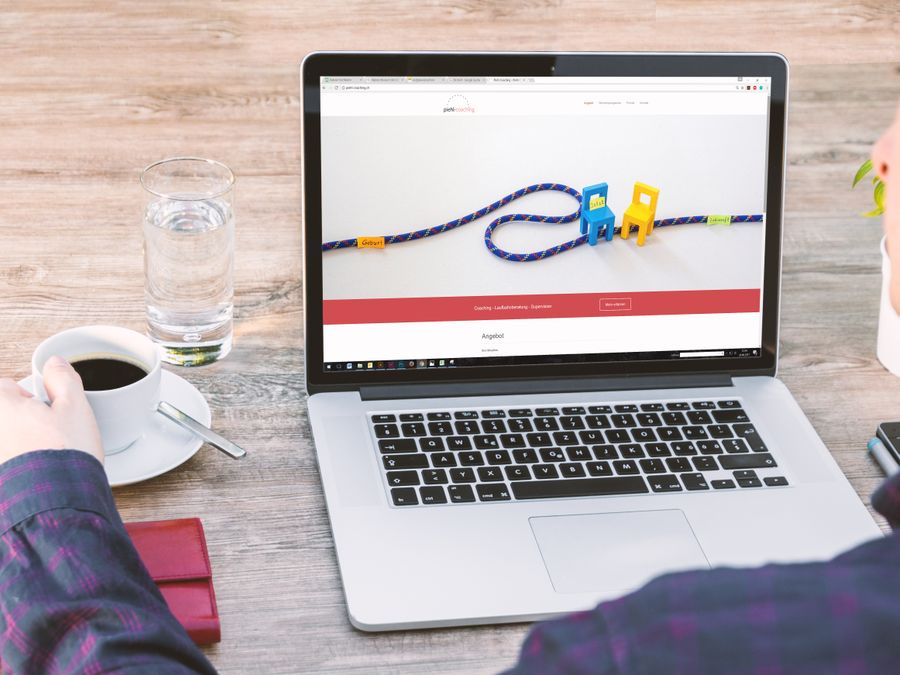
Elementor is a website builder that works with WordPress, and it’s become incredibly popular because it makes building beautiful websites surprisingly simple. Instead of writing code, you drag and drop elements onto your page and see exactly how everything looks in real time.
For Instagram creators, Elementor is a perfect match. You’re already used to thinking visually and creating content that looks good. Elementor lets you bring that same creative approach to your website without needing technical skills. You can check out the Free & User-Friendly Elementor Website Maker to see what’s possible.
Before you can start building with Elementor, you’ll need a few things in place. First, you need a domain name, which is your website’s address. Then you need hosting, which is where your website files live on the internet. Finding reliable website hosting for Instagram creators is an important first step that affects how fast and reliable your site will be.
Once you have hosting set up with WordPress installed, you can add Elementor as a plugin. The free version gives you plenty of features to get started, though the pro version adds more widgets and design options that many creators find helpful.
The learning curve is gentle. Elementor uses a sidebar where you pick elements like text blocks, images, buttons, and videos. You drag them onto your page and click to edit. Everything updates instantly, so you always see what your visitors will see. Within an afternoon, most people can build a basic page that looks professional.
Planning Your Website Layout for Instagram Integration

Before you start dragging and dropping, take some time to plan how your website will work with your Instagram presence. A little planning upfront saves you from rebuilding pages later.
Start by thinking about what you want visitors to do when they land on your site. Do you want them to follow you on Instagram? Buy a product? Sign up for your email list? Your goals will shape how you organize your pages and where you place different elements.
If you’re still in the early stages, make sure you have a solid foundation by setting up an Instagram account that reflects your brand before planning your website integration.
Most Instagram creators benefit from having a few key pages. A homepage that introduces who you are and what you do. An about page that tells your story. A portfolio or gallery page that showcases your best work. And a contact page that makes it easy for people to reach you.
When planning your Instagram content, think about how it will appear on your website too. Your Instagram feed can become a dynamic element on your homepage, showing visitors that you’re active and giving them a taste of your style.
Consider where Instagram elements will fit naturally. Your feed might work well near the bottom of your homepage, giving visitors one more reason to follow you. Individual posts could be featured in blog articles or portfolio pieces. Stories highlights might inspire a section about your process or behind-the-scenes content.
Sketch out a rough layout for each page before you start building. Note where you want Instagram content to appear and how it connects to your other content. This roadmap makes the actual building process much smoother.
Embedding Instagram Feeds in Elementor
One of the best ways to connect your website and Instagram is by displaying your feed directly on your site. This keeps your website looking fresh without extra work, since it updates automatically whenever you post on Instagram.
There are several ways to add Instagram feeds to your Elementor pages. The most common approach uses a third-party plugin that connects to your Instagram account and displays your posts. These plugins typically offer customization options so you can control how many posts appear, the layout style, and whether to show likes or comments.
For those comfortable with basic code, you can also use HTML widgets in Elementor to embed Instagram content directly. Instagram provides embed codes for individual posts, which you can paste into an HTML widget to display specific content on your pages.
When choosing where to place your feed, think about the user experience. A feed on your homepage shows visitors you’re active and gives them a preview of your content style. A feed on your contact page might encourage people to follow you after reaching out. A feed on a dedicated Instagram page can serve as a full gallery of your work.
Keep in mind that fresh, engaging content on your feed helps both your website and your Instagram performance. Understanding the Instagram algorithm can help you create content that performs well on both platforms.
Pay attention to loading speed when adding Instagram feeds. Too many posts or large images can slow down your page. Most feed plugins let you limit the number of posts displayed and optimize image sizes. Start with a smaller number of posts and test how your page performs before adding more.
Also consider how your feed looks on mobile devices. Many of your visitors will be viewing your site on their phones, so make sure the feed displays nicely on smaller screens. Elementor’s responsive editing features let you adjust how elements appear on different device sizes.
Designing Visual Elements That Match Your Instagram Brand
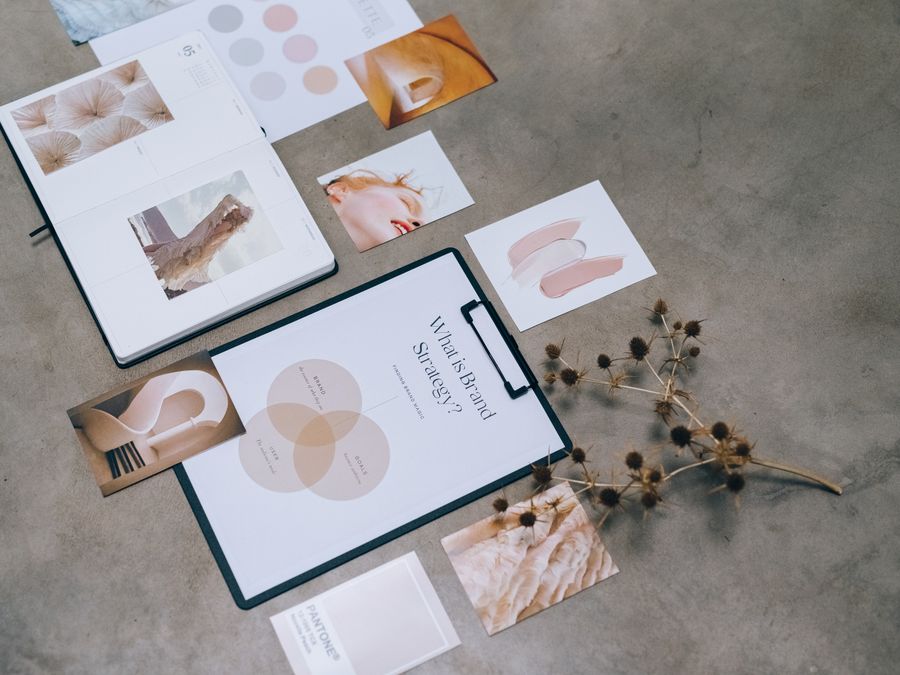
Consistency is key when building a brand across multiple platforms. When someone clicks from your Instagram to your website, the experience should feel seamless. They should immediately recognize that they’re in the right place.
Start with colors. Look at your Instagram feed and identify the main colors you use. These might be in your photos, graphics, or the overall mood of your content. Use these same colors on your website for backgrounds, buttons, headings, and accents. Elementor makes this easy with global color settings that you can apply across your entire site.
Fonts matter too. If you use specific fonts in your Instagram graphics, try to use the same or similar fonts on your website. Elementor gives you access to hundreds of Google Fonts, so you can likely find a match or something close. Consistent typography creates a professional, cohesive look.
Your Instagram banner design strategies can inform your website header and other visual elements. The same principles that make your Instagram profile look polished will help your website feel professional.
When preparing images for your website, you may need to adjust sizes and proportions. Learning to crop images for Instagram is helpful, but website images often need different dimensions. Create versions of your key images that work well in both places.
For advanced users who want more control over their website’s appearance, CSS customizations allow you to fine-tune every detail. Elementor includes options for adding custom CSS to individual elements or your entire site.
Don’t forget about image style. If your Instagram photos have a particular editing style, warm tones, high contrast, or a specific filter look, carry that through to your website images. This visual consistency helps people recognize your brand instantly.
Adding Calls to Action That Drive Instagram Engagement

Your website should do more than just look good. It should encourage visitors to take action. For Instagram creators, one important action is getting website visitors to follow and engage with you on Instagram.
A Call to Action is simply a prompt that tells visitors what to do next. It might be a button that says “Follow me on Instagram” or text that invites people to check out your latest posts. Clear calls to action guide visitors toward the actions you want them to take.
Elementor makes it easy to add buttons that link to your Instagram profile. Place these strategically throughout your site. A follow button in your header or footer appears on every page. A call to action at the end of blog posts catches people when they’ve just enjoyed your content. A prominent button on your homepage gives new visitors an immediate way to connect.
When writing call-to-action text, keep it short and clear. Understanding Instagram character limits helps you write concise text that works across platforms. The same principles apply to website buttons and prompts. “Follow for daily tips” is more compelling than a generic “Follow me.”
Consider what you’re offering visitors in exchange for their follow. Are you sharing helpful tips? Behind-the-scenes content? Exclusive updates? Make the value clear in your call to action. “Join 10K followers for weekly design inspiration” tells people exactly what they’ll get.
You can also use your website to drive specific Instagram engagement. Link to a particular post you want people to see. Invite visitors to comment on a recent photo. Encourage them to share your content with friends. The more specific your ask, the more likely people are to take action.
Test different placements and wording to see what works best for your audience. Elementor lets you easily duplicate and modify elements, so you can try different approaches without starting from scratch.
Repurposing Instagram Content for Your Website
You’ve already put effort into creating great Instagram content. Why not get more mileage out of it by featuring that content on your website? Repurposing saves time and ensures your best work reaches people who might not see it on Instagram.
Your Instagram posts can become website content in many ways. A series of related posts might form the basis of a blog article. A popular carousel could be expanded into a detailed guide. Behind-the-scenes stories could become an “about” section that shows your process.
Learning to repurpose Instagram content effectively means thinking about how each piece can serve multiple purposes. A single photo shoot might give you Instagram posts, website gallery images, and header graphics all at once.
When repurposing, consider the different contexts. Instagram captions are often casual and conversational. Website copy might need to be slightly more polished or detailed. Adjust your text to fit each platform while keeping your voice consistent.
Video content from Instagram Reels can work well on your website too. Elementor supports video embeds, so you can feature your best Reels on relevant pages. A tutorial Reel might fit perfectly on a services page. A day-in-the-life video could enhance your about page.
Create a system for tracking which Instagram content performs well and might be worth featuring on your website. Posts that get lots of saves or shares often contain valuable information that deserves a permanent home on your site.
Don’t just copy and paste, though. Add value when you bring content to your website. Expand on ideas, add more detail, or combine related posts into comprehensive resources. This gives people a reason to visit your website even if they already follow you on Instagram.
Tips for Keeping Your Website and Instagram in Sync
Building your Elementor Instagram website is just the beginning. Keeping both platforms updated and working together requires ongoing attention. Here are practical tips for maintaining consistency over time.
Set a regular schedule for reviewing your website. Monthly check-ins work well for most creators. During these reviews, update any outdated information, refresh featured content, and make sure all links still work. A neglected website can hurt your credibility.
When you update your Instagram bio or profile, remember to update your website too. Your about page, contact information, and any mentions of your Instagram handle should stay current. Small inconsistencies can confuse visitors.
Consider creating a content calendar that includes both platforms. Planning ahead helps you see how website content and Instagram posts can support each other. A blog post might inspire a week of Instagram content. An Instagram series might lead to a website resource.
Pay attention to what’s working on each platform. If certain Instagram posts drive lots of website traffic, create more content like that. If website visitors frequently click through to specific Instagram content, feature it more prominently.
Keep your visual branding consistent as your style evolves. If you update your Instagram aesthetic, refresh your website to match. If you redesign your website, consider whether your Instagram needs updates too. Growing and changing is natural, but both platforms should grow together.
Back up your website regularly. Elementor and WordPress make this easy with various backup plugins. Your website represents significant work, and protecting it ensures you won’t lose everything if something goes wrong.
Finally, listen to your audience. Ask followers what they’d like to see on your website. Pay attention to questions you get repeatedly and create website content that answers them. Your community can guide you toward the most valuable content to create.
Building an Elementor Instagram website takes some initial effort, but the payoff is worth it. You’ll have a professional online presence that showcases your Instagram content, builds your brand, and opens up new opportunities. Start with the basics, keep improving over time, and watch how your website and Instagram work together to grow your reach and impact.
