



Growing your audience on social media without paying for ads might feel like an uphill battle. With so many accounts competing for attention, how do you get people to notice you and stick around? The answer often comes down to one powerful concept: personal branding social media growth.
When you build a strong personal brand, you create something memorable. People start to recognize your posts, trust your voice, and want to hear more from you. This recognition leads to organic growth, where your audience expands naturally because people genuinely connect with what you share.
In this guide, we will walk through everything you need to know about building a personal brand that drives real social media growth. From creating your visual identity to protecting your reputation, you will learn practical steps you can start using today.
What Is Personal Branding and Why Does It Matter?
Personal branding is simply how you present yourself to the world. It includes your values, your personality, your expertise, and the way you communicate. Think of it as your professional identity wrapped up in a package that people can recognize and remember.
When someone scrolls through their feed and sees your post, your personal brand is what makes them stop. It tells them who you are, what you stand for, and why they should pay attention. Understanding personal branding basics can help you see how all these pieces fit together.
Why does this matter for social media growth? Because people follow people, not just content. When your audience feels like they know you, they become invested in your journey. They comment on your posts, share your content with friends, and keep coming back for more.
A strong personal brand also helps you stand out in a crowded space. Instead of blending in with thousands of similar accounts, you become unique. Your specific combination of skills, experiences, and personality cannot be copied by anyone else.
Personal branding social media growth happens when people trust you enough to recommend you to others. This word-of-mouth effect is incredibly powerful because it brings in followers who are already interested in what you offer.
Building Your Visual Identity
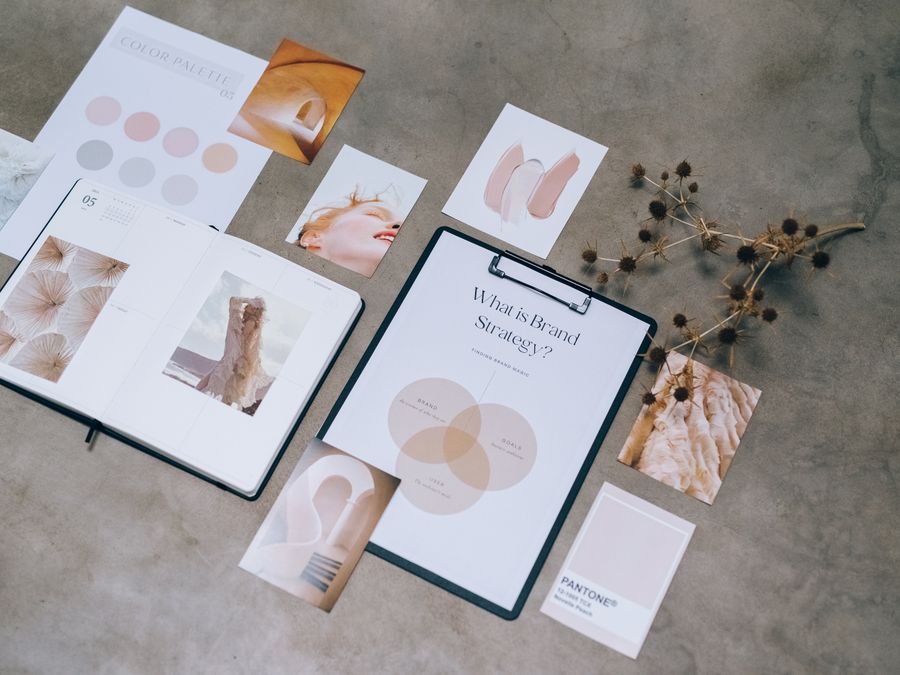
Your visual identity is the first thing people notice about your brand. It includes colors, fonts, logos, and the overall look of your content. When these elements stay consistent, people start recognizing your posts instantly, even before they read your name.
Start by choosing a color palette that reflects your personality. Are you bold and energetic? Bright colors might work well. Are you calm and professional? Softer tones could be a better fit. Pick two or three main colors and use them across all your content.
Typography matters more than you might think. The fonts you use send a message about your brand. Playful fonts suggest creativity, while clean sans-serif fonts feel modern and professional. You can explore creative fonts for your social profiles to find options that match your style.
A logo gives your brand a professional touch. It does not need to be complicated. A simple design that represents you can work wonders. You can design a logo for free using AI if you want to create something polished without hiring a designer.
Consistency is the key to visual branding. When every post, story, and profile picture follows the same visual guidelines, you build recognition over time. People scrolling quickly through their feeds will start to notice your content because it looks familiar.
Consider creating templates for your regular content types. If you post quotes, tips, or announcements, having a template ensures everything looks cohesive. This saves you time and keeps your brand looking sharp.
Your profile picture and bio are part of your visual identity too. Use a clear, high-quality photo where your face is visible. Write a bio that quickly tells people who you are and what value you provide.
Crafting Your Brand Voice and Message
Your brand voice is how you sound when you communicate. It is the personality that comes through in your captions, comments, and messages. A consistent voice helps people feel like they are getting to know a real person, not just an account.
Think about how you naturally speak. Are you funny and casual? Thoughtful and inspiring? Direct and practical? Your brand voice should feel authentic to who you actually are. Trying to be someone you are not will feel exhausting and come across as fake.
Your core message is what you want people to remember about you. It answers the question: what do you help people with or what do you stand for? This message should be clear and simple enough to explain in one sentence.
When crafting your message, think about your audience. What problems do they have? What do they care about? Your brand message should connect your expertise to their needs. This connection is what makes people want to follow you.
Learning visual storytelling techniques can help you communicate your brand message in compelling ways. Stories stick with people longer than facts alone, so weaving narratives into your content makes your brand more memorable.
Write down a few key phrases or values that define your brand. Refer back to them when creating content to make sure you stay on message. Over time, your audience will associate these ideas with you.
Choosing the Right Platforms for Your Brand
Not every social media platform is right for every personal brand. Choosing where to focus your energy can make a huge difference in your growth. It is better to do well on one or two platforms than to spread yourself thin across many.
Think about where your ideal audience spends their time. If you want to reach professionals and business owners, LinkedIn might be your best bet. If you create visual content like photos or short videos, Instagram or TikTok could be stronger choices.
Consider the type of content you enjoy creating. If you love writing long-form thoughts, platforms that support text posts work well. If you prefer quick videos, focus on platforms built for that format. Enjoying the content creation process helps you stay consistent.
When you are building a social media presence, start with one platform and master it before expanding. Learn how the algorithm works, what content performs well, and how to engage with your community there.
Each platform has its own culture and expectations. What works on one might not work on another. Take time to observe successful accounts in your niche on each platform you consider. Notice what they do well and how they adapt their content.
Once you have established yourself on one platform, you can repurpose content for others. A video you create for one platform can be edited for another. This approach lets you grow on multiple platforms without creating everything from scratch.
Creating Consistent Content That Reflects Your Brand

Content is how you show up for your audience. Every post, video, or story is a chance to reinforce your personal brand and provide value. Creating content that stays true to your brand identity builds trust and keeps people engaged.
Start by identifying content pillars. These are the main topics you will cover regularly. Having three to five pillars gives you variety while keeping your content focused. Your pillars should connect to your expertise and what your audience cares about.
Plan your content in advance when possible. Knowing what you will post next week reduces stress and helps you maintain consistency. You do not need to plan months ahead, but having a rough idea of upcoming content keeps you on track.
Tools like Adobe Express make it easier to create professional-looking graphics and videos. Using design tools helps you maintain your visual identity across all your content without needing advanced design skills.
Exploring AI-generated content for growth can help you brainstorm ideas and create content more efficiently. These tools can assist with writing captions, generating ideas, or even creating visuals, giving you more time to focus on strategy.
Video content is particularly powerful for personal branding. It lets people see your face, hear your voice, and connect with you on a deeper level. Learning how to create social media videos that drive engagement can significantly boost your growth.
Do not forget to engage with your audience through your content. Ask questions, respond to comments, and create content that invites conversation. Engagement signals to algorithms that your content is valuable, which helps more people see it.
Quality matters, but so does consistency. Posting regularly keeps you visible and helps your audience form a habit of looking for your content. Find a posting schedule you can maintain long-term rather than burning out with an unsustainable pace.
Staying Organized and Managing Your Brand

Managing a personal brand takes time and effort. Staying organized helps you maintain consistency without feeling overwhelmed. Good systems let you focus on creating great content instead of scrambling to figure out what to post.
A content calendar is one of the most useful tools for brand management. It shows you what content is planned, what is in progress, and what has been published. You can use simple spreadsheets or dedicated tools to track everything.
Tools like Notion can help you organize your content ideas, track your posting schedule, and store brand guidelines all in one place. Having everything centralized makes it easier to stay consistent.
Set aside specific times for different tasks. You might batch-create content one day, schedule posts another day, and focus on engagement at set times. This approach is more efficient than trying to do everything at once.
If you have other responsibilities like work or school, balancing social media growth with other priorities becomes essential. Create realistic schedules that fit your life rather than trying to do more than you can handle.
Review your brand regularly. Look at what content performs well, what your audience responds to, and whether your messaging still feels right. Brands can evolve over time, and periodic check-ins help you stay aligned with your goals.
Protecting and Growing Your Brand Reputation
Your reputation is one of your most valuable assets. Building trust takes time, but it can be damaged quickly if you are not careful. Protecting your brand reputation requires attention and thoughtful responses to challenges.
Be authentic in everything you share. People can sense when someone is being fake, and authenticity builds deeper connections. Share your real experiences, admit when you do not know something, and stay true to your values.
Handle criticism gracefully. Not everyone will like what you do, and that is okay. Respond to constructive feedback with openness and ignore trolls who just want to provoke a reaction. How you handle difficult situations says a lot about your character.
Learning about managing your brand reputation can help you prepare for challenges before they happen. Having a plan for how to respond to negative comments or misunderstandings keeps you calm when issues arise.
Be mindful of what you share publicly. Once something is online, it can be difficult to remove completely. Think about how your posts might be perceived by different audiences, including potential collaborators or employers.
Build relationships with others in your space. Supporting other creators and engaging genuinely with your community creates goodwill. When you have a strong network, people are more likely to defend you if problems arise.
Consistency in your actions builds trust over time. When your audience sees that you show up regularly, deliver on your promises, and treat people well, they become loyal supporters who stick with you through ups and downs.
Organic Growth Strategies That Work

Organic growth means attracting followers naturally, without paying for ads. It takes longer than paid growth, but the followers you gain are often more engaged and loyal. Strong personal branding is the foundation that makes organic growth possible.
Engagement is crucial for organic growth. Respond to comments on your posts, engage with content from others in your niche, and participate in conversations. The more you engage, the more visible you become to potential followers.
Collaborations can accelerate your growth significantly. Partnering with other creators exposes you to their audience. Look for people whose values align with yours and whose audience might be interested in what you offer.
Create shareable content that provides value. When people find your content helpful, entertaining, or inspiring, they share it with others. This word-of-mouth effect is one of the most powerful ways to grow organically.
Use hashtags and keywords strategically to help new people discover your content. Research what terms your target audience searches for and incorporate them naturally into your posts.
If you want additional support for your growth efforts, exploring trusted Instagram growth services can provide resources and strategies to complement your organic efforts.
Be patient with organic growth. Building a genuine audience takes time, but the relationships you form are more valuable than inflated follower counts. Focus on providing value consistently, and growth will follow.
Track your progress and celebrate small wins. Notice when engagement increases, when you gain new followers, or when someone shares your content. These milestones show that your personal branding efforts are working.
Personal branding social media growth is not about becoming famous overnight. It is about building something sustainable that reflects who you are and attracts people who genuinely connect with your message. With patience, consistency, and authenticity, you can grow an audience that supports you for the long term.
