

Running a business that serves customers in different parts of the world comes with unique challenges. One of the biggest is figuring out how to connect with audiences who speak different languages, live in different time zones, and respond to different cultural trends. For many brands, the solution is managing Instagram accounts across multiple countries, with each account tailored to a specific region or market.
This approach lets you speak directly to local audiences in ways that feel personal and relevant. But it also introduces complexity. You need to handle multiple logins, coordinate content across time zones, avoid platform restrictions, and keep your brand consistent while still adapting to local preferences. The good news is that with the right tools and strategies, you can manage this process smoothly and grow your international presence effectively.
In this guide, we will walk through everything you need to know about running Instagram accounts for different countries. From understanding why this approach works to choosing the right tools and protecting your accounts, you will find practical advice you can put into action right away.
Why Businesses Need Multiple Instagram Accounts for Different Countries
When you expand into new markets, a single global Instagram account often falls short. People in France, Brazil, and Japan have different expectations, speak different languages, and engage with content at different times. A one-size-fits-all approach can leave your audience feeling disconnected from your brand.
Creating separate accounts for each country or region allows you to customize your content for local audiences. You can post in the local language, reference cultural events and holidays that matter to that market, and share content that resonates with regional trends. This level of personalization builds stronger connections and makes your brand feel more approachable.
Time zones also play a major role. When you post content matters almost as much as what you post. An account dedicated to the German market can share content during peak hours in Berlin, while your account for Australia posts when people in Sydney are most active. This targeted timing helps your posts reach more people when they are actually online and ready to engage.
Regional accounts also help with social media visibility strategies because local content tends to perform better in local search results and explore feeds. Instagram’s algorithm favors content that resonates with specific audiences, so localized posts often see higher engagement rates than generic global content.
Additionally, separate accounts let you run region-specific promotions, partner with local influencers, and respond to customer inquiries in the appropriate language. All of these factors contribute to a more effective international marketing strategy. Running this many distinct accounts well means each one needs to genuinely operate as its own presence, not just a different login on the same device — which is where Multilogin for multiple Instagram accounts comes in. It’s a cloud phone platform for social media marketers that runs each country account on its own real Android device rather than a shared browser, so device-level signals like sensor data and app behavior stay genuine to that account instead of overlapping with the others. There’s a free plan for smaller setups (5 profiles, no time limit, no credit card required), with paid plans scaling as you add more countries and accounts.Additionally, separate accounts let you run region-specific promotions, partner with local influencers, and respond to customer inquiries in the appropriate language. All of these factors contribute to a more effective international marketing strategy.
Common Challenges When Managing Accounts Across Regions

While the benefits of regional accounts are clear, managing them comes with real obstacles. Understanding these challenges upfront helps you prepare solutions before problems arise.
One of the most common issues is login restrictions. Instagram monitors account activity closely, and logging into multiple accounts from the same device or IP address can trigger security alerts. If the platform detects unusual login patterns, it may temporarily lock accounts or require additional verification. This becomes especially tricky when team members in different countries need access to the same accounts.
IP flags present another hurdle. When you log into an account that is supposed to be based in Germany from an IP address in the United States, Instagram may view this as suspicious activity. Repeated instances can lead to account restrictions or even permanent bans in severe cases.
Content scheduling across time zones adds another layer of complexity. Keeping track of optimal posting times for each market requires careful planning. Without a solid system, you might accidentally post content at 3 AM local time when your audience is asleep, wasting the potential reach of your posts.
Maintaining consistent branding while adapting to local markets is a balancing act. You want each regional account to feel like part of the same brand family while still speaking to local audiences in authentic ways. This requires clear brand guidelines and good communication between teams.
Account managers also need to understand Instagram notification behavior and other platform mechanics to avoid mistakes that could affect account health or user experience. Small errors can add up when you are managing multiple accounts simultaneously.
Using Proxies to Manage Multiple Country Accounts Safely
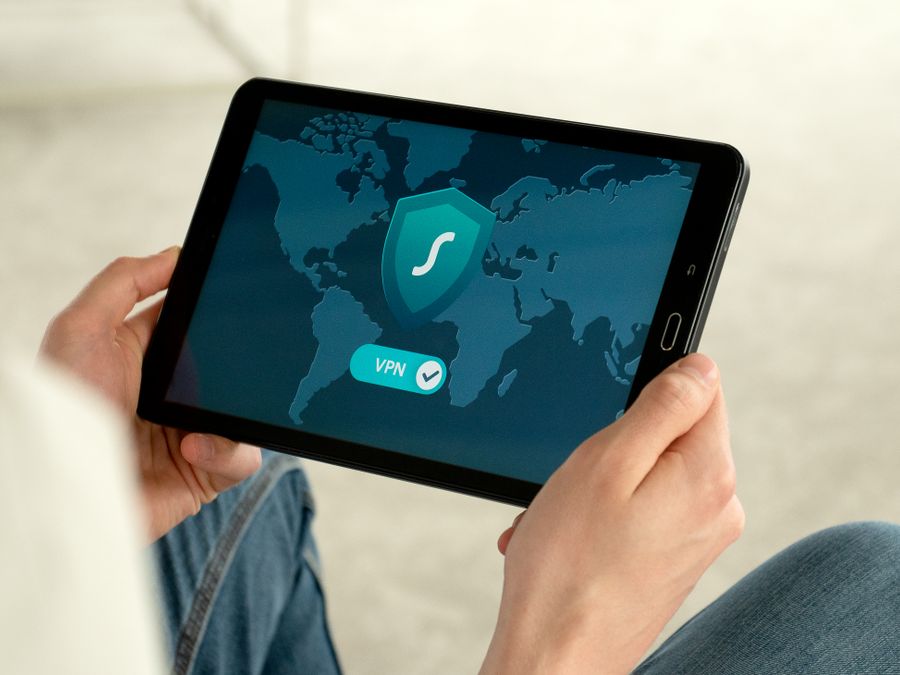
Proxies are one of the most important tools for anyone managing Instagram accounts across multiple countries. A proxy acts as an intermediary between your device and the internet, masking your real IP address and making it appear as though you are connecting from a different location.
When you use a proxy, you can log into your German account from a German IP address, your Brazilian account from a Brazilian IP address, and so on. This helps you avoid the suspicious login patterns that can trigger account flags. Each account appears to be accessed from its home country, which is exactly what Instagram expects to see.
There are different types of proxies available, and choosing the right one matters. Residential proxies use IP addresses assigned to real homes, making them harder for platforms to detect. Datacenter proxies are faster but may be more easily identified as proxy traffic. For social media management, mobile proxies for social media are often the best choice because they use IP addresses from mobile carriers, which closely mimic normal user behavior.
When selecting a proxy provider, look for services that offer locations in all the countries where you operate accounts. Reliability and speed are also important since slow connections can make account management frustrating. Providers like Proxys.io offer options for social media users who need consistent, location-specific connections.
You can also explore proxy services for social media scaling to find solutions designed specifically for managing multiple accounts. These services often include features like rotating IP addresses and dedicated support for social media use cases.
Keep in mind that while proxies help you manage accounts safely, they should be used responsibly. Always follow Instagram’s terms of service and avoid any activities that could be considered spam or manipulation.
Best Tools for Scheduling and Managing Multiple Accounts
Managing several Instagram accounts manually is time-consuming and prone to errors. Fortunately, there are excellent tools designed specifically for multi-account management. These platforms let you schedule posts, monitor engagement, and coordinate content across all your regional accounts from a single dashboard.
Hootsuite is one of the most popular options for managing multiple social media accounts. It allows you to schedule posts in advance, monitor mentions and comments, and track performance metrics across all your accounts. The calendar view makes it easy to see what content is going out and when, which is essential when coordinating posts across different time zones.
Buffer offers a clean, user-friendly interface that many teams find easier to navigate. It supports scheduling for multiple accounts and provides analytics to help you understand which posts perform best. Buffer is particularly good for teams that want a straightforward tool without a steep learning curve.
For businesses that need more comprehensive features, Sprout Social provides advanced analytics, social listening capabilities, and team collaboration tools. It is well-suited for larger organizations that need detailed reporting and the ability to assign tasks to different team members.
Meta Business Suite is the official tool from Meta for managing Instagram business accounts. Since it comes directly from the platform owner, it integrates seamlessly with Instagram and Facebook. You can schedule posts, respond to messages, and view insights all in one place. For businesses that primarily use Meta platforms, this is a natural choice.
Beyond these dedicated platforms, you might also consider automation tools for social media that can help streamline repetitive tasks. Automation can save significant time when you are managing accounts across multiple time zones and need to maintain consistent posting schedules.
When choosing a tool, consider factors like the number of accounts you need to manage, your budget, the features your team needs most, and how easy the platform is to learn. Many of these tools offer free trials, so you can test them before committing.
Creating Localized Content for Each Market

Having separate accounts for different countries only works if you fill them with content that actually resonates with local audiences. This means going beyond simple translation and truly adapting your message for each market.
Language is the most obvious consideration. While translation tools have improved dramatically, they still miss nuances that native speakers catch immediately. Whenever possible, work with native speakers or professional translators who understand the local dialect and slang. A phrase that sounds natural in Spain might feel awkward in Mexico, even though both countries speak Spanish.
Cultural references matter just as much as language. Holidays, sports events, local celebrities, and current events vary widely between countries. Content that references the Super Bowl will resonate in the United States but fall flat in Germany, where football means something entirely different. Research what matters to your audience in each market and create content that speaks to those interests.
Visual preferences can also differ between regions. Color associations, imagery styles, and even the types of photos that perform well vary across cultures. Pay attention to what local competitors and influencers post to get a sense of what works in each market.
To understand what is trending in each region, you can search Instagram accounts and hashtags that are popular in your target markets. This research helps you identify local trends, discover relevant hashtags, and find potential collaboration partners.
Consider creating a content calendar for each market that accounts for local holidays, events, and seasonal trends. What works in the Northern Hemisphere during summer will not make sense for audiences in Australia experiencing winter at the same time.
Finally, encourage local engagement by asking questions, running polls, and responding to comments in the local language. This interaction builds community and shows your audience that you genuinely care about connecting with them.
Protecting Your Accounts and Maintaining Security
When you manage multiple Instagram accounts across different countries, security becomes even more important. A breach in one account could affect your entire international operation, and recovering compromised accounts can be difficult and time-consuming.
Start with strong, unique passwords for each account. Avoid using the same password across multiple accounts, as this creates a single point of failure. Password managers can help you generate and store complex passwords securely.
Enable two-factor authentication on every account. This adds an extra layer of protection by requiring a code from your phone or authentication app in addition to your password. Even if someone obtains your password, they cannot access the account without this second factor.
Be careful about who has access to your accounts. Limit login credentials to team members who genuinely need them, and use role-based access when possible. Many management tools allow you to grant different permission levels, so you can give some team members the ability to create content while restricting who can change account settings.
Understanding account verification and protection is essential for business accounts that represent your brand in different markets. Verified accounts have an extra layer of credibility and may receive additional protection from the platform.
Regularly review your account activity and connected apps. Remove any third-party apps that you no longer use, as these can become security vulnerabilities if they are compromised. Keep an eye out for any unusual activity, such as posts you did not create or messages you did not send.
Create a response plan for security incidents. Know who to contact, what steps to take, and how to communicate with your audience if something goes wrong. Being prepared can minimize damage and help you recover more quickly.
Tracking Performance and Revenue Across Countries
Running multiple regional accounts means you need to track performance separately for each market. What works in one country may not work in another, and understanding these differences helps you optimize your strategy over time.
Instagram Insights provides basic analytics for business accounts, including reach, engagement, and follower demographics. Review these metrics regularly for each account to understand how your content performs in different markets. Look for patterns in what types of posts generate the most engagement and when your audience is most active.
Third-party analytics tools can provide deeper insights and make it easier to compare performance across accounts. Many of the scheduling tools mentioned earlier include analytics features that aggregate data from multiple accounts into unified reports.
Beyond engagement metrics, track how your Instagram presence contributes to business goals. This might include website traffic from Instagram, leads generated, or direct sales. Use UTM parameters in your links to track which accounts and posts drive the most valuable traffic.
For businesses that generate revenue from international Instagram operations, using financial tools for social media businesses can help you track income and expenses by region. This visibility is important for understanding which markets are most profitable and where to invest more resources.
Set benchmarks for each market based on local conditions. A newer account in a smaller market will naturally have different metrics than an established account in a larger market. Compare each account against its own historical performance rather than expecting identical results across all regions.
Tips for Building a Multi-Country Instagram Strategy
Successfully managing Instagram accounts across multiple countries requires ongoing attention and continuous improvement. Here are practical tips to help you build and maintain an effective international strategy.
Start with your most important markets. Rather than launching accounts in every country at once, focus on the regions where you have the strongest business presence or the greatest growth potential. Master those markets before expanding further.
Document your processes. Create clear guidelines for content creation, posting schedules, and account management. This documentation helps maintain consistency and makes it easier to onboard new team members.
Build local teams or partnerships when possible. People who live in a market understand it better than anyone. Whether you hire local social media managers or partner with agencies in each region, local expertise improves your content quality and audience connection.
Stay flexible and adapt to what the data tells you. If certain content types perform better in specific markets, adjust your strategy accordingly. What you learn from one market might also provide insights that help you improve in others.
Keep communication flowing between teams managing different accounts. Regular check-ins help share learnings, coordinate campaigns, and maintain brand consistency across regions.
Finally, stay updated on Instagram’s features and policies. The platform regularly introduces new tools and changes its algorithms. Being aware of these updates helps you take advantage of new opportunities and avoid potential issues.
Managing Instagram accounts across multiple countries is a significant undertaking, but the rewards are worth the effort. By connecting with local audiences in meaningful ways, you can build a truly global brand presence that drives engagement and business results in every market you serve.
