



Social media feeds move fast. Every second, countless posts compete for attention, and most of them get scrolled past without a second glance. So what makes someone stop, look, and actually engage with your content? More often than not, it comes down to one thing: visuals.
Visual storytelling social media is not just a trendy phrase. It describes a powerful approach that helps brands, creators, and businesses connect with their audiences in meaningful ways. When you combine compelling images, videos, and graphics with a clear message, you create content that people remember. You give them a reason to follow, share, and come back for more.
This guide will walk you through everything you need to know about visual storytelling on social media. You will learn why visuals work so well, what types of content drive growth, and how to create a consistent visual brand. Whether you are just starting out or looking to improve your current approach, these practical tips will help you tell better stories and grow your presence online.
What Is Visual Storytelling on Social Media?
Visual storytelling is the practice of using images, videos, graphics, and other visual elements to communicate a message or share an experience. Instead of relying only on words, you let visuals do much of the heavy lifting. On social media, this approach is especially effective because platforms are designed around visual content.
Think about how you scroll through your own feed. You probably pause on a striking photo, an interesting video thumbnail, or a colorful graphic before you read any text. That is visual storytelling at work. It grabs attention first, then invites the viewer to learn more.
Visual storytelling differs from text-based content in several important ways. Text posts require readers to invest time and mental energy to process words. Visuals, on the other hand, communicate instantly. A single image can convey emotion, context, and meaning in a fraction of a second. This makes visual content ideal for the fast-paced nature of social media.
When you develop a social media strategy for brands, visual storytelling should be a core component. It helps you stand out in crowded feeds, communicate your brand personality, and build emotional connections with your audience. Whether you are sharing behind-the-scenes moments, showcasing products, or educating your followers, visuals make your message more memorable and shareable.
Why Visuals Capture Attention Better Than Text
The human brain is wired to process visual information quickly. When you see an image, your brain can interpret it almost instantly. Text, by comparison, requires more time and effort to decode. This biological reality explains why visuals are so effective at stopping the scroll.
On social media, you have only a split second to capture someone’s attention. As users swipe through their feeds, they make rapid decisions about what deserves their time. A well-crafted visual can interrupt that automatic scrolling behavior and draw someone into your content.
Visuals also trigger emotional responses more easily than text. A photo of a smiling face, a dramatic landscape, or a mouth-watering meal creates an immediate feeling. These emotional reactions make people more likely to engage with your post through likes, comments, and shares.
If you want to improve social media engagement, focusing on visual quality is one of the most effective strategies. Posts with strong visuals consistently outperform text-only content. They get more views, more interactions, and more reach. This is true across virtually every social platform, from Instagram and TikTok to Facebook and LinkedIn.
Beyond grabbing attention, visuals also help with information retention. People remember visual content much better than they remember written content. When you pair your message with a relevant image or video, your audience is more likely to recall your brand and your key points later.
Types of Visual Content That Drive Growth

Not all visual content is created equal. Different formats serve different purposes and perform differently across platforms. Understanding your options helps you choose the right approach for your goals and audience.
Photos and Images
Photos remain one of the most popular forms of visual content. They are easy to create, quick to consume, and highly shareable. Product photos, lifestyle shots, behind-the-scenes images, and user-generated photos all help tell your brand story. The key is to use high-quality images that feel authentic rather than overly staged or generic.
Videos
Video content has exploded in popularity across social platforms. Short-form videos, in particular, have become essential for growth. Videos allow you to demonstrate products, share tutorials, tell longer stories, and showcase personality in ways that static images cannot. If you want to explore this format without spending hours on production, consider creating AI videos for social media to streamline your workflow.
Reels and Short-Form Content
Platforms like Instagram, TikTok, and YouTube Shorts have made short-form video a dominant format. These quick, engaging clips are perfect for capturing attention and reaching new audiences. Many brands have found success using product reels in social media marketing to showcase their offerings in creative, entertaining ways.
Graphics and Illustrations
Custom graphics, infographics, and illustrations help you present information in visually appealing ways. They are especially useful for sharing tips, statistics, quotes, and educational content. Animated graphics add an extra layer of interest and can help your posts stand out. You can find resources for graphic illustration that offer animated styles to make your content more dynamic.
Carousels and Slideshows
Multi-image posts and carousels encourage users to swipe through your content, increasing time spent with your brand. They work well for step-by-step guides, before-and-after comparisons, and storytelling sequences. This format is particularly effective on Instagram and LinkedIn.
How to Build a Visual Brand Identity
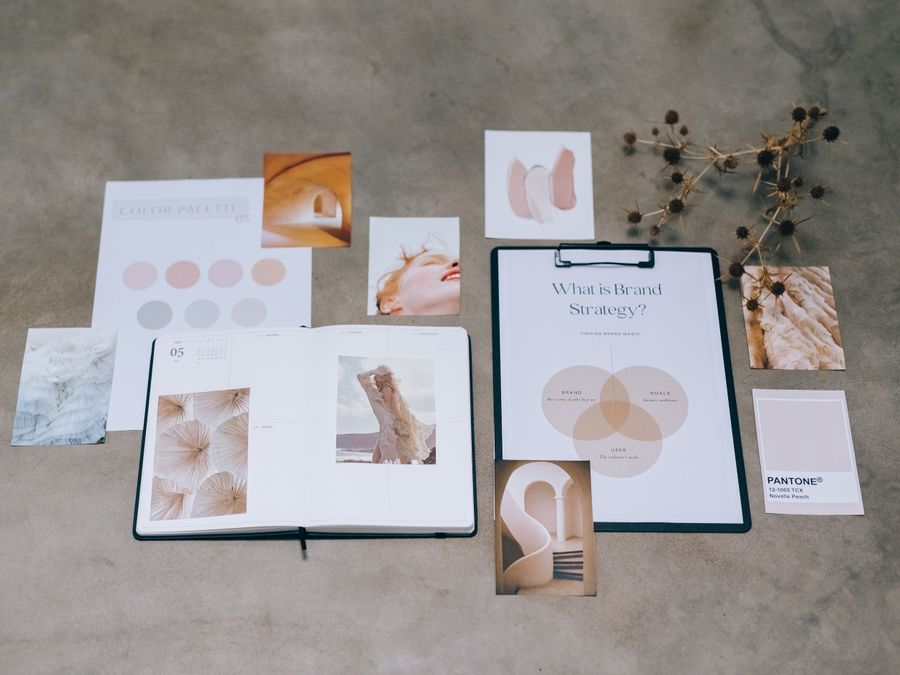
Consistency is one of the most important factors in building a recognizable brand on social media. When your visual content follows a cohesive style, people start to recognize your posts even before they see your name. This recognition builds trust and makes your brand more memorable.
Choose Your Color Palette
Select a set of colors that represent your brand and use them consistently across your content. Your color palette should reflect your brand personality. Bright, bold colors might work for a fun, energetic brand, while muted tones could suit a more sophisticated or calming presence. Stick to your chosen colors in graphics, text overlays, and even the overall mood of your photos.
Define Your Typography
The fonts you use in graphics and videos contribute to your visual identity. Choose one or two fonts that align with your brand style and use them consistently. Using creative fonts for social media profiles can help your content feel more polished and distinctive.
Establish a Visual Style
Beyond colors and fonts, think about the overall look and feel of your content. Do you prefer bright and airy photos or moody and dramatic ones? Do you use lots of white space or busy, detailed compositions? Defining these preferences helps you maintain consistency.
Gather Inspiration
Creating a mood board can help you clarify your visual direction. Collect images, colors, and design elements that inspire you and reflect the feeling you want your brand to convey. Pinterest is an excellent platform for gathering visual inspiration and organizing mood boards that guide your content creation.
Create Templates
Templates save time and ensure consistency. Design templates for your most common content types, such as quote graphics, promotional posts, and story layouts. When you use templates, your content automatically maintains your visual brand identity.
Tools for Creating Visual Content

You do not need to be a professional designer to create beautiful visual content. Many accessible tools make it easy for anyone to produce professional-looking graphics, videos, and images. Here are some options to consider.
Design Platforms
For creating graphics, social media posts, and simple videos, Canva is a popular choice that offers a beginner-friendly interface with thousands of templates. You can create everything from Instagram posts to presentations without any design experience. Another excellent option is Adobe Express, which provides quick and easy tools for creating visual content with professional polish.
Stock Photo Resources
High-quality images are essential for visual storytelling, but not everyone has the time or resources to shoot original photos. Stock photo sites offer a solution. Unsplash provides a vast library of free, high-resolution photos that you can use in your social media content without worrying about licensing fees.
Video Editing Apps
For video content, many mobile apps make editing simple. Most smartphones now include basic video editing features, and apps like CapCut offer more advanced options for adding effects, text, and transitions. These tools help you create polished videos without expensive software or extensive training.
Photo Editing Software
Enhancing your photos can make a big difference in how they perform on social media. Apps like Lightroom Mobile, Snapseed, and VSCO offer powerful editing features that help you adjust lighting, colors, and composition. Consistent editing styles contribute to your visual brand identity.
Animation and Motion Graphics
Adding movement to your content can increase engagement. Simple animation tools allow you to create eye-catching motion graphics without advanced skills, and an AI animation generator can make it easier to bring static ideas to life with motion. Even subtle animations, like text that fades in or elements that move slightly, can make your posts more dynamic.
Pairing Visuals with Strong Captions
While visuals grab attention, captions complete the story. The best social media content combines compelling imagery with thoughtful text that adds context, personality, and a clear call to action. Visuals and captions work together as a team.
Your caption should complement your visual, not repeat exactly what the image already shows. If your photo shows a beautiful sunset, your caption might share the story behind the moment, ask a question about favorite travel memories, or connect the image to a broader theme. This combination gives your audience more reasons to engage.
Writing captivating social media captions takes practice, but a few principles can help. Start with a hook that draws readers in. Keep your language conversational and authentic. Include a clear call to action when appropriate, whether that is asking a question, encouraging comments, or directing people to a link.
The length of your caption depends on the platform and your content. Instagram allows for longer captions that can tell detailed stories, while Twitter requires brevity. Match your caption style to the platform and the expectations of your audience.
Do not forget about accessibility. Adding alt text to your images and describing visual content in your captions helps people who use screen readers engage with your posts. This practice also demonstrates that you care about including everyone in your community.
Using Visual Storytelling to Sell Without Being Pushy
One of the biggest challenges brands face on social media is promoting products without alienating their audience. Nobody wants to follow an account that feels like a constant advertisement. Visual storytelling offers a solution by allowing you to showcase products in natural, engaging ways.
Instead of simply posting product photos with prices, tell stories around your products. Show them being used in real-life situations. Share the story of how a product was created or the problem it solves. Feature real customers enjoying your offerings. These approaches feel more authentic and less salesy.
Lifestyle imagery is particularly effective for this purpose. Rather than photographing a product against a plain background, place it in a context that helps viewers imagine owning and using it. A coffee mug looks more appealing when it is shown in a cozy morning scene than when it sits alone on a white surface.
Creating a visual sales pitch on social media requires balancing promotional content with value-driven posts. Follow the principle of giving more than you ask. Share helpful tips, entertaining content, and inspiring stories alongside your promotional posts. When you do promote, your audience will be more receptive because you have built goodwill.
User testimonials and reviews also make excellent visual content. Screenshots of positive comments, photos of happy customers, and video testimonials all provide social proof while telling authentic stories about your brand.
Encouraging Your Audience to Share Visual Stories

Some of the most powerful visual storytelling comes not from brands themselves but from their communities. User-generated content, or UGC, extends your reach and builds trust in ways that branded content cannot. When real people share their experiences with your brand, it carries more weight than any marketing message.
Encouraging your audience to create and share visual content requires intentional effort. Start by making it easy for people to participate. Create a branded hashtag that customers can use when posting about your products. Feature user content on your own channels to show appreciation and inspire others to contribute.
Running contests and challenges is another effective way to generate UGC. Ask followers to share photos or videos related to a specific theme, and offer incentives for participation. These campaigns create excitement and produce a wealth of authentic content you can repurpose.
Building community UGC on social media strengthens the relationship between your brand and your audience. When people see their content featured by a brand they love, they feel valued and connected. This emotional bond turns casual followers into loyal advocates.
Always ask permission before reposting user content and give proper credit when you share it. This respectful approach encourages more people to participate and protects you from potential issues. Many users are thrilled to have their content featured, but asking first shows that you value their contribution.
Consider creating opportunities specifically designed to generate shareable moments. If you have a physical location, design Instagram-worthy spaces that visitors will want to photograph. If you sell products, include packaging details that encourage unboxing videos. Think about what would make someone want to capture and share their experience with your brand.
Getting Started with Visual Storytelling Today
Visual storytelling social media is not reserved for big brands with large budgets. Anyone can start creating compelling visual content with the tools and knowledge available today. The key is to begin with intention and improve over time.
Start by auditing your current content. Look at your recent posts and identify which ones performed best. Chances are, your most successful content includes strong visual elements. Use these insights to guide your future content creation.
Define your visual brand identity, even if it is simple at first. Choose a few colors, a consistent editing style, and a general aesthetic direction. You can refine these choices as you learn what resonates with your audience.
Experiment with different visual formats. Try photos, videos, graphics, and carousels to see what works best for your audience and your message. Pay attention to engagement metrics and feedback to understand what your followers enjoy most.
Plan your content in advance. Creating a content calendar helps you maintain consistency and ensures you have a good mix of content types. Batch-creating visuals saves time and helps you maintain quality.
Most importantly, focus on authenticity. The most effective visual storytelling feels genuine and human. Share real moments, real stories, and real value. Your audience can tell the difference between content that comes from a place of connection and content that feels manufactured.
Visual storytelling is a skill that improves with practice. Every post is an opportunity to learn what works and refine your approach. Start where you are, use the tools available to you, and commit to telling stories that matter to your audience. Over time, your visual content will become a powerful driver of growth and connection on social media.
