


You’ve spent months building your Instagram following. Your posts get likes, comments, and shares. But here’s the question that keeps many creators and business owners up at night: how do you turn all that engagement into actual sales?
The answer lies in Instagram PPC audiences. Pay-per-click advertising on Instagram lets you put your content directly in front of the people most likely to buy from you. And the best part? You can target the followers who already know and trust your brand.
This guide walks you through everything you need to know about creating Instagram PPC audiences that convert. We’ll cover the basics of paid targeting, show you how to set up campaigns, and share practical tips for turning your engaged followers into paying customers.
What Are Instagram PPC Audiences?
Instagram PPC audiences are groups of people you choose to show your paid ads to. PPC stands for pay-per-click, which means you pay each time someone clicks on your ad. Unlike organic posts that reach people based on the algorithm, paid ads let you decide exactly who sees your content.
When you post organically on Instagram, the platform decides who sees your content. Your post might reach some of your followers, or it might get shown to new people if it performs well. You don’t have much control over this process.
With PPC advertising, you take control. You can choose to show your ads to people based on their age, location, interests, behaviors, and much more. You can even target people who have already interacted with your business in some way.
Instagram advertising works through the Meta advertising system, which also powers Facebook ads. This means you get access to powerful targeting tools that help you reach the right people. Understanding the differences between Facebook vs Instagram ads can help you decide where to focus your budget for the best results.
The key difference between organic reach and paid reach comes down to control and predictability. Organic reach is free but unpredictable. Paid reach costs money but lets you choose exactly who sees your message and when they see it.
Instagram PPC audiences give you the power to put your products or services in front of people who are most likely to be interested. This targeted approach often leads to better results than hoping the algorithm works in your favor.
Why Your Followers Make the Best PPC Audience
Your existing followers are often your most valuable advertising audience. These people have already chosen to follow you, which means they’re interested in what you offer. They’ve seen your content, engaged with your posts, and built some level of trust with your brand.
When you show ads to cold audiences who have never heard of you, you need to work harder to get their attention. You have to introduce yourself, explain what you do, and convince them to care. This takes time and often costs more money.
With followers, you skip much of this work. They already know who you are. They’ve seen your style, your values, and your products. When your ad appears in their feed, it feels familiar rather than intrusive.
This familiarity often leads to better conversion rates. People are more likely to buy from brands they recognize and trust. Your followers have already taken the first step by choosing to follow you. Advertising to them helps push them toward the next step: making a purchase.
Of course, you need to build a loyal Instagram audience before you can advertise to them effectively. The quality of your follower base matters more than the quantity. Engaged followers who genuinely care about your content will respond better to your ads than inactive accounts.
Think of your followers as warm leads. They’re not strangers you’re trying to convince from scratch. They’re people who have already shown interest in what you do. Your ads just need to give them a reason to take action.
Setting Up Your Instagram PPC Campaign
Creating your first Instagram PPC campaign might seem complicated, but the process is straightforward once you understand the basics. All Instagram advertising happens through the Meta advertising platform, which gives you access to powerful tools for reaching your audience.
Before you can run ads, you need a business account on Instagram. If you’re still using a personal account, you’ll need to start an Instagram business account first. This gives you access to advertising features and helpful analytics about your audience.
Once your business account is ready, you’ll create and manage your campaigns through Meta Ads Manager. This is where you’ll set your budget, choose your audience, design your ads, and track your results.
Here’s a simple overview of the campaign setup process:
- Choose your objective: What do you want people to do when they see your ad? Options include visiting your website, making a purchase, or sending you a message.
- Define your audience: Select who should see your ads based on demographics, interests, behaviors, or custom audience lists.
- Set your budget: Decide how much you want to spend daily or over the lifetime of your campaign.
- Create your ad: Design the visual content and write the copy that will appear in people’s feeds.
- Choose placements: Select where your ads will appear, including Instagram feed, Stories, Reels, and Explore.
Start with a small budget while you learn how the platform works. You can always increase your spending once you see what performs well. Testing different audiences and ad formats helps you find what works best for your specific business.
Types of Instagram PPC Audiences You Can Target
Instagram offers several different audience types for your PPC campaigns. Understanding these options helps you choose the right targeting strategy for your goals.
Custom Audiences
Custom audiences let you target people who have already interacted with your business. You can create audiences based on people who visited your website, engaged with your Instagram profile, watched your videos, or appear on your customer email list.
These audiences are powerful because they include people who already know you. Someone who visited your product page last week is more likely to buy than a complete stranger. Custom audiences help you reconnect with these warm prospects.
Saved Audiences
Saved audiences let you define a group of people based on demographics and interests. You can target people by age, gender, location, language, and detailed interests like hobbies, favorite brands, or life events.
This option works well when you want to reach new people who match your ideal customer profile. If you sell fitness equipment, for example, you might target people interested in working out, healthy eating, or specific sports.
Lookalike Audiences
Lookalike audiences help you find new people who are similar to your existing customers. The platform analyzes your best customers and finds other users who share similar characteristics. You can learn more about how lookalike audiences work to expand your reach effectively.
This targeting method combines the reach of cold audiences with the relevance of warm audiences. You’re reaching new people, but they’re people who look like the customers who already buy from you.
Finding high-intent followers becomes easier when you understand how to combine these audience types. Many successful advertisers layer different targeting options to create highly specific audience segments.
Using Tracking to Build Better Audiences
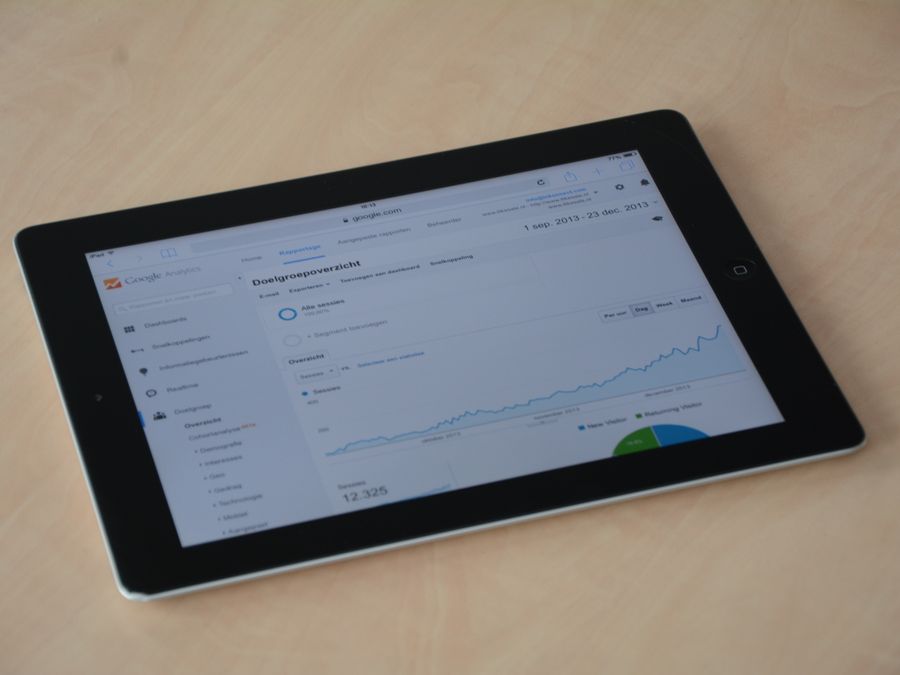
Website tracking is one of the most powerful tools for building effective Instagram PPC audiences. When you track what visitors do on your website, you can create custom audiences based on their behavior and show them relevant ads.
The Meta Pixel is a small piece of code you add to your website. It tracks when people visit your site, view specific products, add items to their cart, or make purchases. This information flows back to the advertising platform, letting you create audiences based on these actions.
Here’s why tracking matters for your PPC campaigns:
- Retargeting: Show ads to people who visited your website but didn’t buy. These people were interested enough to visit, so a reminder ad might bring them back.
- Exclude buyers: Stop showing ads to people who already purchased. This saves money and prevents annoying your customers.
- Find similar people: Use your website visitor data to create lookalike audiences of people who behave similarly online.
- Track conversions: See which ads actually lead to sales, not just clicks. This helps you spend your budget on what works.
Setting up tracking takes some technical work, but the benefits are worth it. Without tracking, you’re guessing which ads perform best. With tracking, you have real data to guide your decisions.
Many businesses find that retargeting campaigns deliver some of their best results. Someone who abandoned their cart is often just one reminder away from completing their purchase.
Creating Ads That Convert Followers to Customers
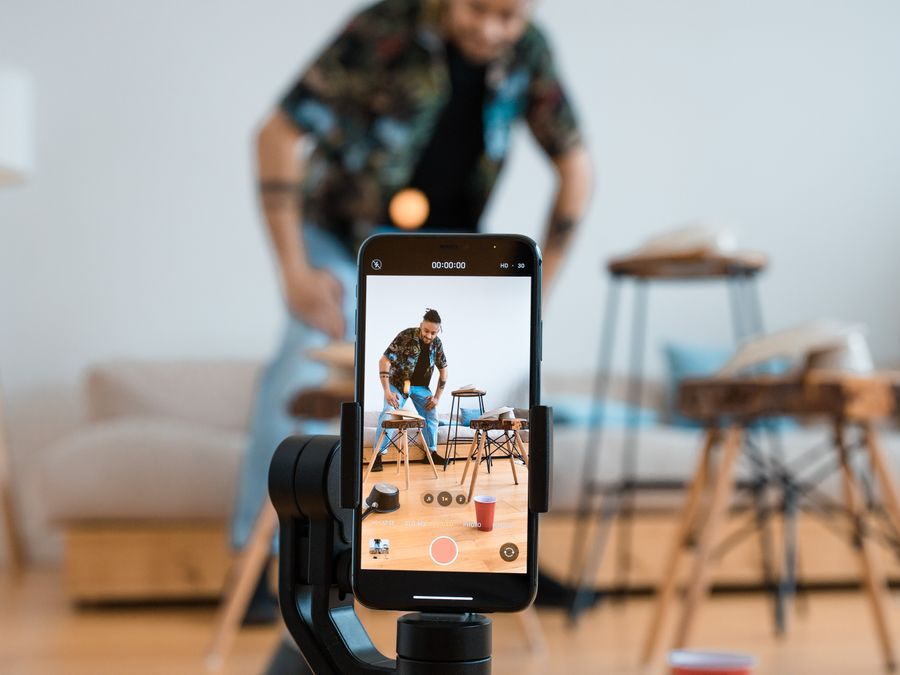
Having the right audience is only half the battle. You also need ads that grab attention and inspire action. The best Instagram PPC campaigns combine smart targeting with compelling creative content.
Your ad creative should feel natural in the Instagram feed. People scroll quickly, so you have just a moment to catch their eye. Bright colors, clear images, and simple messages tend to perform well.
Here are some practical tips for creating effective ads:
- Show your product in action: People want to see how your product fits into their lives. Lifestyle images often outperform plain product shots.
- Keep text minimal: Instagram is a visual platform. Let your images do most of the talking and save detailed explanations for your landing page.
- Include a clear call to action: Tell people exactly what you want them to do. Shop now, learn more, or sign up are all clear directions.
- Test different formats: Try single images, carousels, and video ads to see what resonates with your audience.
Your organic content strategy can inform your paid ads. The posts that get the most engagement organically often make good starting points for ads. Review your Instagram marketing tips to see what content already works well with your audience.
Quality visuals matter for ad performance. If you need professional-looking images, free resources like unsplash.com/photos/white-and-blue-labeled-book offer high-quality photos you can use in your creative work.
Remember that your followers already know your brand voice. Ads that feel consistent with your regular content tend to perform better than ads that feel like they came from a different company.
Learning From Other Industries
Instagram advertising principles apply across many different industries. Looking at how other businesses approach PPC can give you fresh ideas for your own campaigns.
The Instagram economy includes businesses of all sizes and types. From fashion brands to service providers, successful advertisers share common strategies that work across different niches.
Consider how businesses in completely different fields handle audience targeting. For example, SCUBE Marketing’s auto parts PPC campaigns demonstrate how specific audience segmentation can improve results even in technical industries. The same principles of knowing your customer and targeting precisely apply to Instagram advertising.
Here are some cross-industry lessons worth considering:
- Segment your audiences: Different customer groups respond to different messages. Create separate campaigns for different audience segments.
- Focus on benefits, not features: People care about what your product does for them, not technical specifications.
- Use social proof: Reviews, testimonials, and user-generated content build trust with new audiences.
- Test constantly: What works today might not work tomorrow. Successful advertisers always test new approaches.
Don’t limit yourself to studying only competitors in your exact niche. Some of the best advertising ideas come from completely unrelated industries.
Measuring Your PPC Audience Performance
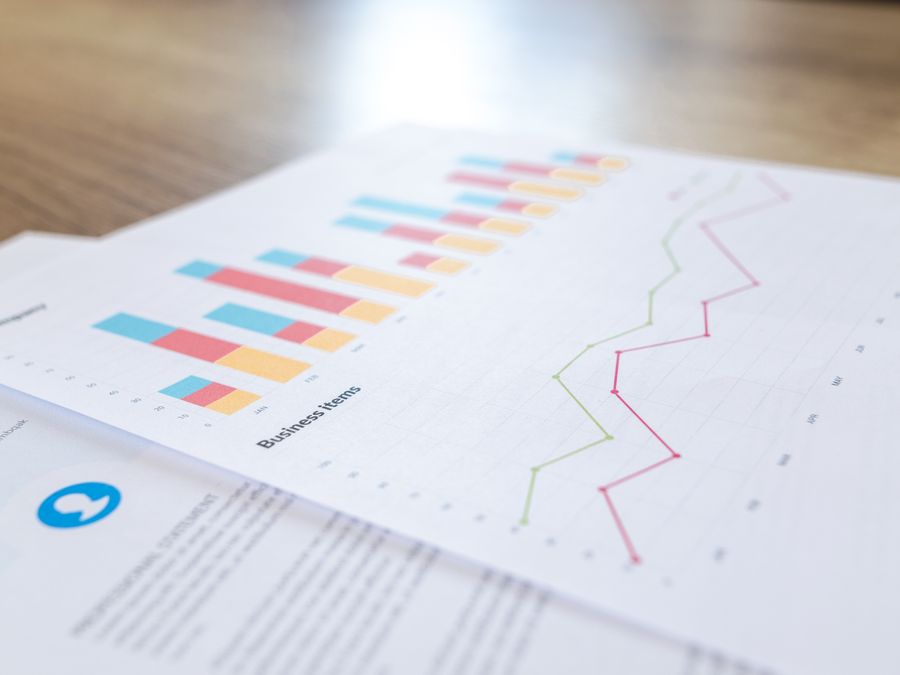
Running ads without measuring results is like driving with your eyes closed. You need to track performance to understand what’s working and what needs improvement.
Several key metrics help you evaluate your Instagram PPC audiences:
- Click-through rate (CTR): The percentage of people who click your ad after seeing it. Higher rates suggest your ad resonates with your audience.
- Cost per click (CPC): How much you pay for each click. Lower costs mean your budget goes further.
- Conversion rate: The percentage of clickers who take your desired action, like making a purchase.
- Return on ad spend (ROAS): How much revenue you generate for every dollar spent on ads.
- Cost per acquisition (CPA): How much it costs to acquire each new customer through your ads.
Different audiences will show different performance patterns. Your follower-based custom audiences might have higher conversion rates but smaller reach. Lookalike audiences might reach more people but convert at lower rates.
Understanding the connection between Instagram growth and revenue helps you set realistic expectations for your campaigns. Not every follower will become a customer, but tracking your numbers helps you improve over time.
Review your metrics regularly and make adjustments based on what you learn. Pause underperforming ads, increase budget on winners, and test new variations to keep improving your results.
The most successful advertisers treat their campaigns as ongoing experiments. They’re always learning, testing, and refining their approach based on real data.
Turning PPC Success Into Long-Term Income
Successful Instagram PPC campaigns can become a reliable part of your business income. Once you find audiences and ad formats that work, you can scale your efforts and build consistent revenue streams.
The key is treating PPC as part of a larger strategy, not a one-time tactic. Your paid advertising should work alongside your organic content, email marketing, and other channels to create a complete customer journey.
Many creators and businesses use Instagram as an income source by combining multiple approaches. PPC advertising brings in new customers, while organic content keeps existing customers engaged. Email marketing nurtures relationships over time.
Here’s how to build sustainable income from your PPC efforts:
- Reinvest profits: Put some of your advertising revenue back into more ads to grow your reach.
- Build your email list: Use ads to capture email addresses so you can market to people without paying for each impression.
- Create repeat customers: Focus on customer experience so people buy from you again without needing another ad.
- Diversify your audiences: Don’t rely on just one audience type. Build multiple audience segments to reduce risk.
The businesses that succeed long-term with Instagram PPC audiences are those that view advertising as an investment, not an expense. Every dollar spent on ads should bring back more than a dollar in value, whether through immediate sales or long-term customer relationships.
Start small, learn what works, and gradually scale your efforts. With patience and consistent optimization, Instagram PPC can become a powerful engine for turning your followers into loyal, paying customers.
