


Deciding where to spend your advertising budget can feel overwhelming. With so many options available, it helps to narrow your focus to the platforms where your audience actually spends time. For most businesses, that means looking at Facebook vs Instagram ads and figuring out which one delivers better results for your specific goals.
Both platforms belong to Meta, which means they share the same advertising tools and targeting options. However, the way people use Facebook and Instagram is quite different. Understanding these differences can help you make smarter decisions about where to put your money and what kind of content to create.
This guide walks you through everything you need to know about Facebook vs Instagram ads. We will cover the key differences between the platforms, when to choose one over the other, the ad formats available, and how to measure your results. By the end, you will have a clear picture of which platform makes the most sense for your business.
Understanding Facebook and Instagram Ads
Before diving into the differences, it helps to understand how these two platforms connect. Facebook and Instagram are both owned by Meta, and all advertising for both platforms runs through a single tool called Meta Ads Manager. This means you can create, manage, and track ads for both platforms from one central dashboard.
When you set up an ad campaign in Meta Ads Manager, you can choose to run your ads on Facebook only, Instagram only, or both platforms at the same time. The system uses the same targeting options, budget controls, and performance tracking regardless of where your ads appear. If you want to run ads on Instagram, you will need to link Instagram to Facebook through your Meta Business Suite account.
While the backend tools are the same, the user experience on each platform is quite different. Facebook tends to be more text-heavy and community-focused, with features like Groups, Events, and longer posts. Instagram is built around visual content, with photos, videos, Stories, and Reels taking center stage. These differences in user behavior affect how people interact with ads on each platform.
The shared advertising system makes it easy to test both platforms and see which one performs better for your specific audience. Many advertisers start by running campaigns on both Facebook and Instagram, then shift their budget toward whichever platform delivers stronger results.
Key Differences Between Facebook and Instagram Ads

Understanding the differences between Facebook and Instagram helps you create ads that fit naturally into each platform. While both platforms offer powerful advertising options, they attract different types of users and encourage different behaviors.
Audience Demographics
Facebook has a broader age range among its users. You will find people of all ages on Facebook, including older adults who may not use other social platforms. This makes Facebook a good choice if your target audience includes people over 35 or if you want to reach multiple generations at once.
Instagram tends to attract a younger audience. The platform is especially popular with people in their twenties and thirties, though users of all ages are present. If your products or services appeal to younger consumers, Instagram may give you better access to that demographic.
Content Style and User Behavior
People use Facebook and Instagram differently. On Facebook, users often scroll through a mix of content including news articles, status updates from friends, videos, and posts from groups they belong to. They may spend more time reading longer posts and engaging in discussions.
Instagram users are looking for visual inspiration. They scroll quickly through photos and videos, double-tap to like content, and watch Stories throughout the day. The Instagram algorithm prioritizes content that gets quick engagement, which affects how both organic posts and paid ads perform on the platform.
Ad Placement and Visibility
Facebook offers more placement options for ads, including the main news feed, right column, Marketplace, video feeds, and Messenger. This variety gives you flexibility in how your ads appear to users.
Instagram ads appear in the main feed, Stories, Reels, and the Explore page. The visual nature of Instagram means your ads need strong imagery or video to stand out. Users expect high-quality visuals, so ads that look too promotional or low-effort may not perform well.
When to Choose Facebook Ads
Facebook ads work well in several specific situations. Understanding when Facebook is the better choice can help you allocate your budget more effectively.
Reaching Older Demographics
If your target customers are over 40, Facebook is often the better platform. Many older adults use Facebook as their primary social network and may not have Instagram accounts at all. Running ads on Facebook ensures you reach this audience where they actually spend time.
Sharing Detailed Information
Facebook users are more willing to read longer content. If your product or service requires explanation, or if you want to share detailed information in your ad copy, Facebook gives you more room to work with. You can write longer captions and include more context without losing your audience.
Building Community
Facebook Groups and Events create opportunities for community building that Instagram does not offer in the same way. If your business benefits from creating a community around your brand, Facebook ads can drive people to join your group or attend your events. Resources like Web Tonic can help businesses develop a comprehensive digital marketing approach that includes community-building strategies alongside paid advertising.
Local Business Promotion
Local businesses often find success with Facebook ads because the platform has strong local targeting options. You can target people within a specific radius of your business, reach people who have recently visited your area, or target based on local interests and behaviors.
When to Choose Instagram Ads
Instagram ads shine in different situations. The platform’s visual focus and younger user base make it ideal for certain types of businesses and campaigns.
Visual Products and Lifestyle Brands
If your products look great in photos or videos, Instagram is a natural fit. Fashion, beauty, food, travel, home decor, and fitness brands often see strong results on Instagram because users are already browsing for visual inspiration in these categories.
Reaching Younger Audiences
Businesses targeting consumers under 35 often find better engagement on Instagram. Younger users spend significant time on the platform and are comfortable discovering and purchasing products through Instagram ads. Before running ads, make sure you start an Instagram business account to access all the advertising features.
Influencer Marketing Integration
Instagram ads work well alongside influencer partnerships. You can boost influencer content as ads, create branded content partnerships, or use influencer-style creative in your own ads. Developing an Influencer marketing strategy that complements your paid advertising can amplify your results on the platform.
Brand Awareness and Discovery
Instagram’s Explore page helps users discover new brands and products. Ads that appear in Explore reach people who are actively looking for new content, making it a good placement for brand awareness campaigns.
Ad Formats Available on Each Platform

Both Facebook and Instagram offer multiple ad formats. Choosing the right format for your message and audience can significantly impact your results.
Feed Ads
Feed ads appear in the main scrolling feed on both platforms. On Facebook, these can include single images, videos, carousels with multiple images, or collections that showcase multiple products. Instagram feed ads support similar formats but tend to perform best with high-quality, visually striking content.
Stories Ads
Stories ads appear between organic Stories from friends and accounts users follow. These full-screen vertical ads are immersive and capture attention quickly. Stories work well for time-sensitive offers, product launches, and behind-the-scenes content that feels authentic and personal.
Reels Ads
Reels ads appear between organic Reels content. These short-form video ads should feel native to the Reels experience, which means entertaining, fast-paced content tends to perform better than traditional advertising. Tools such as invideo Agent can also support this workflow through an AI ad maker for creating short-form video ad variations. Reels ads are available on both Facebook and Instagram.
Carousel Ads
Carousel ads let you showcase multiple images or videos in a single ad. Users swipe through the carousel to see each card. This format works well for showing multiple products, highlighting different features, or telling a story across several frames. Following Instagram banner strategies can help you create cohesive carousel content that maintains visual consistency across all cards.
Collection Ads
Collection ads combine a cover image or video with a product catalog below. When users tap the ad, they see a full-screen shopping experience without leaving the app. This format is particularly effective for e-commerce businesses with multiple products to showcase.
Creating Effective Ad Content for Both Platforms

The best ads feel native to the platform where they appear. Creating content that fits naturally into the user experience leads to better engagement and results.
Visual Quality Matters
Both platforms reward high-quality visuals, but Instagram users have especially high expectations. Blurry images, poor lighting, or amateur-looking graphics can hurt your ad performance. Invest time in creating visuals that look professional and match the aesthetic of content users already enjoy.
Write for the Platform
Facebook allows longer ad copy, so you can include more details, tell stories, and address objections in your text. Instagram users tend to skim captions, so shorter, punchier copy often works better. Test different caption lengths to see what resonates with your audience.
Understanding how AI captions and engagement interact can help you write better ad copy. While AI tools can help generate ideas, the most effective captions often include a personal touch that feels authentic to your brand.
Use Authentic Content
Ads that feel too polished or promotional can turn users off. Incorporating Instagram user-generated content into your ads can improve authenticity and performance. Real photos and videos from customers often outperform highly produced content because they feel more trustworthy.
Include Clear Calls to Action
Tell users what you want them to do next. Whether you want them to shop now, learn more, sign up, or download something, make the next step clear. Both platforms offer call-to-action buttons that you can customize based on your campaign goals.
Measuring Ad Performance and ROI
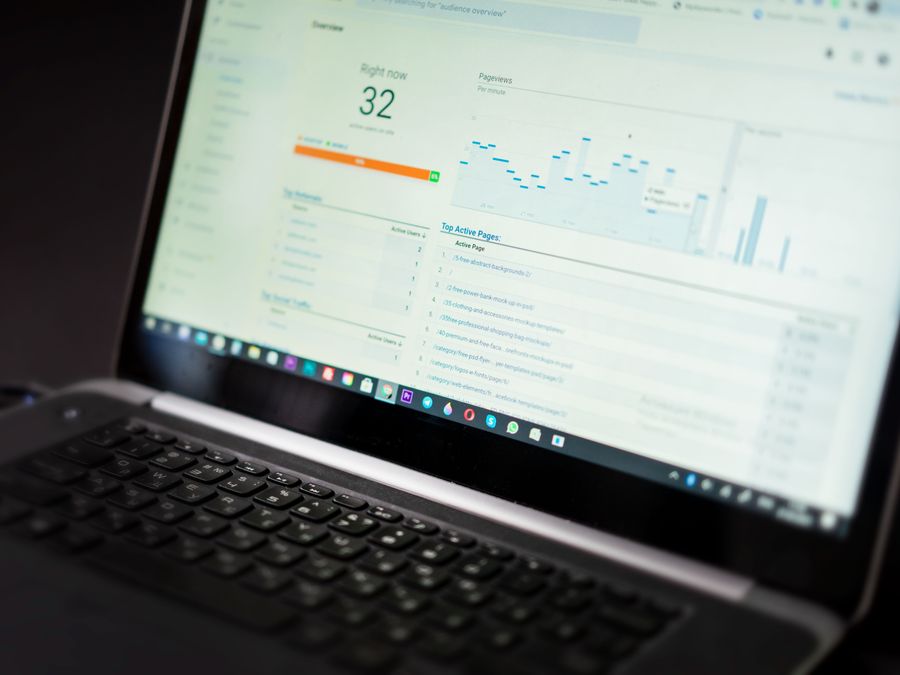
Tracking your results helps you understand what is working and where to improve. Meta Ads Manager provides detailed analytics for both Facebook and Instagram ads.
Key Metrics to Watch
The metrics that matter most depend on your campaign goals. For awareness campaigns, focus on reach, impressions, and video views. For engagement campaigns, track likes, comments, shares, and saves. For conversion campaigns, monitor click-through rates, cost per click, and conversion rates.
Diving deeper into your Instagram marketing insights can reveal patterns in how your audience responds to different types of content. Look for trends over time rather than focusing too heavily on individual ad performance.
Understanding ROI
Return on investment goes beyond just counting followers or likes. A successful ad campaign should ultimately drive business results, whether that means sales, leads, or other valuable actions. Keep in mind that Instagram growth and revenue do not always move together. Growing your follower count through ads does not guarantee increased sales, so focus on metrics that connect directly to your business goals.
Testing and Optimization
Run A/B tests to compare different ad elements. Test different images, headlines, ad copy, audiences, and placements to see what performs best. Small improvements in click-through rates or conversion rates can add up to significant gains over time.
Combining Organic and Paid Strategies
Paid advertising works best when it supports a strong organic presence. Building an engaged audience through regular posting creates a foundation that makes your ads more effective.
Organic Content Builds Trust
When users see your ad, many will visit your profile before taking action. A profile filled with quality content, consistent posting, and engaged followers builds credibility. Following Instagram posting tips can help you maintain a consistent organic presence that supports your paid campaigns.
Boost Your Best Organic Content
One simple strategy is to identify your best-performing organic posts and turn them into ads. Content that already resonates with your existing audience often performs well as paid content reaching new people.
Use Organic Tactics to Complement Ads
Organic engagement tactics can amplify your paid efforts. Running an Instagram giveaway alongside your ad campaign can boost organic engagement while your ads drive new people to your profile. The combination of paid reach and organic engagement creates momentum that neither approach achieves alone.
Retarget Engaged Users
People who engage with your organic content are warm leads for your ads. Create custom audiences based on people who have visited your profile, watched your videos, or engaged with your posts. These audiences often convert at higher rates than cold audiences.
Final Thoughts on Choosing the Right Platform
The debate over Facebook vs Instagram ads does not have a single right answer. The best platform for your business depends on your specific audience, products, and goals.
If you are targeting older demographics, need to share detailed information, or want to build community, Facebook ads may serve you better. If you have visually appealing products, target younger consumers, or want to leverage influencer-style content, Instagram ads could be the stronger choice.
For many businesses, the answer is to use both platforms strategically. Start by testing ads on both Facebook and Instagram, then analyze your results to see where you get the best return. Over time, you can shift your budget toward the platform that delivers stronger performance for your specific situation.
The most important thing is to start testing. Create ads that fit each platform’s style, track your results carefully, and keep optimizing based on what you learn. With consistent effort and attention to your data, you can find the right balance of Facebook vs Instagram ads that drives real results for your business.
