


If you spend time on Instagram, you’ve probably noticed something interesting happening. More and more creators are stepping away from the constant chase for likes and views on public posts. Instead, they’re building something different: Instagram private communities where they can connect with their most dedicated followers in a more personal way.
This shift isn’t just a passing trend. Creators are discovering that smaller, more focused groups often lead to better conversations, stronger relationships, and even more sustainable income. Whether you’re a creator thinking about starting your own private space or simply curious about why this is happening, this guide will walk you through everything you need to know about private community spaces and exclusive content channels.
What Are Private Community Spaces on Instagram?

Private community spaces are exactly what they sound like: places where creators share content with a select group of people rather than the entire internet. On Instagram, this can take several forms. Some creators switch their accounts to private mode, meaning only approved followers can see their posts. Others create separate private accounts specifically for their most engaged fans, keeping their main account public while offering something extra to those who want more.
Understanding how private profiles on Instagram work is the first step to grasping this concept. When an account is private, new people must request to follow, and the creator decides who gets in. This simple change creates a barrier that transforms the entire dynamic between creator and audience.
Exclusive content channels take this idea further. These are dedicated spaces where creators share content that isn’t available anywhere else. This might include behind-the-scenes looks at their creative process, early access to new projects, personal updates, tutorials, or direct conversations with followers. The key difference from public content is the sense of exclusivity and intimacy these spaces provide.
Think of it like the difference between a concert in a stadium and an acoustic set in someone’s living room. Both have value, but they offer completely different experiences. Private community spaces give creators the chance to create that living room feeling, even when they have thousands of followers on their public accounts.
Why Creators Are Going Private
The reasons behind this shift are varied, but they all point to one central theme: creators want more meaningful connections with their audiences. Public social media can feel like shouting into a crowded room. Private spaces feel more like having a real conversation.
One major factor is algorithm fatigue. On public accounts, creators often feel pressured to post constantly, chase trends, and optimize everything for maximum reach. This can be exhausting and creatively draining. In private spaces, the pressure drops significantly. Creators can share what they genuinely want to share, when they want to share it, without worrying about whether the algorithm will bury their post.
Another reason is the desire for deeper engagement. When you’re building a community on Instagram, quality often matters more than quantity. A private community of a few hundred engaged members who actually read, comment, and interact can be far more valuable than tens of thousands of passive followers who scroll past your content without a second thought.
Privacy concerns also play a role. Some creators want to share more personal content but don’t feel comfortable doing so publicly. A private community gives them the freedom to be more authentic and vulnerable without exposing themselves to the entire internet.
Finally, there’s the simple human need for connection. Many creators started sharing content because they wanted to connect with like-minded people. As their audiences grew, that personal connection often got lost. Private communities help them recapture that feeling of genuine human interaction that drew them to creating content in the first place.
Benefits of Exclusive Content Channels

Creating exclusive content channels comes with several tangible benefits that make the extra effort worthwhile for many creators.
Higher engagement rates are perhaps the most immediate benefit. When people have specifically chosen to join a private community, they’re already more invested than the average follower. They’re more likely to read every post, respond to questions, and participate in discussions. This creates a positive feedback loop where engaged members encourage even more engagement.
Loyal audiences are another significant advantage. Members of private communities often feel a stronger sense of belonging and loyalty to the creator. They’ve made a conscious choice to be there, which creates a different relationship than simply hitting a follow button on a public account. This loyalty often translates into long-term support, whether that means buying products, attending events, or simply being consistent cheerleaders for the creator’s work.
Monetization opportunities expand considerably with exclusive content. Many creators find success with turning Instagram into an income source through private communities. Members are often willing to pay for access to exclusive content, direct interaction with the creator, or special perks that aren’t available elsewhere. This can provide a more stable and predictable income compared to relying solely on brand deals or ad revenue from public content.
Creative freedom is another benefit that shouldn’t be overlooked. Without the pressure to appeal to the broadest possible audience, creators can experiment more freely. They can share works in progress, try new formats, or explore topics that might not perform well publicly but resonate deeply with their core fans.
Better feedback is also a natural outcome of private communities. When you’re working with a smaller, more engaged group, you can have real conversations about your work. Members of private communities often provide more thoughtful and constructive feedback than you’d get from public comments, helping creators improve and grow.
Platforms Creators Use for Private Communities

While Instagram itself offers private account options, many creators expand their private community efforts across multiple platforms to offer different types of experiences.
Discord has become incredibly popular among creators who want to build active chat communities. Originally designed for gamers, it now hosts communities around every topic imaginable. Creators use Discord servers to create multiple channels for different types of conversations, host voice chats, and build spaces where community members can interact with each other, not just with the creator.
Telegram is another messaging platform that creators use for private groups. It’s particularly popular for creators who want a simpler setup than Discord offers. Telegram groups can host large numbers of members while still feeling more intimate than public social media. Many creators use it for quick updates, exclusive announcements, or direct communication with their most dedicated followers.
For creators who want to monetize their exclusive content directly, Patreon remains a go-to platform. It allows creators to set up different membership tiers with varying levels of access and perks. Supporters pay a monthly fee in exchange for exclusive content, early access, behind-the-scenes material, or other benefits the creator chooses to offer.
Creators who focus on written content often turn to Substack for their exclusive offerings. This platform makes it easy to create paid newsletters where subscribers get access to content that free readers don’t see. It’s particularly popular among writers, journalists, and creators who want to share longer-form thoughts with their most dedicated readers.
Many successful creators don’t choose just one platform. Instead, they use a combination that serves different purposes. They might keep their Instagram private community for visual content and quick updates, use Discord for ongoing conversations and community building, and offer paid exclusive content through Patreon or Substack. The key is finding the combination that works best for your content style and your audience’s preferences.
How to Create Engaging Exclusive Content
Creating content for a private community requires a slightly different approach than creating public content. The expectations are different, and so are the opportunities.
Start by understanding what makes your private community special. Members have chosen to be there, so give them something they can’t get anywhere else. This might mean sharing your creative process, including the messy parts. It might mean being more personal and sharing aspects of your life you wouldn’t share publicly. Or it might mean going deeper into topics than you would in public posts.
When crafting Instagram posts that convert, remember that conversion in a private community looks different. You’re not trying to grab attention from strangers scrolling quickly. You’re nurturing relationships with people who already care about what you do. This means you can take more time, go into more detail, and assume a baseline level of interest and knowledge.
Consistency matters, but it looks different in private spaces. You don’t need to post every day to stay relevant in the algorithm. Instead, focus on showing up regularly enough that members feel the community is active and worth their investment. For some creators, this might mean daily posts. For others, weekly updates work better. Find a rhythm that you can maintain without burning out.
Consider repurposing creator content strategically. Content you create for your private community can sometimes be adapted for other uses, and vice versa. A detailed tutorial you share privately might become a shorter teaser for your public account. A popular public post might spark a deeper discussion in your private space. Think about how your content can work across different contexts.
Interaction is crucial. Private communities thrive on two-way communication. Ask questions, respond to comments, and create opportunities for members to participate. Polls, Q&A sessions, and collaborative projects all help members feel like active participants rather than passive consumers.
Tools That Help Manage Private Communities
Managing a private community takes time and effort, but the right tools can make it much more manageable. There are many tools that help creators work smarter, and finding the ones that fit your workflow is worth the investment.
Scheduling tools help you maintain consistency without being glued to your phone. Many creators batch-create content and schedule it to post throughout the week. This approach lets you stay present in your community even during busy periods.
Community management tools can help you keep track of conversations, moderate discussions, and identify your most engaged members. As your community grows, these become increasingly valuable for maintaining the quality of interactions.
Analytics tools help you understand what’s working and what isn’t. Even in private spaces, tracking which content gets the most engagement can help you create more of what your community loves.
You can explore lists of apps and digital tools to find options that match your specific needs. The best tools are the ones you’ll actually use consistently, so don’t feel pressured to adopt every new platform or app. Start simple and add tools as you identify specific needs.
Communication tools for direct messaging and group chats help you stay connected with community members. Whether you use Instagram’s built-in messaging, email, or another platform, having clear channels for communication helps members feel connected and heard.
Protecting Your Private Content
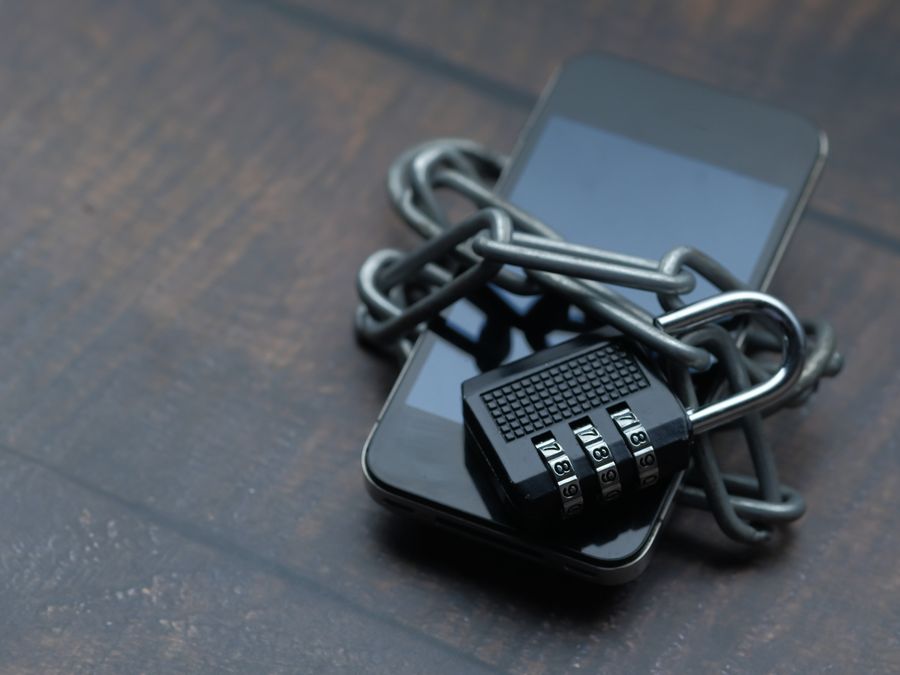
When you create exclusive content, protecting it becomes an important consideration. You want your private community to feel special, and that means taking steps to ensure your content stays where it belongs.
First, be aware of the risks. Some people use private Instagram viewer tools or other methods to try to access private content without permission. While no system is completely foolproof, understanding these risks helps you make informed decisions about what to share and how.
Set clear expectations with your community members. Let them know that the content you share is meant to stay within the community. Most people will respect this, especially if they value being part of the group. Creating a sense of shared trust and mutual respect goes a long way toward protecting your content.
Consider watermarking visual content that you particularly want to protect. This won’t prevent sharing entirely, but it does make it clear where the content originated and can discourage casual redistribution.
Be thoughtful about what you share. Even in private spaces, assume that anything you post could potentially be seen by others. This doesn’t mean you can’t be personal or vulnerable, but it does mean being intentional about the level of privacy you’re comfortable with.
Have a plan for handling violations. If someone does share your private content without permission, know how you’ll respond. This might mean removing them from the community, addressing the issue publicly, or simply moving forward. Having a plan helps you respond calmly rather than reactively.
Following Community Guidelines in Private Spaces
Just because a community is private doesn’t mean it exists outside the rules. Understanding and following Instagram community guidelines remains important, even in private spaces.
All the same rules about prohibited content, harassment, and harmful behavior apply in private accounts just as they do in public ones. Instagram can and does take action against private accounts that violate their terms of service.
Beyond platform rules, consider establishing your own community guidelines. Clear expectations about how members should treat each other help maintain a positive environment. This might include rules about respectful disagreement, staying on topic, or how to handle conflicts.
Moderation becomes your responsibility in a private community. Be prepared to address issues when they arise and to remove members who consistently violate community standards. A healthy community requires active stewardship.
Getting Started With Your Own Private Community
If you’re ready to start building your own Instagram private communities, the process doesn’t have to be complicated. Start small and grow organically.
Begin by identifying your most engaged current followers. These are the people who consistently comment, share your content, and show genuine interest in what you do. They’re your natural first members.
Decide what you’ll offer that’s different from your public content. This doesn’t have to be elaborate. Even simple things like more personal updates, early access to content, or direct Q&A sessions can be valuable to the right audience.
Choose your platform or platforms based on what makes sense for your content and your audience. You might start with just a private Instagram account and expand to other platforms as your community grows.
Communicate clearly about what members can expect. Set realistic expectations about how often you’ll post, what kind of content you’ll share, and how you’ll interact with the community.
Finally, be patient. Building a thriving private community takes time. Focus on creating value for your existing members rather than constantly trying to grow. A small, engaged community is far more valuable than a large, inactive one. As you consistently show up and provide value, word will spread, and your community will grow naturally.
