



When people think about tools for content creators, they usually picture video editing software, graphic design apps, or camera equipment. These creative tools are important, but they only tell part of the story. Behind every successful creator is a collection of less glamorous tools that keep the business running smoothly.
Think about it this way: you might create amazing content, but if you struggle to track your time, send invoices, or organize your projects, your creative work suffers. The best creators understand that running a content business means wearing many hats. You are not just an artist or entertainer. You are also an accountant, project manager, and customer service representative all rolled into one.
This article explores the hidden tools that help content creators work smarter. These are the behind-the-scenes helpers that save time, reduce stress, and let you focus on what you do best: creating content that connects with your audience.
Why Creators Need More Than Just Creative Tools
Many creators start their journey focused entirely on the creative side. They invest in cameras, lighting, editing software, and maybe even AI tools for content creation. These investments make sense because quality content is the foundation of any creator business.
However, as your audience grows and opportunities come your way, you quickly realize that creating content is only half the job. Brands want to collaborate, but they need professional invoices. Sponsors ask how many hours you spent on a project, and you have no idea. Your inbox overflows with messages, and you miss important opportunities because emails get buried.
The creators who thrive long-term are the ones who build systems for the business side of their work. They track their time so they can price projects fairly. They send professional invoices that get paid quickly. They organize their tasks so nothing falls through the cracks. These operational tools might not be exciting, but they are essential.
Think of your creator business like a house. The creative tools are the beautiful furniture and decorations that everyone sees. The operational tools are the plumbing, electrical wiring, and foundation that keep everything working. Without a solid foundation, even the most beautiful house eventually falls apart.
Time Tracking Tools to Understand Where Your Hours Go

One of the biggest challenges creators face is understanding how long tasks actually take. You might think editing a video takes two hours, but when you track it carefully, you discover it takes four. This gap between perception and reality can hurt your business in several ways.
First, if you do not know how long projects take, you cannot price your work fairly. You might accept a brand deal thinking it will take five hours, only to spend fifteen hours on it. Suddenly, your hourly rate drops dramatically, and you feel frustrated and underpaid.
Second, time tracking helps you identify activities that waste your time. Maybe you spend two hours each day scrolling through social media for “research” that never turns into content. Or perhaps you spend too much time on tasks you could delegate or automate. Without tracking, these time leaks stay invisible.
Using an online time recorder is a simple way to start understanding where your hours go. These tools let you log time against different projects and activities. After a few weeks of tracking, you will have clear data about how you actually spend your working hours.
Many creators resist time tracking because it feels tedious or restrictive. But think of it as a diagnostic tool rather than a constraint. You are not tracking time to punish yourself for being slow. You are tracking time to make better decisions about how you work and what you charge.
Start simple. Track your time for one week without changing anything about how you work. Just observe and record. The insights you gain will help you work smarter and earn more from your creative efforts.
Invoicing and Payment Tools for Getting Paid on Time

Getting paid should be the easy part of working with brands and clients, but many creators struggle with this. Late payments, unclear terms, and unprofessional invoices can strain relationships and hurt your cash flow.
Professional invoicing matters for several reasons. First, it makes you look credible. When you send a clean, well-organized invoice, brands see you as a serious business partner rather than a hobbyist. This perception can lead to better opportunities and higher rates.
Second, clear invoices reduce confusion and disputes. When your invoice clearly states what work was completed, the agreed price, and payment terms, there is less room for misunderstandings. Clients know exactly what they owe and when they need to pay.
If you are new to invoicing, you can start with a sample online invoice template to see what information to include. A good invoice typically contains your business name and contact information, the client’s details, a description of the work completed, the total amount due, and payment instructions.
Beyond creating invoices, think about your payment terms. Many creators default to “payment due upon receipt,” but this can lead to delays. Consider setting specific payment deadlines, like “payment due within 14 days.” Some creators also offer small discounts for early payment or charge late fees for overdue invoices.
Good invoicing habits connect directly to building long-term financial security as a creator. When you get paid consistently and on time, you can plan your finances better, invest in your business, and reduce the stress that comes with uncertain income.
Budgeting and Financial Planning Tools
Creator income is often unpredictable. One month might bring several brand deals and strong ad revenue. The next month might be quiet. This variability makes budgeting essential, yet many creators avoid it because it feels complicated or boring.
The good news is that budgeting does not have to be complex. At its simplest, budgeting means knowing how much money comes in, how much goes out, and making sure the first number is bigger than the second. You can start with a basic spreadsheet that tracks your income sources and expenses each month.
Why does budgeting matter for creators? First, it helps you understand your true costs. Many creators underestimate how much they spend on software subscriptions, equipment, and other business expenses. When you track these costs, you can make informed decisions about what to keep and what to cut.
Second, budgeting helps you prepare for slow periods. If you know your average monthly expenses, you can build a savings buffer to cover those costs during quiet months. This financial cushion reduces stress and lets you make better creative decisions without desperation.
Review income and costs monthly to plan better and catch problems early. If your expenses are creeping up or your income is declining, you want to know sooner rather than later so you can adjust.
Budgeting also connects to growing wealth as a digital creator. When you understand your finances clearly, you can identify money to invest in your future. Even small amounts invested consistently can grow significantly over time.
Consider using budgeting apps or spreadsheets that categorize your income and expenses automatically. Many banking apps now offer built-in budgeting features that can give you a quick overview of your financial health without much manual work.
Email and Communication Management
Managing emails effectively is crucial for creators who receive collaboration requests, fan messages, and business inquiries. An overflowing inbox can cause you to miss important opportunities or respond too slowly to time-sensitive offers.
The first step to better email management is reducing the volume of messages you receive. Unsubscribe from newsletters you never read. Create filters that automatically sort messages into folders. Use separate email addresses for business and personal communication so important messages do not get lost among promotional emails.
Next, establish a routine for checking and responding to emails. Many creators find that checking email two or three times per day works better than constantly monitoring their inbox. This approach lets you batch similar tasks together and reduces the distraction of constant notifications.
When you do respond to emails, aim for clarity and brevity. Busy professionals appreciate messages that get to the point quickly. If a brand reaches out about a collaboration, respond with enthusiasm, ask clarifying questions, and suggest next steps. Do not make them chase you for information.
Consider using email templates for common responses. If you frequently receive similar inquiries about your rates, collaboration process, or availability, having pre-written templates saves time while ensuring you provide consistent, professional responses.
Finally, do not let your inbox become your to-do list. If an email requires action, either handle it immediately or add the task to your project management system. Leaving action items buried in your inbox is a recipe for missed deadlines and forgotten commitments.
Project and Task Organization Tools

As your creator business grows, you will juggle multiple projects simultaneously. You might be filming content for one brand while editing a video for another and planning your own content calendar. Without a system to organize these tasks, things get chaotic quickly.
Project organization tools help you see everything you need to do in one place. They let you break large projects into smaller tasks, set deadlines, and track progress. When you can see your workload clearly, you make better decisions about what to prioritize and when to say no to new commitments.
Notion is a popular option for creators who want an all-in-one workspace. It combines note-taking, task management, and database features in a flexible system you can customize to fit your workflow. Many creators use it to manage content calendars, track brand partnerships, and store reference materials.
Other creators prefer simpler tools like basic to-do list apps or physical planners. The best tool is the one you will actually use consistently. If a complex system feels overwhelming, start with something simple and add features as your needs grow.
Organization tools also complement other content marketing tools you might use. When your tasks are organized, you can better coordinate your content creation, promotion, and engagement activities.
A few tips for effective task organization: First, write down everything. Do not rely on your memory for deadlines and commitments. Second, review your task list regularly, ideally at the start and end of each day. Third, be realistic about what you can accomplish. Overloading your to-do list leads to frustration and burnout.
Scheduling and Automation Tools for Consistent Posting
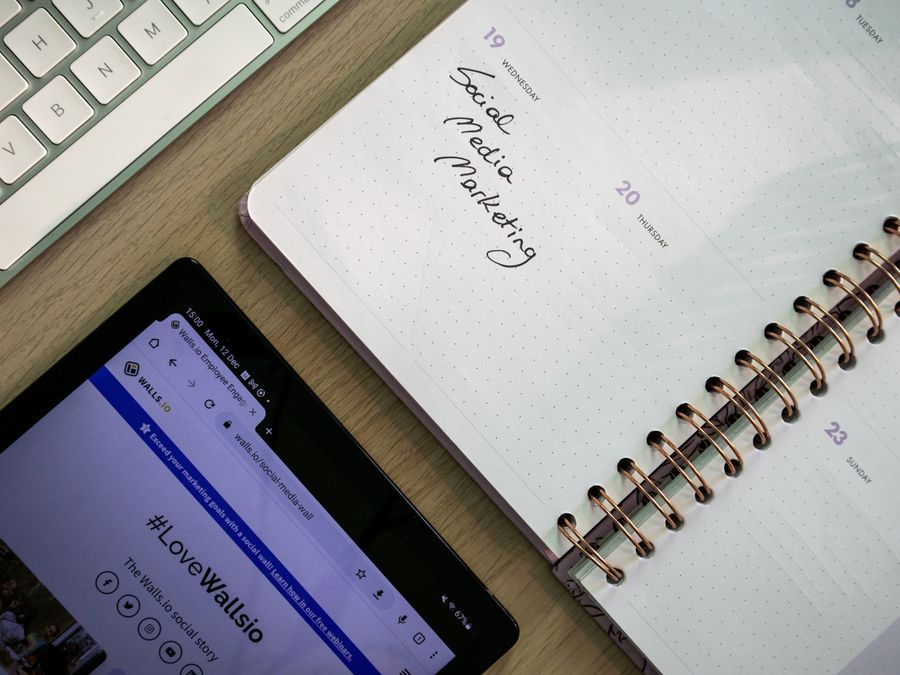
Consistency is one of the most important factors in growing an audience. Followers expect regular content, and algorithms tend to favor creators who post reliably. But maintaining a consistent posting schedule is challenging when you are also creating content, managing business tasks, and living your life.
Scheduling tools solve this problem by letting you prepare content in advance and publish it automatically at optimal times. Instead of scrambling to post something every day, you can batch your content creation and schedule a week or month of posts in one sitting.
This approach has several benefits. First, it reduces daily stress. When your content is scheduled, you do not wake up panicking about what to post. Second, it improves content quality. When you are not rushed, you can spend more time crafting thoughtful captions and selecting the best images or videos.
Tips for staying consistent with posting include finding your optimal posting frequency and sticking to it. It is better to post three times per week consistently than to post daily for a week and then disappear for a month.
Beyond scheduling posts, consider automation strategies for engagement that help you maintain connections with your audience. Automated welcome messages, comment responses, and follow-up sequences can keep your community engaged even when you are busy creating new content.
However, be careful not to over-automate. Your audience follows you for your personality and perspective. If everything feels robotic and impersonal, you will lose the connection that makes your content special. Use automation to handle repetitive tasks, but keep the human touch in your actual content and meaningful interactions.
Website and Hosting Tools for Building Your Brand
Social media platforms are powerful, but they come with risks. Algorithm changes can tank your reach overnight. Platforms can suspend accounts without warning. And you never truly own your audience on someone else’s platform.
Having your own website gives you a home base that you control completely. It is a place where fans can find all your content, brands can learn about collaboration opportunities, and you can sell products or services directly to your audience.
Many creators hesitate to build a website because they think it is expensive or technically difficult. In reality, modern website builders make it easy to create professional-looking sites without coding knowledge. And affordable website hosting options mean you can maintain a website for just a few dollars per month.
Your website does not need to be elaborate. A simple site with an about page, links to your social profiles, a portfolio of your best work, and contact information is enough to start. You can add features like a blog, online store, or email newsletter signup as your needs grow.
Think of your website as your digital business card. When brands research you before reaching out, they will likely search for your website. Having a professional online presence signals that you take your creator business seriously and are ready for professional partnerships.
Using AI Responsibly in Your Workflow
Artificial intelligence tools have become increasingly useful for content creators. They can help with tasks like generating content ideas, writing first drafts, editing images, and analyzing audience data. Used wisely, AI can save significant time and help you produce more content.
However, AI tools require thoughtful use. Your audience follows you for your unique voice and perspective. If you rely too heavily on AI-generated content, your work may start to feel generic and lose the personal touch that makes it special.
The best approach is to use AI as an assistant rather than a replacement. Let AI help with brainstorming, research, and tedious tasks. But always add your own insights, experiences, and personality to the final product. Your audience can tell the difference between authentic content and something that feels mass-produced.
Learning about using AI responsibly as a creator helps you get the benefits of these tools while maintaining the authenticity your audience values. Be transparent with your audience about how you use AI, and always fact-check AI-generated information before publishing.
As AI tools continue to evolve, staying informed about their capabilities and limitations will help you use them effectively. The creators who thrive will be those who combine AI efficiency with genuine human creativity and connection.
Building a successful creator business requires more than just creative talent. The tools for content creators that handle time tracking, invoicing, budgeting, communication, organization, scheduling, and web presence form the foundation that supports your creative work. By investing time in setting up these systems, you free yourself to focus on what you love most: creating content that resonates with your audience and grows your community.
