



Every successful brand has something in common: a solid foundation built on proven principles of marketing. These guiding rules help businesses connect with the right people, share their message clearly, and grow over time. Without them, even the best products can struggle to find their audience.
Think of marketing principles as a roadmap. They show you where to go and how to get there. When you follow them, you make smarter choices about how to spend your time and money. When you ignore them, you risk wasting resources on strategies that don’t work.
Whether you’re just starting out or looking to improve your current approach, understanding these core principles of marketing can make the difference between a brand that thrives and one that fades away. Let’s explore the essential rules that guide successful marketing and how you can apply them to your own business.
What Are Marketing Principles and Why Do They Matter?
Marketing principles are the fundamental ideas that shape how businesses communicate with their customers. They’re not complicated formulas or secret tricks. Instead, they’re straightforward guidelines that help you make better decisions about reaching and serving your audience.
At their core, these principles focus on understanding what people need, creating something valuable for them, and communicating that value in a way they can understand. They’ve been tested over decades by businesses of all sizes, and they continue to work because they’re based on how people actually think and behave.
Why do these principles matter so much? Because marketing without direction is like driving without a destination. You might move forward, but you won’t get anywhere meaningful. The principles of marketing give you that direction. They help you focus on what actually works instead of chasing every new trend that comes along.
When you’re building your brand from the start, the decisions you make early on set the tone for everything that follows. Getting the fundamentals right from the beginning saves you from costly mistakes later. Brands that understand and apply these principles consistently tend to build stronger relationships with their customers and see better results from their efforts.
These principles also help you stay grounded when things get confusing. The marketing world changes quickly, with new platforms and tools appearing all the time. But the underlying principles remain steady. When you know the basics, you can adapt to new situations without losing your way.
Know Your Audience Inside and Out

The most important principle of marketing is simple: know who you’re talking to. Every successful marketing effort starts with a clear understanding of your target audience. Without this knowledge, you’re essentially guessing about what will work.
Understanding your audience means going beyond basic facts like age and location. You need to know what problems they face, what goals they have, and what motivates their decisions. What keeps them up at night? What would make their lives easier? The answers to these questions shape everything from your messaging to your product development.
Start by talking to your existing customers. Ask them why they chose your product or service. Find out what they like and what they wish was different. These conversations reveal insights you can’t get from assumptions alone. Pay attention to the words they use when describing their needs. This language can become the foundation of your marketing messages.
Tools like social media analytics help you understand audience behavior by showing you what content resonates, when people are most active, and how they interact with your brand online. This data adds depth to what you learn from direct conversations.
Once you understand your audience, you can create targeted advertising strategies that speak directly to their needs. Instead of broadcasting generic messages to everyone, you can craft specific communications that feel personal and relevant. This approach typically leads to better engagement because people respond when they feel understood.
Remember that your audience may change over time. What worked five years ago might not work today. Make audience research an ongoing practice, not a one-time project. Stay curious about the people you serve, and your marketing will stay relevant.
Create Value Through Quality Content

One of the most powerful principles of marketing today is creating content that genuinely helps your audience. This approach, known as content marketing, focuses on providing useful information rather than just promoting your products.
Quality content builds trust. When you share helpful articles, videos, or guides, you demonstrate expertise and show that you care about your audience’s success. People remember brands that help them solve problems. Over time, this trust translates into loyalty and sales.
What makes content valuable? It answers real questions your audience has. It solves problems they’re facing. It teaches them something new or helps them make better decisions. The key is focusing on their needs, not just your desire to sell.
Think about the questions your customers ask most often. These questions are perfect starting points for content. If people frequently ask how to use your product more effectively, create a detailed guide. If they’re confused about industry terminology, write a clear explanation. Each piece of content should serve a specific purpose for your audience.
Using the right content marketing tools can help you create better content more efficiently. These resources assist with everything from planning your content calendar to optimizing your writing for clarity and engagement.
Consistency matters as much as quality. Publishing one excellent article and then going silent for months won’t build the momentum you need. Create a realistic schedule you can maintain, even if it means producing less content. Regular, helpful content keeps your audience engaged and gives them reasons to return.
Don’t forget to make your content easy to find. Use clear titles that describe what people will learn. Organize information logically so readers can quickly find what they need. Good content that nobody sees doesn’t help anyone.
Build a Consistent Brand Identity
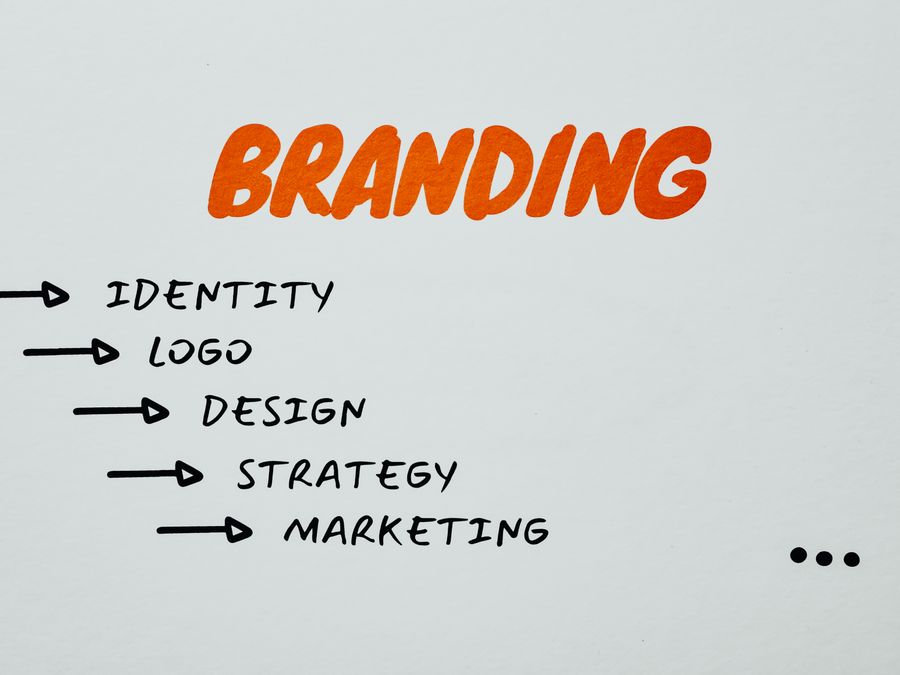
Consistency is one of the most underrated principles of marketing. When your brand looks and sounds the same everywhere, people recognize and remember you more easily. This recognition builds familiarity, and familiarity builds trust.
Brand consistency starts with visual elements. Your logo, colors, and fonts should remain the same across all platforms. When someone sees your Instagram post, website, and email newsletter, they should immediately know it’s from you. This visual consistency creates a professional impression and makes your brand feel established.
Developing effective brand promotion strategies helps ensure your visual identity stays consistent across different platforms. Each touchpoint with your audience is an opportunity to reinforce who you are and what you stand for.
But consistency goes beyond visuals. Your voice and tone matter just as much. Are you formal or casual? Serious or playful? Whatever personality you choose, maintain it across all communications. A brand that sounds friendly on social media but cold in customer service emails creates confusion.
Your messaging should also stay consistent. What are the core ideas you want people to associate with your brand? These themes should appear regularly in your content, even when you’re discussing different topics. Repetition helps messages stick in people’s minds.
Maintaining originality is crucial for brand integrity. When you create unique content that reflects your genuine perspective, you stand out from competitors. Focus on protecting brand reputation on social media by ensuring all your content is original and authentic to your brand voice.
Create brand guidelines that document your visual standards and voice. Share these guidelines with everyone who creates content for your brand. This documentation ensures consistency even as your team grows or changes.
Consistency doesn’t mean being boring. You can still be creative and try new things. The key is maintaining your core identity while experimenting with how you express it. Think of it like a person who wears different outfits but always has the same personality.
Engage Your Community and Encourage Participation
Marketing isn’t a one-way broadcast. The most effective brands create conversations with their audience. This two-way communication builds stronger relationships and turns customers into advocates.
Engagement starts with listening. Pay attention to what people say about your brand on social media, in reviews, and in direct messages. Respond to comments and questions promptly. When people feel heard, they’re more likely to stay connected with your brand.
Ask questions that invite participation. Instead of just posting announcements, create content that encourages responses. Polls, questions, and calls for opinions give your audience reasons to interact. These interactions boost your visibility on social platforms and provide valuable insights into what your audience thinks.
Following proven Instagram marketing tips can help you develop practical engagement tactics that work on social platforms. Small actions like responding to comments, sharing customer stories, and asking for feedback can significantly increase how connected your audience feels to your brand.
Encouraging user-generated content is another powerful way to build community. When customers share photos, reviews, or stories about your brand, they create authentic content that resonates with other potential customers. This participation makes people feel like part of your brand’s story.
Create opportunities for your audience to contribute. Run contests that invite creative submissions. Feature customer stories on your platforms. Celebrate the people who support your brand. When customers see themselves reflected in your marketing, they feel valued and connected.
Building community takes time and genuine effort. You can’t fake caring about your audience. Focus on creating real value for the people who support you, and community will grow naturally around that shared experience.
Use Data to Guide Your Decisions

One of the most practical principles of marketing is letting data inform your choices. Instead of guessing what works, you can measure results and adjust your approach based on evidence.
Start by identifying what you want to achieve. Are you trying to increase website visitors? Generate more leads? Boost sales? Clear goals help you know what to measure. Without defined objectives, data becomes overwhelming and meaningless.
Track the metrics that matter most for your goals. If you want more website traffic, monitor visitor numbers and where they come from. If you want better engagement, watch likes, comments, and shares. If you want sales, track conversion rates and revenue. Focus on a few key numbers rather than trying to monitor everything.
Gathering marketing insights for smarter decisions helps you understand what’s working and what needs improvement. Regular analysis reveals patterns you might miss otherwise. Maybe your audience responds better to certain topics or formats. Maybe they’re most active at specific times. These insights help you optimize your efforts.
Testing is essential for data-driven marketing. Try different approaches and compare results. Test different headlines, images, or calls to action. Small experiments reveal what resonates with your audience. Over time, these learnings compound into significantly better performance.
Don’t let data paralyze you. Some marketers get so focused on numbers that they forget to take action. Use data to inform decisions, not to avoid making them. Sometimes you need to try something new even without perfect information.
Review your data regularly, but not obsessively. Weekly or monthly check-ins are usually enough for most businesses. Look for trends over time rather than reacting to daily fluctuations. Patterns become clearer when you zoom out.
Remember that data tells you what happened, not always why. Combine quantitative data with qualitative feedback from customers. Together, they give you a complete picture of how your marketing is performing.
Adapt to New Technologies and Trends
The marketing landscape changes constantly. New platforms emerge, consumer behaviors shift, and technologies create fresh opportunities. Staying current is one of the essential principles of marketing for long-term success.
This doesn’t mean chasing every new trend. Instead, it means staying aware of changes and thoughtfully evaluating which ones matter for your business. Not every new platform or technology will be relevant to your audience. Focus on the developments that align with your goals and where your customers spend their time.
Technologies like artificial intelligence (AI) are changing how marketers work. These tools can help with tasks like personalizing content, analyzing data, and automating routine processes. Understanding these technologies helps you work more efficiently and stay competitive.
Emerging channels like virtual reality (VR) offer new ways to create immersive brand experiences. While not every business needs to adopt these technologies immediately, understanding their potential helps you plan for the future. Early adopters often gain advantages when new platforms become mainstream.
Different industries adapt marketing strategies in different ways. Learning about social media strategies for business success across various sectors can inspire new approaches for your own brand. What works in one industry might spark ideas for another.
Stay curious about how your audience’s habits are changing. Where are they spending their time online? What new platforms are they trying? How do they prefer to communicate? These shifts often signal opportunities for brands that pay attention.
Balance innovation with proven strategies. New approaches are exciting, but they shouldn’t replace fundamentals that work. Think of new technologies and trends as additions to your toolkit, not replacements for solid marketing principles.
Give new initiatives time to work before judging them. Some strategies take months to show results. Set realistic expectations and evaluation timelines when trying something new.
Putting Marketing Principles Into Practice
Understanding the principles of marketing is only the first step. The real value comes from applying them consistently to your own brand. Here’s how to start putting these ideas into action.
Begin with an honest assessment of where you stand. Which principles are you already following well? Where do you have gaps? This evaluation helps you prioritize what to work on first. You don’t need to perfect everything at once.
Start with audience understanding. If you don’t know your customers deeply, other efforts will be less effective. Invest time in research and conversations before launching new campaigns. This foundation makes everything else easier.
Create a simple plan that addresses each principle. What specific actions will you take to know your audience better? How will you create valuable content? What steps will ensure brand consistency? Write down concrete actions with deadlines. Plans without specifics rarely get implemented.
Build systems that support consistency. Create templates for your content. Develop checklists for launching campaigns. Document your brand guidelines. These systems make it easier to maintain quality as you grow.
Measure your progress regularly. Set benchmarks for where you want to be in three months, six months, and a year. Track your key metrics and compare them to these goals. Celebrate improvements and learn from setbacks.
Stay flexible as you learn. Your first attempts won’t be perfect, and that’s okay. The principles of marketing provide direction, but the specific tactics that work best for your brand will emerge through experimentation. Be willing to adjust your approach based on what you discover.
Remember that marketing is a long-term investment. Quick wins are nice, but sustainable success comes from consistent effort over time. Brands that stick with solid principles through ups and downs build the strongest foundations.
Finally, keep learning. Marketing evolves, and so should your knowledge. Read industry publications, attend webinars, and connect with other marketers. The more you learn, the better you’ll become at applying these principles to your unique situation.
The principles of marketing aren’t complicated, but they require commitment. When you understand your audience, create genuine value, maintain consistency, engage your community, use data wisely, and adapt to change, you give your brand the best chance to succeed. Start where you are, use what you have, and build from there. Your brand’s success story begins with these fundamental principles.
