



Getting noticed on Instagram takes more than posting great photos. With so many accounts competing for attention, you need a strategy that helps people find you in the first place. That’s where Instagram SEO comes into play.
Search optimization isn’t just for websites anymore. Instagram has become a powerful search engine in its own right, and understanding how to optimize your presence can make a real difference in how quickly your account grows. When you apply the right techniques, your content becomes easier to discover, and the right audience starts finding you naturally.
This guide walks you through everything you need to know about Instagram SEO. You’ll learn how the platform’s search system works, how to optimize your profile and content, and how to combine these strategies with other growth methods for the best results.
What Is Instagram SEO and Why Does It Matter
Instagram SEO refers to the practice of optimizing your profile, content, and overall presence so that you appear in relevant search results on the platform. Just like traditional search engine optimization helps websites rank higher on Google, Instagram SEO helps your account show up when users search for topics, hashtags, or accounts related to your niche.
Why does this matter? Because Instagram search and discovery has become one of the primary ways users find new accounts to follow. People actively search for content creators, brands, products, and topics they’re interested in. If your account doesn’t appear in those searches, you’re missing out on potential followers who are already looking for exactly what you offer.
The beauty of Instagram SEO is that it attracts high-intent followers. These are people who searched for something specific and found you because your content matched their interests. They’re more likely to engage with your posts, stick around long-term, and even become customers if you’re running a business account.
Unlike paid advertising or viral content that might bring temporary spikes in attention, search optimization builds a foundation for steady, sustainable growth. When you optimize properly, your account continues to attract new followers day after day without requiring constant effort or spending money on ads.
How Instagram Search Works
Understanding how Instagram’s search system operates helps you optimize more effectively. When someone types a query into the search bar, Instagram doesn’t just look for exact matches. The platform uses several factors to determine which accounts and content to show.
Keywords play a central role. Instagram scans usernames, display names, bios, captions, and hashtags to find relevant matches. If someone searches for “vegan recipes,” accounts with those words in their profile or content are more likely to appear. This is why choosing the right words throughout your presence matters so much.
Engagement signals also influence search rankings. Accounts that receive more likes, comments, saves, and shares tend to rank higher because Instagram interprets this engagement as a sign of quality content. The platform wants to show users the best results, so popular and engaging accounts get priority.
Relevance is another key factor. Instagram tries to match search queries with the most appropriate results based on the searcher’s interests and past behavior. If someone frequently engages with fitness content, they’re more likely to see fitness-related accounts when they search for general terms.
When users search Instagram accounts and hashtags, the platform also considers recency. Fresh content often gets a boost in search results, which is why posting consistently helps maintain visibility. Accounts that haven’t posted in months may rank lower than active ones covering similar topics.
The relationship between the searcher and the account matters too. If someone has previously interacted with your content or follows accounts similar to yours, they’re more likely to see you in their search results. This creates a positive feedback loop where initial engagement leads to more visibility.
Optimizing Your Instagram Profile for Search

Your profile is the foundation of your Instagram SEO strategy. Every element of your profile can be optimized to improve your chances of appearing in relevant searches.
Start with your username. This is the handle that appears after the @ symbol, and it’s one of the first things Instagram checks when processing search queries. If possible, include a relevant keyword in your username. A fitness coach might use something like @fitnesswithsarah rather than a random string of characters. Keep it simple, memorable, and relevant to what you do.
Your display name is equally important, and many people overlook this opportunity. The display name appears in bold on your profile and is separate from your username. You can include keywords here that describe what you offer. For example, a photographer might use “Sarah | Wedding Photographer NYC” as their display name. This helps when people perform an Instagram account search by name looking for specific services.
Your bio should clearly communicate what you do and who you help. Use natural language that includes relevant keywords without sounding robotic or stuffed with terms. Think about what your ideal follower would search for and incorporate those phrases naturally. Include a call to action and make use of the link in your bio to direct traffic where you want it.
When creating an Instagram account, think about SEO from the very beginning. Choosing the right username and display name from the start saves you from having to rebrand later. If you’re building a presence as a creator, resources like Create & Grow can help you develop a solid foundation for your online presence.
Your profile category also affects discoverability. Instagram offers various business and creator categories that help the platform understand what your account is about. Choose the most accurate category for your niche, as this helps Instagram show your profile to the right audience.
Using Keywords in Captions and Hashtags

Your captions and hashtags provide additional opportunities to include relevant keywords that help your content get discovered. The key is finding the right balance between optimization and natural, engaging writing.
When writing captions, think about the words your target audience might search for. If you’re posting a recipe, include the dish name, key ingredients, and relevant descriptors. Instead of writing “Made this today!” try something like “Easy 15-minute pasta recipe with fresh tomatoes and basil.” The second version gives Instagram more context about your content and helps it appear in relevant searches.
Place important keywords near the beginning of your captions when possible. Instagram displays only the first few lines before users need to tap “more,” so front-loading your key information ensures both users and the algorithm see what matters most.
Hashtags remain valuable for discoverability, though their role has evolved. Use a mix of popular, moderately competitive, and niche-specific hashtags. Popular hashtags have more searches but also more competition, while niche hashtags might have fewer searches but help you reach a more targeted audience.
Research hashtags before using them. Look at what hashtags successful accounts in your niche use, and check the content that appears under different hashtags to make sure they’re relevant to what you post. Using irrelevant hashtags just because they’re popular can actually hurt your reach.
Consistency in your keyword strategy builds long-term visibility, similar to how sustainable link building approaches work in traditional search optimization. Rather than constantly changing your approach, develop a consistent set of keywords and hashtags that accurately represent your content and use them regularly.
Instagram now also allows keyword searches beyond hashtags, so including relevant terms in your captions has become even more important. Write naturally, but be intentional about the words you choose.
Alt Text and Accessibility for Better Reach
Alt text is a feature that many Instagram users ignore, but it offers real benefits for both accessibility and discoverability. Originally designed to describe images for visually impaired users, alt text also helps Instagram understand what your images contain.
When you add alt text to your posts, you’re giving Instagram additional information about your content. This helps the platform categorize your posts more accurately and show them to users who might be interested. It’s one of the essential SEO techniques that applies across platforms, not just traditional websites.
To add alt text, tap “Advanced Settings” before posting, then select “Write Alt Text.” Describe what’s in your image using natural language and relevant keywords. For a photo of a sunset over the ocean, you might write “Golden sunset over calm ocean waves with silhouette of palm trees.” This description helps both screen readers and Instagram’s algorithm understand your content.
Keep your alt text descriptive but concise. Focus on the main elements of the image and include relevant keywords where they fit naturally. Avoid keyword stuffing, as this defeats the purpose of making your content accessible.
Beyond the SEO benefits, adding alt text makes your content accessible to a wider audience. Users who rely on screen readers can understand your images, which expands your potential reach and demonstrates that you care about inclusivity.
Instagram can automatically generate alt text using image recognition technology, but the automatic descriptions are often generic. Taking a few seconds to write custom alt text gives you more control over how your content is categorized and described.
Tools to Help With Instagram SEO Research

While Instagram doesn’t provide built-in keyword research tools, several external resources can help you understand what your audience searches for and how to optimize your content accordingly.
Ahrefs is a comprehensive tool that can help with keyword research and understanding search trends. While it’s primarily designed for traditional web search, the insights you gain about what people search for in your niche can inform your Instagram strategy. Understanding popular search terms helps you choose better keywords for your profile and content.
Moz offers excellent resources for learning SEO fundamentals that apply to social platforms. Their educational content helps you understand how search algorithms work in general, which gives you a better foundation for optimizing any platform, including Instagram.
For competitive research and keyword analysis, Semrush provides detailed insights into what’s working in your industry. You can research competitors, identify trending topics, and discover keyword opportunities that you might have missed.
Instagram’s own search bar is a valuable research tool that many people overlook. Start typing a keyword and see what suggestions appear. These suggestions reflect what people actually search for on the platform. Note the popular searches in your niche and incorporate relevant terms into your strategy.
Instagram Insights, available for business and creator accounts, shows you how people find your content. Check which posts get discovered through search and hashtags, and analyze what those successful posts have in common. This data helps you refine your approach over time.
Third-party analytics tools can provide additional insights into hashtag performance, optimal posting times, and audience behavior. While these tools require investment, they can save time and provide data that helps you make better decisions about your content strategy.
Building a Consistent Brand for Better Discoverability
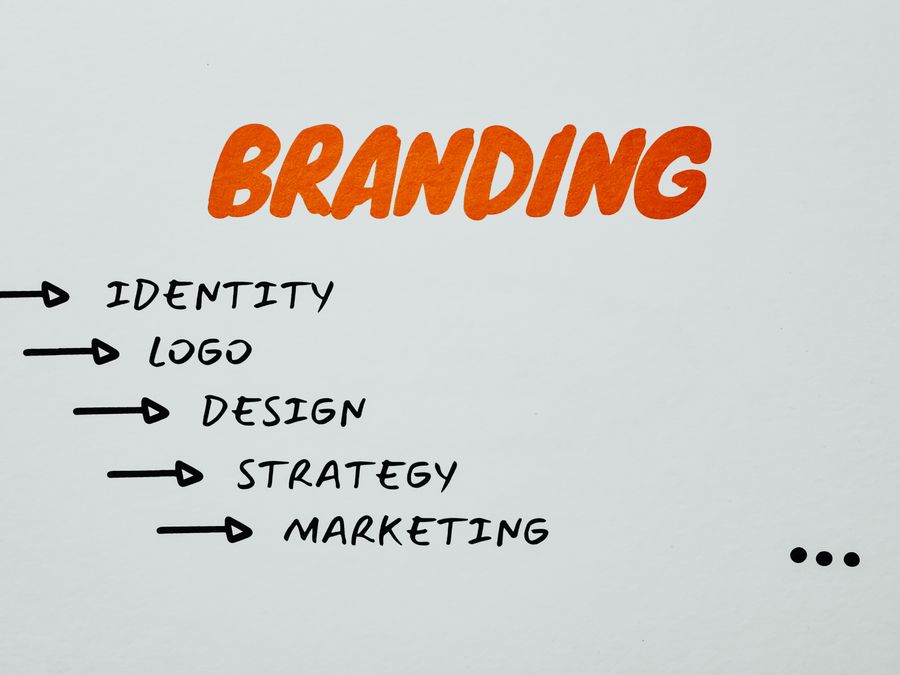
Consistency in your branding and content themes helps Instagram understand what your account is about, which improves how the platform categorizes and recommends your content.
When you post consistently about specific topics, Instagram learns to associate your account with those subjects. This means your content is more likely to appear in the Explore page and search results for users interested in your niche. Random, unfocused content makes it harder for the algorithm to know who might enjoy your posts.
Visual consistency matters too. Using consistent colors, fonts, and editing styles creates a recognizable brand that users remember. When someone sees your content in their feed or search results, they should be able to identify it as yours even before reading your username.
Developing personal branding for organic growth involves more than just aesthetics. It’s about establishing a clear voice, perspective, and value proposition that sets you apart from others in your space. Strong branding makes your account memorable and gives people a reason to follow you over similar accounts.
Content pillars help maintain consistency while keeping your feed interesting. Choose three to five main topics that you’ll regularly cover, and rotate between them. This approach ensures variety while staying focused enough for Instagram to understand your niche.
Your posting schedule also contributes to consistency. Regular posting signals to Instagram that your account is active and worth promoting. You don’t need to post multiple times daily, but establishing a predictable rhythm helps both the algorithm and your audience know what to expect.
Engage consistently with your community as well. Responding to comments, participating in conversations, and interacting with other accounts in your niche all contribute to your visibility and help Instagram understand where you fit in the broader ecosystem.
Combining SEO With Other Growth Strategies
Instagram SEO works best as part of a broader growth strategy rather than a standalone approach. While search optimization helps people find you, other tactics can amplify your results and accelerate your growth.
Content quality remains fundamental. No amount of optimization will help if your content doesn’t resonate with viewers. Focus on creating valuable, engaging posts that people want to save, share, and comment on. High engagement improves your search rankings and extends your reach beyond search results.
Collaborations and partnerships expose your account to new audiences. When you collaborate with other creators or brands, their followers discover your content, and some will search for your account afterward. This creates a positive cycle where collaborations lead to more searches, which lead to more followers.
Some creators combine SEO with trusted Instagram growth services for faster results. These services can complement your organic efforts by helping you reach more people while you build your search presence. The key is choosing reputable services that align with your goals.
Remember that Instagram growth and revenue don’t always correlate directly. Growing your follower count matters less than growing an engaged audience that aligns with your goals. Focus on attracting the right followers rather than just more followers.
Cross-promotion on other platforms can drive traffic to your Instagram account. When you share your Instagram content on other social networks, websites, or email newsletters, you increase the chances that interested people will search for and follow your account.
Paid promotion can jumpstart your visibility while your organic search presence develops. Running targeted ads helps you reach people who might not find you through search alone, and some of those people will become long-term followers who engage with your content regularly.
The most successful Instagram accounts use multiple strategies together. SEO provides a foundation for sustainable discovery, while other tactics help you grow faster and reach audiences that might not search for your specific keywords. By combining approaches, you create multiple pathways for people to find and follow your account.
Building a strong Instagram presence takes time and consistent effort. Instagram SEO isn’t a quick fix, but it’s one of the most reliable ways to attract followers who genuinely care about your content. Start implementing these strategies today, and you’ll build a foundation for growth that continues to pay off for months and years to come.
