


Growing your presence on Instagram takes more than just posting beautiful photos and hoping for the best. To truly succeed, you need to understand what’s working, what isn’t, and why. That’s where Instagram marketing insights come in. These valuable data points help you see beyond the surface and make smarter decisions about your content, audience, and overall strategy.
Whether you’re a small business owner, a content creator, or a marketing professional, learning how to read and act on your Instagram data can transform your results. Instead of guessing what your audience wants, you can use real information to guide your choices. This practical guide will walk you through everything you need to know about accessing, understanding, and using Instagram marketing insights to grow your account and achieve your goals.
What Are Instagram Marketing Insights?
Instagram marketing insights are the data and analytics that Instagram provides to help you understand how your content performs and who your audience is. Think of them as a behind-the-scenes look at what happens after you hit publish. These insights show you things like how many people saw your post, how many engaged with it, and details about the people following your account.
For businesses and creators who want to grow, this information is incredibly valuable. Without insights, you’re essentially working in the dark. You might post content that you think is great, but you have no way of knowing if it’s actually resonating with your audience. With insights, you can see exactly what types of content get the most attention and adjust your approach accordingly.
Instagram insights cover several important areas. You can see data about your individual posts, Stories, Reels, and live videos. You also get information about your overall account performance, including follower growth and audience demographics. Understanding the key Instagram metrics to track helps you focus on the numbers that actually matter for your goals.
The beauty of Instagram marketing insights is that they’re available for free to anyone with a business or creator account. You don’t need expensive software or technical expertise to access them. Instagram has made this data accessible and relatively easy to understand, even if you’re new to analytics.
When you start paying attention to your insights regularly, patterns begin to emerge. You might notice that your audience is most active at certain times, or that video content consistently outperforms static images. These patterns become the foundation for smarter marketing decisions that can help you grow faster and more efficiently.
How to Access Instagram Insights
Getting to your Instagram insights is straightforward, but you’ll need to have the right type of account first. Instagram only provides insights to business accounts and creator accounts. If you’re still using a personal account, you’ll need to switch before you can access any analytics.
To switch your account type, go to your profile settings, tap “Account,” and then select “Switch to Professional Account.” You’ll be asked to choose between a business account and a creator account. Business accounts are ideal for companies and brands, while creator accounts work well for influencers, artists, and public figures. Both account types give you access to insights.
Once you have a professional account, accessing your insights is simple. Open the Instagram app and go to your profile. You’ll see a button labeled “Professional Dashboard” or “Insights” near the top of your profile. Tap on it, and you’ll be taken to your analytics dashboard.
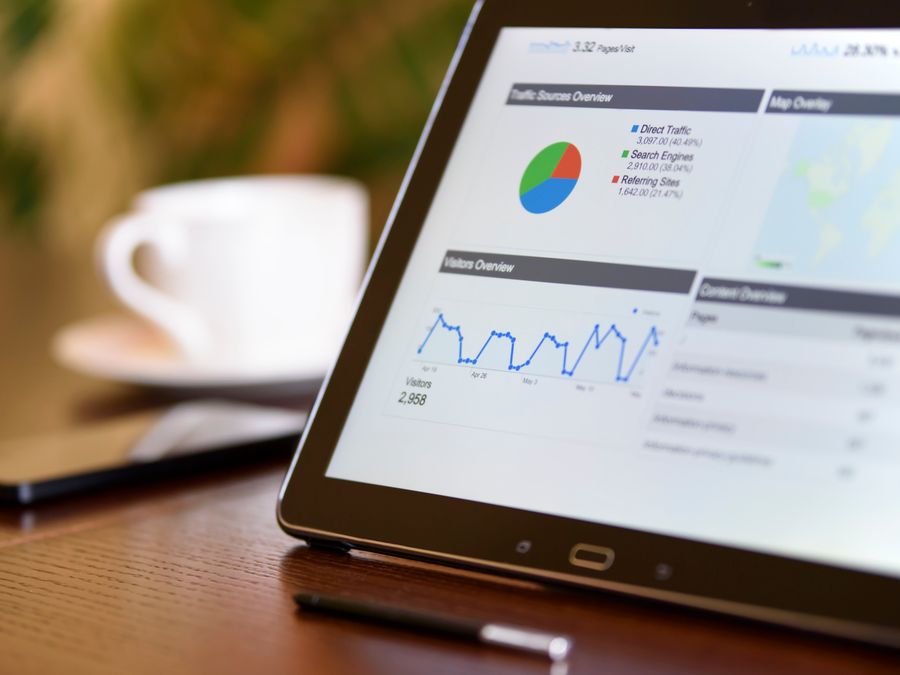
The insights dashboard is organized into several sections. You’ll find an overview that shows your account’s recent performance, including accounts reached, accounts engaged, and total followers. Below that, you can dive deeper into specific areas like content performance, audience demographics, and activity trends.
You can also access insights for individual posts, Stories, and Reels. Simply open any piece of content you’ve published and tap “View Insights” below it. This shows you detailed data about that specific piece of content, including reach, impressions, saves, shares, and more.
Keep in mind that Instagram insights only show data from after you switched to a professional account. You won’t be able to see historical data from when you had a personal account. Also, insights are only available in the mobile app, not on the desktop version of Instagram.
Key Metrics to Watch for Smarter Decisions

With so much data available, it can be overwhelming to know where to focus. Not all metrics are equally important, and the ones that matter most depend on your specific goals. However, there are several key metrics that almost every marketer should pay attention to.
Reach tells you how many unique accounts saw your content. This is different from impressions, which counts the total number of times your content was viewed, including multiple views from the same person. Reach gives you a clearer picture of how far your content is spreading and how many new people you’re connecting with.
Engagement is another crucial metric. This includes likes, comments, saves, and shares. High engagement signals that your content is resonating with your audience and encouraging them to interact. Saves and shares are particularly valuable because they indicate that people found your content useful enough to revisit or pass along to others.
Follower growth shows you how your audience is changing over time. Are you gaining followers steadily, or has growth stalled? Understanding your follower trends helps you evaluate whether your overall strategy is working. Pay attention to spikes in growth and try to identify what caused them so you can replicate that success.
Audience demographics reveal who your followers are, including their age ranges, gender distribution, and locations. This information helps you create content that speaks directly to your actual audience rather than who you assume they are. You might discover that your audience is different from what you expected, which could lead to valuable strategy adjustments.
Understanding these metrics helps overcome common marketing challenges. When you have a clear grasp of social media marketing insights, you can make informed decisions rather than relying on guesswork.
For a more complete picture of how Instagram drives results for your business, consider using Google Analytics alongside your Instagram insights. This allows you to track how much website traffic comes from Instagram and what those visitors do once they arrive on your site.
Using Insights to Improve Your Content Strategy

Once you understand your metrics, the next step is using that information to create better content. Your insights can tell you exactly what types of posts your audience loves and which ones fall flat. This knowledge is incredibly powerful for shaping your content strategy.
Start by looking at your top-performing content from the past few months. What do these posts have in common? Maybe they all feature a certain type of image, cover specific topics, or use a particular style of caption. Identifying these patterns helps you understand what makes your audience tick.
Pay attention to content format performance as well. Compare how your photos, carousels, Reels, and Stories perform against each other. You might find that Reels consistently reach more people, or that carousels generate more saves. Use this information to adjust your content mix and focus more energy on formats that deliver results.
Timing matters too. Your insights show you when your followers are most active on Instagram. Posting during these peak times increases the chances that your content will be seen and engaged with. Look at the days and hours when your audience is online and schedule your posts accordingly.
Developing consistent posting strategies becomes much easier when you have data to guide you. Instead of posting randomly, you can create a schedule based on when your audience is most likely to engage.
Your insights also reveal which topics and themes generate the most interest. If posts about a certain subject consistently perform well, consider creating more content around that theme. On the other hand, if certain topics always underperform, it might be time to retire them or try a different approach.
Tools like Later can help you implement your content strategy by scheduling posts in advance based on optimal timing. This ensures you’re consistently publishing when your audience is most active, even when you’re busy with other tasks.
Don’t forget to apply what you learn to your overall approach. Reviewing Instagram marketing tips alongside your insights helps you combine best practices with your own data for a strategy that’s both proven and personalized.
Tools That Help You Track Instagram Marketing Insights
While Instagram’s built-in insights are useful, third-party tools can provide deeper analytics and make reporting easier. These tools often offer features that Instagram doesn’t, like competitor analysis, historical data tracking, and more detailed reporting options.
Sprout Social is a comprehensive social media management platform that includes robust analytics features. It allows you to track your Instagram performance alongside other social platforms, making it easier to see the big picture of your social media marketing. The reporting features are particularly helpful for teams that need to share results with clients or stakeholders.
Hootsuite is another popular option for managing and analyzing social media performance. It offers scheduling, monitoring, and analytics all in one place. The analytics dashboard provides clear visualizations of your key metrics and allows you to track performance over time.
Many of these tools also offer features like hashtag tracking, which helps you understand which hashtags are driving the most reach and engagement. Some provide sentiment analysis, showing you how people feel about your brand based on comments and mentions.
When choosing a tool, consider what features matter most for your needs. If you’re primarily focused on scheduling and basic analytics, a simpler tool might be sufficient. If you need advanced reporting, competitor analysis, or team collaboration features, a more comprehensive platform might be worth the investment.
For those looking to accelerate their growth, exploring trusted Instagram growth services can complement your analytics efforts. These services can help you reach more people while you use insights to optimize your content strategy.
Remember that tools are only as valuable as how you use them. The best analytics platform in the world won’t help if you’re not regularly reviewing the data and making adjustments based on what you learn. Set aside time each week or month to review your analytics and plan your next steps.
Making Data-Driven Advertising Decisions
Instagram marketing insights aren’t just useful for organic content. They’re also incredibly valuable for making smarter advertising decisions. When you understand your audience and what content resonates with them, you can create more effective ads and spend your budget more wisely.
Your organic insights provide a testing ground for ad concepts. If a certain type of post performs exceptionally well organically, it’s likely to perform well as a paid ad too. Use your top-performing organic content as inspiration for your ad creative, or even promote those posts directly.
Audience insights help you refine your ad targeting. The demographic information in your insights shows you who your current followers are, which can inform your targeting decisions. If your insights show that most of your engaged followers are women aged 25-34 in urban areas, you might focus your ad targeting on similar audiences.
Understanding targeted advertising strategies becomes much easier when you have data about your existing audience. You can create lookalike audiences based on your best customers or target people with similar interests to your most engaged followers.
When deciding where to allocate your advertising budget, insights can help you make informed choices. If you’re considering comparing Instagram and Facebook ads, your Instagram insights can show you how engaged your audience is on the platform and whether it makes sense to invest more heavily there.
The value of data-driven decision making extends beyond social media marketing. Just as businesses use ai sales forecasting software to predict revenue and plan accordingly, marketers can use Instagram insights to forecast content performance and optimize their strategies.
Track your ad performance closely and compare it to your organic metrics. This helps you understand the true return on your advertising investment and identify opportunities to improve. If your ads are reaching lots of people but not generating engagement, you might need to adjust your creative or targeting.
Adapting Your Strategy Based on Insights
The social media landscape changes constantly, and what works today might not work tomorrow. That’s why it’s essential to stay flexible and adjust your Instagram strategy as your insights reveal new information. Treating your strategy as a living document rather than a fixed plan allows you to respond to changes quickly.
Review your insights regularly, ideally on a weekly or monthly basis. Look for trends over time rather than focusing too much on individual posts. A single post might underperform for random reasons, but if you notice a consistent pattern across multiple posts, that’s a signal worth paying attention to.
When you spot a decline in performance, don’t panic. Instead, dig into the data to understand what might be causing it. Has your posting frequency changed? Are you using different hashtags? Has Instagram made algorithm changes that might be affecting reach? Understanding the cause helps you find the right solution.
Similarly, when something works well, try to understand why so you can replicate that success. Was it the topic, the format, the timing, or something else entirely? The more you understand about what drives your results, the more consistently you can achieve them.
Learning about adapting your Instagram strategy to changing conditions is crucial for long-term success. The accounts that thrive are the ones that evolve with the platform and their audience rather than sticking rigidly to outdated approaches.
Don’t be afraid to experiment. Your insights give you a baseline to measure against, so you can try new things and quickly see whether they’re working. Test different content types, posting times, caption styles, and hashtag strategies. Let the data guide you toward what works best for your unique audience.
Keep an eye on broader trends in your industry and on Instagram as a whole. If you notice that video content is becoming more popular across the platform, it might be worth investing more in Reels even if your current video performance is modest. Sometimes you need to adapt proactively rather than reactively.
Common Mistakes When Using Instagram Insights
Even with access to great data, it’s easy to make mistakes when interpreting and acting on your insights. Being aware of these common pitfalls can help you avoid them and make better decisions.
One frequent mistake is focusing too much on vanity metrics like follower count or likes. While these numbers feel good, they don’t always translate to real business results. A smaller, highly engaged audience is often more valuable than a large, passive one. Focus on metrics that align with your actual goals, whether that’s website traffic, sales, or brand awareness.
Another common error is making decisions based on too little data. If you post something new and it doesn’t perform well immediately, that doesn’t necessarily mean it was a bad idea. Give your experiments time to generate meaningful data before drawing conclusions. A few posts aren’t enough to establish a reliable pattern.
Comparing yourself too closely to others can also lead you astray. Every account has a different audience, history, and context. What works for a competitor might not work for you, and vice versa. Use your own historical data as your primary benchmark rather than obsessing over what others are doing.
Ignoring context is another pitfall. A post might underperform because you published it on a holiday when people were busy, not because the content was bad. Always consider external factors that might be influencing your results before making major strategy changes.
Some marketers make the mistake of checking their insights obsessively, which can lead to anxiety and overreaction to normal fluctuations. Set a regular schedule for reviewing your data and stick to it. Daily fluctuations are normal and don’t usually require immediate action.
Finally, don’t let data paralyze you. Analysis is valuable, but at some point, you need to make decisions and take action. Use your insights to inform your choices, but don’t wait for perfect data before moving forward. The best marketers balance data-driven decision making with creative intuition and a willingness to take calculated risks.
By understanding these common mistakes and actively working to avoid them, you can get much more value from your Instagram marketing insights. The goal is to use data as a helpful guide, not as a source of stress or confusion. With practice, interpreting your insights and acting on them will become second nature, helping you make smarter decisions that drive real results for your Instagram presence.
