


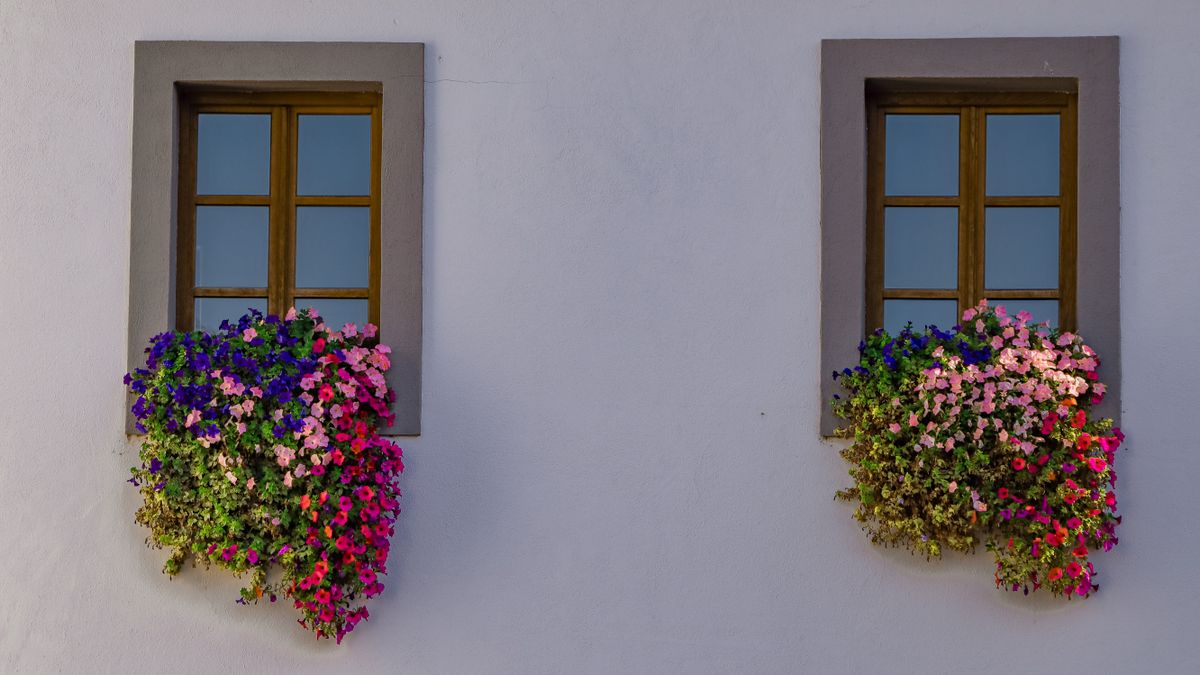
If you spend time scrolling through Instagram, you’ve probably noticed that some feeds just look better than others. They have a certain charm, a cohesive feel that makes you want to keep looking. One secret weapon that many content creators use to achieve this look is surprisingly simple: window boxes.
Window boxes for Instagram aesthetic purposes are becoming increasingly popular among photographers, lifestyle bloggers, and anyone who wants to create beautiful visual content. These charming planters filled with flowers and greenery offer the perfect combination of natural beauty, texture, and color that photographs exceptionally well. Whether you’re shooting flat lays, portraits, or architectural details, window boxes can transform an ordinary photo into something special.
In this guide, we’ll walk you through everything you need to know about using window boxes to enhance your Instagram presence. From choosing the right style to photographing and editing your images, you’ll learn practical tips that can help you create a stunning, cohesive feed that stands out.
Why Window Boxes Work So Well for Instagram Photos
There’s something magical about window boxes that makes them perfect for Instagram content. First, they bring together multiple visual elements that naturally catch the eye. You get the organic shapes of plants and flowers, interesting textures from the box material, and often a beautiful architectural backdrop like a window frame or brick wall.
Window boxes also add depth to your photos. Instead of a flat background, you have layers of visual interest. The flowers in front, the box itself, the window behind, and perhaps a glimpse of what’s inside or the sky reflecting in the glass. This layering creates photos that feel more dynamic and engaging.
Color is another reason window boxes photograph so well. Flowers come in every shade imaginable, from soft pastels to bold, vibrant hues. You can choose plants that complement your existing feed colors or use them to introduce new tones that refresh your aesthetic. Even a simple green arrangement adds life and freshness to any shot.
For creators focused on visual branding, window boxes offer a consistent element that can tie your content together. When your followers see that familiar window box in your photos, they immediately recognize your style. This kind of visual consistency helps build a stronger connection with your audience.
Window boxes also work beautifully with different aesthetic styles. If you prefer a moody, dramatic look, you might pair dark flowers with weathered wood. For those who love a black and white Instagram aesthetic, window boxes with interesting textures and shapes create striking monochrome images. The versatility is truly remarkable.
Choosing the Right Window Box for Your Aesthetic
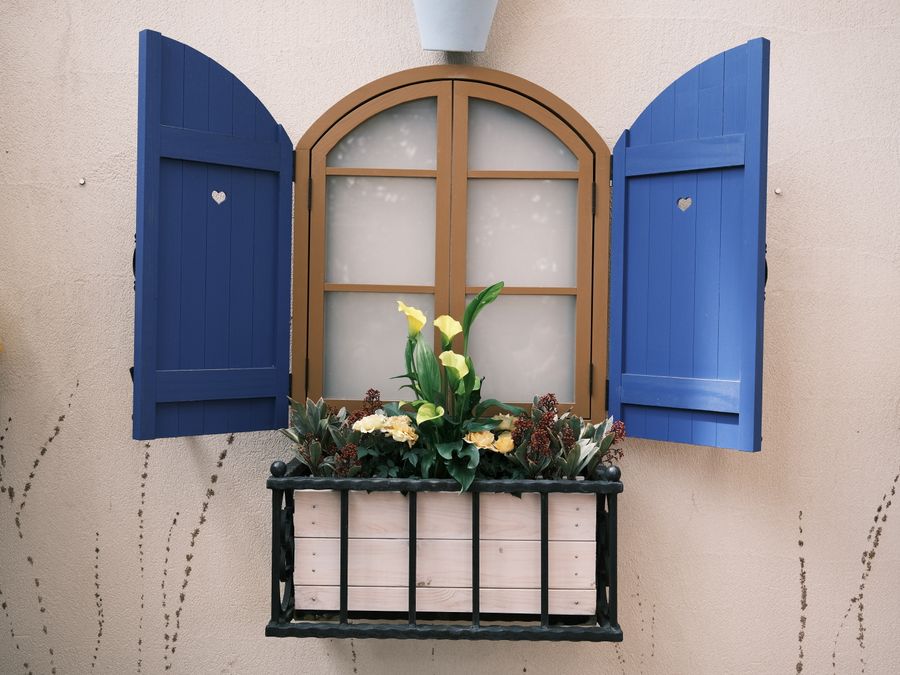
Selecting the perfect window box is about more than just finding something that holds plants. The style, material, and size of your window box should align with the overall look you want to create on your feed.
Materials Matter
The material of your window box sets the tone for your photos. Wood offers a warm, rustic feel that works wonderfully for cottage-core, farmhouse, or natural aesthetics. A classic cedar window box brings that timeless, organic look that photographs beautifully in almost any setting.
Metal window boxes, whether wrought iron or sleek aluminum, create a more polished or industrial vibe. They’re perfect for urban settings or modern aesthetics. Terracotta and ceramic options add Mediterranean charm and come in various colors and patterns that can complement your feed’s color palette.
For those who love the Instagram baddies aesthetic, consider window boxes with clean lines and bold colors, or go for dramatic black planters that make colorful flowers pop.
Size and Proportion
Think about how the window box will appear in your photos. A larger box gives you more space for varied plantings and creates a more substantial visual impact. Smaller boxes work well for close-up shots or when you want the window box to be one element among many.
Consider the proportions relative to your window or the space where you’ll photograph. A window box that’s too small can look lost, while one that’s too large might overwhelm the frame.
Style Considerations
Traditional window boxes with decorative scrollwork suit classic, elegant feeds. Simple, rectangular boxes work better for minimalist aesthetics. Boxes with unique shapes or vintage details can become statement pieces in your photos.
Don’t be afraid to get creative. Some content creators use repurposed items like old wooden crates or vintage containers as window boxes. These unique choices can help your content stand out and tell a story.
Best Plants and Flowers for Instagram-Worthy Window Boxes
The plants you choose can make or break your window box photos. Some flowers and greenery simply photograph better than others, and understanding what works can help you create stunning content.
Flowers That Pop on Camera
Petunias are a favorite among Instagram creators because they come in almost every color and bloom profusely. Their trumpet-shaped flowers create beautiful cascading effects that spill over the edge of window boxes.
Geraniums offer bold, round flower clusters that photograph beautifully. They’re available in reds, pinks, whites, and coral shades that add warmth to any image. Pansies and violas have charming “faces” that add personality to close-up shots.
For a romantic, cottage-garden feel, consider sweet alyssum, lobelia, or trailing verbena. These delicate flowers create soft, dreamy textures that work wonderfully for feminine aesthetics.
Greenery for Texture and Depth
Don’t underestimate the power of foliage. Trailing ivy, sweet potato vine, and creeping jenny add movement and depth to window box arrangements. Their cascading growth creates visual interest and softens the edges of your photos.
Herbs like rosemary, lavender, and sage offer interesting textures and have the added benefit of being useful in the kitchen. They photograph beautifully and can help you build a photography community around lifestyle and gardening content.
Color Coordination
Think about your feed’s color palette when selecting plants. If your aesthetic leans toward soft, muted tones, choose flowers in blush pinks, lavenders, and creamy whites. For a bold, vibrant feed, go for bright oranges, hot pinks, and deep purples.
Monochromatic plantings, where all flowers are shades of the same color, create a sophisticated, cohesive look. Mixed plantings with complementary colors add energy and visual excitement.
Seasonal Window Box Ideas for Year-Round Content
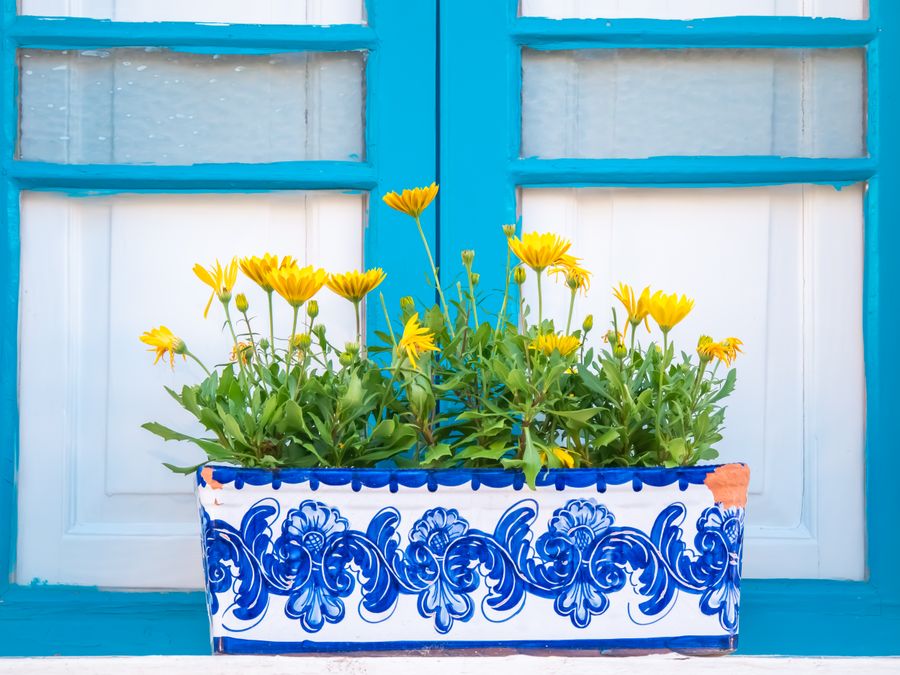
One of the best things about window boxes is that they give you a reason to create fresh content throughout the year. Planning your seasonal content around window box changes keeps your feed interesting and gives followers something to look forward to.
Spring Arrangements
Spring is the perfect time for pastel colors and fresh beginnings. Fill your window boxes with tulips, daffodils, hyacinths, and pansies. These early bloomers signal the end of winter and bring cheerful energy to your photos.
Consider adding pussy willows or flowering branches for height and drama. Soft greens from emerging foliage create a fresh, hopeful mood that resonates with audiences ready for warmer weather.
Summer Abundance
Summer window boxes can be lush and overflowing. This is the time for bold colors and dramatic combinations. Mix trailing petunias with upright geraniums, add some ornamental grasses for movement, and let everything grow wild and full.
Tropical-looking plants like coleus, caladiums, and elephant ears create exotic vibes. For a classic summer look, red, white, and blue combinations work beautifully for holiday content.
Fall Warmth
As temperatures cool, transition your window boxes to autumn colors. Chrysanthemums, ornamental kale, and pansies in burgundy, orange, and gold tones capture the season perfectly.
Add decorative elements like small pumpkins, gourds, or dried corn for extra seasonal charm. These additions create opportunities for themed content around harvest time and Halloween.
Winter Magic
Don’t let your window boxes go empty in winter. Evergreen branches, holly with red berries, and ornamental cabbage can survive cold temperatures and look beautiful in photos.
Add pinecones, birch branches, or fairy lights for holiday content. Even a simple arrangement of evergreen boughs creates a cozy, festive atmosphere that performs well during the holiday season.
How to Photograph Window Boxes for Maximum Impact

Having a beautiful window box is only half the equation. Knowing how to photograph it properly will help you create the perfect Instagram post every time.
Lighting Is Everything
Natural light is your best friend when photographing window boxes. The golden hours, shortly after sunrise and before sunset, provide warm, soft light that makes flowers glow. Midday sun can be harsh and create unflattering shadows, so try to avoid shooting during this time.
Overcast days actually work wonderfully for flower photography. The clouds act as a giant diffuser, creating even, soft light that brings out colors without harsh shadows. This lighting is particularly flattering for close-up shots of individual blooms.
If your window box faces a direction that doesn’t get ideal light, consider using a reflector to bounce light into shadowy areas. Even a piece of white poster board can make a significant difference.
Finding the Best Angles
Experiment with different perspectives to find what works best for your window box. Shooting straight on captures the full arrangement and works well when the window or building behind adds to the composition.
Low angles, shooting upward toward the window box, can create a dramatic effect and make the arrangement look more impressive. High angles, looking down at the flowers, work well for flat-lay style shots or when you want to capture the pattern of the plantings.
Don’t forget to try shooting from the side. This angle shows the depth of the arrangement and captures trailing plants beautifully.
Composition Tips
Use the rule of thirds to create balanced, interesting compositions. Place the window box off-center for a more dynamic image. Include some of the surrounding environment to give context and tell a story.
Look for leading lines, like window frames or architectural details, that draw the eye toward your window box. Negative space, areas of the image without detail, can help your window box stand out.
For a creative twist, try the Huji photo app to add vintage film effects to your window box photos. This can give your images a nostalgic, artistic quality that stands out in feeds.
Editing Your Window Box Photos Like a Pro
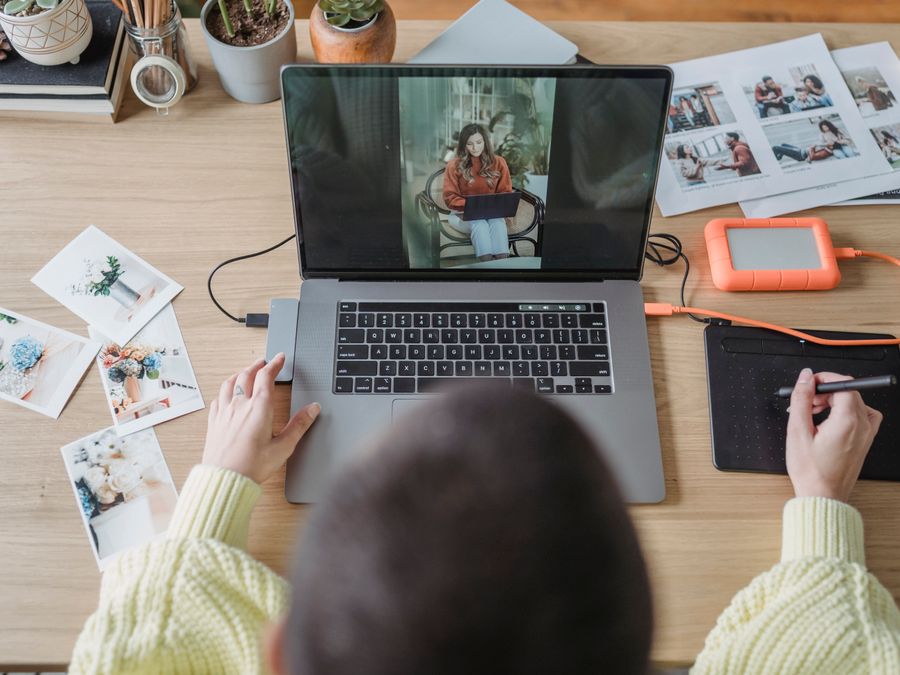
Even the best photos can benefit from thoughtful editing. The goal is to enhance your window box images while maintaining a natural look that fits your overall aesthetic.
Basic Adjustments
Start with exposure and brightness. Window box photos sometimes need a slight boost to make colors pop. Be careful not to overexpose, as this can wash out delicate flower details.
Adjust the contrast to add depth to your images. A slight increase in contrast makes colors more vibrant and helps separate the flowers from the background. Shadows and highlights adjustments can recover detail in dark or bright areas.
White balance is crucial for accurate flower colors. If your photo looks too warm or too cool, adjust the temperature until the colors look natural. Green foliage is a good reference point since it should look true to life.
Color Enhancement
Saturation and vibrance adjustments can make your flowers really pop. Vibrance is often the better choice because it boosts muted colors without oversaturating already-bright tones. Use these adjustments sparingly to avoid an artificial look.
Many editing apps allow you to adjust individual colors. This is helpful when you want to enhance the pink of your petunias without affecting the green leaves. While Instagram face filters serve different purposes, photo editing apps specifically designed for image enhancement can transform your window box shots.
Recommended Editing Tools
For professional-level editing, Adobe Lightroom offers powerful color correction and enhancement features. It’s particularly good for creating and saving presets that you can apply to multiple photos for a consistent look.
If you want to add text overlays, create graphics, or design posts featuring your window box photos, Canva is an excellent user-friendly option. It’s perfect for creating quote posts, announcements, or branded content using your window box images as backgrounds.
Mobile apps like VSCO, Snapseed, and the native Instagram editor also offer solid editing capabilities for quick adjustments on the go.
Creative Ways to Feature Window Boxes in Your Content
Window boxes are versatile props that can be incorporated into your content in many different ways. Thinking beyond simple flower photos opens up creative possibilities.
As Backdrops for Other Content
Use your window box as a beautiful backdrop for product photography, food shots, or portraits. The natural colors and textures add interest without overwhelming the main subject. A coffee cup photographed in front of a blooming window box tells a more compelling story than the same cup on a plain surface.
For fashion and lifestyle content, window boxes create charming settings for outfit photos or casual portraits. The flowers frame the subject and add a touch of romance to the image.
Stories and Reels Content
Window boxes are perfect for video content. Film yourself watering your plants, arranging new flowers, or simply enjoying your morning coffee by the window. These everyday moments feel authentic and relatable.
Time-lapse videos showing flowers blooming or plants growing over days or weeks can be fascinating content that performs well. Behind-the-scenes clips of you styling or photographing your window box give followers a peek into your creative process.
Building Your Brand Identity
When you choose the best Instagram username, you’re starting to build your brand identity. Your window box aesthetic should align with this identity. If your username and bio suggest a cozy, cottage-style vibe, your window box content should reflect that.
Consider making your window box a recurring character in your content. Followers will start to recognize it and look forward to seeing how it changes with the seasons or how you style it for different occasions.
Building Your Brand Around a Window Box Aesthetic
Using window boxes for Instagram aesthetic purposes can become a cornerstone of your visual identity. When done consistently, this approach helps you stand out and creates a recognizable style that followers associate with your account.
Consistency Is Key
The most successful Instagram aesthetics are consistent. This doesn’t mean every photo needs to look identical, but there should be common threads that tie your content together. Your window box can be one of these threads.
Develop a signature style for your window box content. Maybe you always shoot at the same time of day, use a particular editing preset, or favor certain color combinations. These consistent choices help build recognition.
Extending Beyond Instagram
If you’re serious about building a brand, consider how your window box aesthetic can extend to other platforms. Creators who build a website that leverages Instagram can use their window box imagery across their entire online presence.
Your window box photos can become part of your email headers, blog post images, or even printed materials. This cross-platform consistency strengthens your brand and makes your content instantly recognizable wherever people encounter it.
Engaging Your Community
Share your window box journey with your followers. Post about what you’re planting, ask for suggestions on color combinations, or share tips you’ve learned along the way. This kind of content invites engagement and helps build a community around your aesthetic.
Consider creating a hashtag for your window box content or encouraging followers to share their own window box photos. User-generated content builds community and provides social proof that your aesthetic resonates with others.
Window boxes for Instagram aesthetic purposes offer endless creative possibilities. They’re affordable, accessible, and endlessly customizable. Whether you’re just starting to build your Instagram presence or looking for ways to refresh an established feed, window boxes can help you create the beautiful, cohesive content that captures attention and keeps followers coming back for more.
Start small if you need to. Even a simple window box with a few well-chosen plants can make a significant difference in your photos. As you gain confidence and experience, you can experiment with more elaborate arrangements and creative approaches. The most important thing is to have fun with it and let your personal style shine through.
