



Expanding your business into the United States can feel like a big leap, but it is also one of the most rewarding moves you can make. The US market offers access to millions of potential customers who are active online and ready to discover new brands. However, reaching these customers requires more than just translating your website or shipping products across borders.
Social media advertising for US expansion has become one of the most effective ways to introduce your brand to American audiences. With the right approach, you can connect with people who are genuinely interested in what you offer, build trust, and turn followers into loyal customers. This guide walks you through everything you need to know about using social media marketing and targeted advertising to grow your business in the United States.
Why the US Market Matters for Global Expansion
The United States remains one of the largest consumer markets in the world. American shoppers are comfortable buying online, and they actively use social media to discover new products and services. For businesses looking to grow internationally, the US offers a combination of purchasing power, digital infrastructure, and cultural influence that is hard to match.
One of the biggest advantages of targeting the US market is the sheer size of the opportunity. eCommerce businesses in particular benefit from the fact that American consumers are accustomed to shopping online and expect seamless digital experiences. If your business already sells products or services online, you have a natural pathway into this market.
Social media plays a central role in how Americans discover and evaluate brands. People scroll through their feeds daily, looking for inspiration, entertainment, and solutions to their problems. When your brand shows up in the right place at the right time, you have a real chance to make a lasting impression. Before entering this market, it helps to develop a clear social media strategy for brands that outlines your goals, target audience, and messaging approach.
The US market also serves as a testing ground for global expansion. If your brand can succeed in America, you gain valuable insights and credibility that can help you expand into other English-speaking markets and beyond. The lessons you learn about messaging, targeting, and customer preferences will serve you well wherever you go next.
Understanding Social Media Marketing for US Audiences
Social media marketing involves using platforms like Instagram, Facebook, TikTok, LinkedIn, and others to connect with your audience. Unlike traditional advertising, social media allows for two-way communication. You can share content, respond to comments, answer questions, and build genuine relationships with potential customers.
For US audiences, authenticity matters. American consumers are savvy and can quickly spot brands that feel fake or overly promotional. Your content should feel natural and provide real value, whether that means entertaining, educating, or inspiring your audience. The brands that succeed on social media are the ones that understand their audience and speak to them like real people.
When you are new to the US market, it can be helpful to work with professionals who understand the landscape. Partnering with an SMM agency can give you access to expertise and local knowledge that speeds up your learning curve. These specialists can help you navigate cultural nuances, platform algorithms, and advertising best practices.
Understanding the different platforms is also essential. Each social network has its own culture and user expectations. Instagram tends to favor visually appealing content, while LinkedIn works better for professional and business-focused messaging. TikTok rewards creativity and authenticity, and Facebook offers robust targeting options for paid advertising. Choosing the right platforms for your brand depends on where your target audience spends their time. For more guidance on effective approaches, explore these social media marketing tips that can help you refine your strategy.
Choosing the Right Content Formats for Your Ads

The type of content you create for your social media ads can make or break your campaigns. Different content formats work better for different goals, and understanding your options helps you make smarter decisions about where to invest your time and budget.
Video content continues to dominate social media. Short-form videos, in particular, capture attention quickly and allow you to tell a story in just a few seconds. Platforms like Instagram Reels and TikTok have made video more accessible than ever, and users expect to see dynamic, engaging content in their feeds. Using product reels for marketing can showcase your offerings in action and help potential customers visualize how your products fit into their lives.
Static images still have their place, especially for brands with strong visual identities. High-quality photos that highlight your products, lifestyle imagery that resonates with your audience, and graphics that communicate key messages can all perform well. The key is to make sure your images stand out in a crowded feed and communicate your value proposition at a glance.
Carousel ads allow you to share multiple images or videos in a single ad unit. This format works well when you want to showcase a product line, tell a longer story, or guide viewers through a step-by-step process. Users can swipe through the carousel, which increases engagement and gives you more space to communicate your message.
Creating video content used to require expensive equipment and professional skills, but that is changing. Tools that simplify production make it easier for businesses of all sizes to create polished content. Learning about AI video creation for social media can help you produce high-quality videos without a massive budget or technical expertise.
When choosing content formats, think about your goals. If you want to build brand awareness, video and visually striking images tend to perform well. If you want to drive conversions, consider formats that allow you to highlight product features and include clear calls to action.
Building a Targeted Ad Strategy for the US
One of the biggest advantages of social media advertising is the ability to target specific audiences. Instead of showing your ads to everyone, you can focus on the people most likely to be interested in your products or services. This makes your advertising budget work harder and increases your chances of success.
Start by defining your ideal customer. Think about demographics like age, gender, location, and income level. Consider their interests, hobbies, and the problems they are trying to solve. The more clearly you can picture your target audience, the easier it becomes to create ads that speak directly to them.
Most social media platforms offer detailed targeting options. You can target users based on their location, interests, behaviors, and even their past interactions with your brand. For US expansion, geographic targeting is especially important. You might start by focusing on specific states or cities where your products are most likely to resonate, then expand as you learn what works.
Lookalike audiences are another powerful tool. These allow you to reach new people who share characteristics with your existing customers. If you have a list of customers from other markets, you can upload that data and let the platform find similar users in the US. This approach helps you find high-quality prospects without starting from scratch.
Your ad visuals play a crucial role in capturing attention. A strong visual sales pitch on social media combines compelling imagery with clear messaging that encourages viewers to take action. Think about what makes your brand unique and how you can communicate that visually in a way that resonates with American audiences.
Retargeting is another strategy worth considering. This involves showing ads to people who have already interacted with your brand, such as visiting your website or engaging with your social media content. Retargeting keeps your brand top of mind and encourages people to come back and complete a purchase.
Writing Captions and Copy That Connect
The words you use in your ads matter just as much as the visuals. Great copy grabs attention, communicates your value, and motivates people to take action. For US audiences, your messaging should feel natural, relatable, and free of jargon.
Start with a strong hook. The first few words of your caption determine whether someone keeps reading or scrolls past. Ask a question, make a bold statement, or address a common pain point to draw readers in. Once you have their attention, deliver on the promise of your hook by providing useful information or a compelling reason to learn more.
Keep your language simple and direct. Avoid overly formal or corporate-sounding language, which can feel distant and impersonal. Write as if you are talking to a friend who is curious about your product. This conversational tone builds trust and makes your brand more approachable.
The way you write also influences brand perception. Consistent messaging that reflects your brand values helps audiences understand who you are and what you stand for. Over time, this consistency builds recognition and loyalty.
Calls to action are essential. Tell your audience exactly what you want them to do next, whether that is visiting your website, signing up for a newsletter, or making a purchase. Be specific and make the next step easy to follow. For more ideas on crafting engaging text, check out this guide on writing captivating captions that resonate with your audience.
Testing and Optimizing Your Campaigns
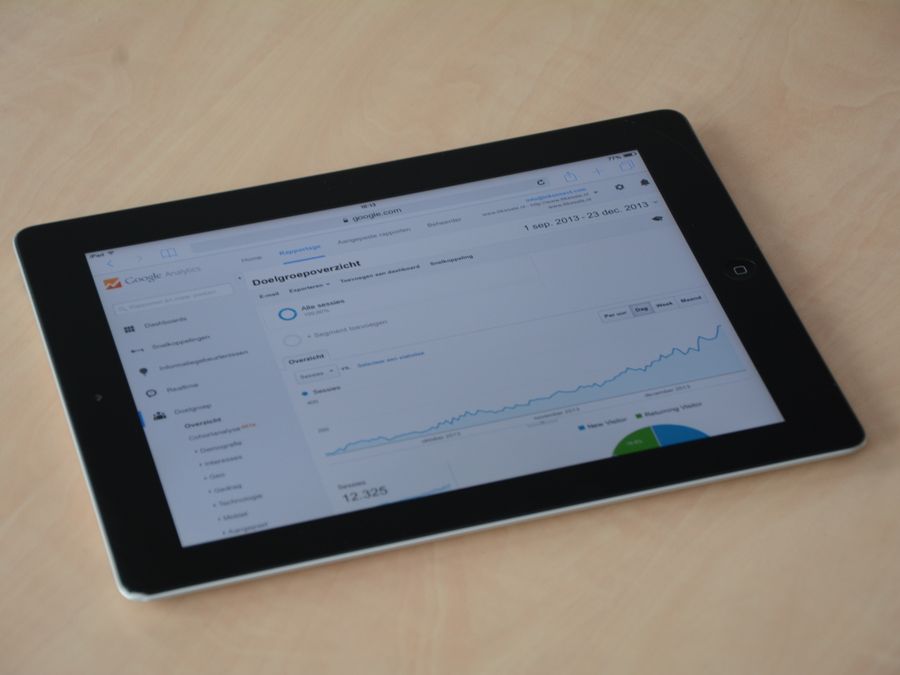
Launching your first campaign is just the beginning. The real magic happens when you start testing different approaches and optimizing based on what you learn. Even small changes can lead to significant improvements in performance over time.
A/B testing is one of the most effective ways to improve your ads. This involves creating two versions of an ad with one variable changed, such as the headline, image, or call to action. You then run both versions simultaneously and compare the results. Over time, you learn what resonates with your audience and can apply those insights to future campaigns.
Pay attention to the metrics that matter most for your goals. If you want to build awareness, focus on reach and impressions. If you want to drive sales, track conversions and return on ad spend. Understanding which metrics align with your objectives helps you make smarter decisions about where to invest your budget.
Do not be afraid to pause or adjust campaigns that are not performing well. Social media advertising is not a set-it-and-forget-it activity. Regular monitoring and optimization are essential for getting the best results. Look for patterns in your data and use those insights to refine your targeting, creative, and messaging.
Testing also applies to your audience targeting. Try different audience segments to see which groups respond best to your ads. You might discover that certain demographics or interest groups are more valuable than you initially expected. Use this information to focus your efforts where they will have the greatest impact.
Connecting Your Website and Social Media Presence
Your social media advertising efforts should not exist in isolation. For the best results, your website and social media channels need to work together as a unified digital presence. When someone clicks on your ad, they should land on a website that feels consistent with the messaging and visuals they just saw.
Make sure your website is optimized for US visitors. This includes fast loading times, mobile-friendly design, and clear navigation. If you are selling products, ensure that your checkout process is smooth and that you offer payment options familiar to American consumers.
Social proof is powerful. Display customer reviews, testimonials, and user-generated content on your website to build trust with new visitors. When people see that others have had positive experiences with your brand, they are more likely to make a purchase themselves.
Understanding the benefits of integrating website and social media can help you create a seamless experience for your audience. When your digital channels are connected, you can track the customer journey more effectively and deliver consistent messaging at every touchpoint.
Consider adding social media feeds or sharing buttons to your website. This encourages visitors to follow your accounts and engage with your content beyond their initial visit. The more touchpoints you have with potential customers, the more opportunities you have to build relationships and drive conversions.
Building the Right Team for US Market Success

Successful social media advertising for US expansion requires the right people. Whether you build an in-house team or work with external partners, having skilled professionals managing your campaigns makes a significant difference.
A strong social media team typically includes content creators, copywriters, data analysts, and campaign managers. Each role brings unique skills that contribute to the overall success of your efforts. Content creators develop the visuals and videos that capture attention. Copywriters craft the messaging that connects with your audience. Data analysts interpret performance metrics and identify opportunities for improvement. Campaign managers oversee the day-to-day execution and ensure everything runs smoothly.
If you are hiring for these roles, look for candidates with experience in the US market or a willingness to learn. Understanding the key social media manager skills employers value can help you identify the right talent for your team. Skills like creativity, analytical thinking, communication, and adaptability are all important for success in this field.
For smaller businesses, outsourcing some or all of your social media advertising can be a cost-effective option. Agencies and freelancers can provide expertise without the overhead of full-time employees. Just make sure you choose partners who understand your brand and can represent it authentically to US audiences.
Common Mistakes to Avoid When Expanding to the US
Expanding into a new market comes with challenges, and social media advertising is no exception. Being aware of common mistakes can help you avoid costly errors and set your campaigns up for success.
One frequent mistake is assuming that what works in your home market will work in the US. Cultural differences, consumer expectations, and platform preferences can vary significantly. Take the time to research your new audience and adapt your approach accordingly.
Another mistake is spreading your budget too thin across too many platforms. It is better to focus on one or two channels where your target audience is most active and do those well. Once you have established a presence and learned what works, you can expand to additional platforms.
Ignoring data is a recipe for wasted spending. If you are not tracking your results and making adjustments based on what you learn, you are missing opportunities to improve. Set up proper tracking from the start and review your metrics regularly.
Inconsistent branding can confuse potential customers and weaken your message. Make sure your visuals, tone, and messaging are consistent across all your social media channels and your website. This consistency builds recognition and trust over time.
Finally, do not underestimate the importance of customer service. American consumers expect quick responses and helpful support. If someone reaches out with a question or complaint on social media, respond promptly and professionally. Positive interactions can turn skeptics into advocates, while negative experiences can spread quickly online.
Social media advertising for US expansion is a powerful tool for businesses ready to grow internationally. By understanding the market, creating compelling content, targeting the right audiences, and continuously optimizing your campaigns, you can build a strong presence in the United States and set the stage for long-term success. The journey takes effort and patience, but the rewards are well worth it.
